
HIFU: What 45 Trials Say About the 'Non-Surgical Facelift'
A 2025 systematic review of 45 clinical trials found HIFU skin tightening improved laxity by 18 to 30 percent. Here is what the evidence says about mechanism, results, risks, and what to check in Australia.
- HIFU
- skin tightening
- non-surgical facelift
- collagen stimulation
- aesthetic procedures

HIFU: What 45 Trials Say About the "Non-Surgical Facelift"
If you have been researching non-surgical skin tightening, you have almost certainly come across HIFU. Clinics market it as a "non-surgical facelift," and the consumer interest is enormous. A 2025 systematic review in the Aesthetic Surgery Journal, covering 45 clinical trials, found HIFU improved skin laxity by 18 to 30 percent. That is real, and it is backed by solid data. It is also not a facelift, and any clinic suggesting otherwise is selling marketing, not medicine.
Focused Sound Waves, at Three Specific Depths
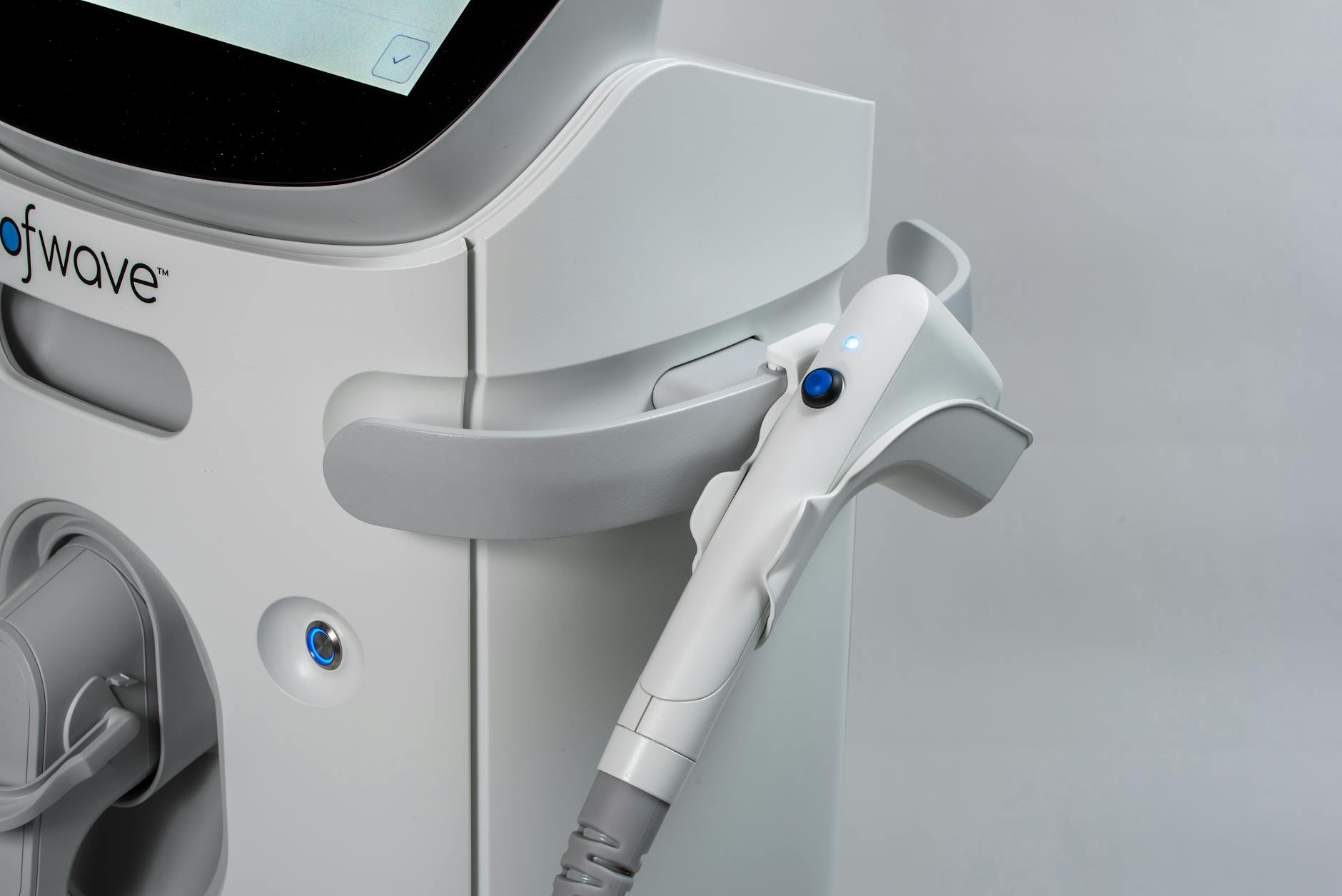
Focused Ultrasound and the SMAS Layer
HIFU stands for High-Intensity Focused Ultrasound. The concept is surprisingly intuitive: imagine using a magnifying glass to focus sunlight onto a single point. The glass itself stays cool, but the focal point gets intensely hot. HIFU works on the same principle, except it uses ultrasound waves instead of light.
The device delivers focused ultrasound energy to precise depths beneath the skin: 1.5 mm, 3.0 mm, and 4.5 mm. At each focal point, temperatures reach 60 to 70 degrees Celsius, creating tiny zones of controlled thermal injury called micro-thermal coagulation zones. The skin surface (the epidermis) remains undamaged because the energy passes through it without concentrating there.
The deepest setting, at 4.5 mm, is what makes HIFU unique among non-surgical treatments. It reaches the SMAS (superficial musculoaponeurotic system), the same connective tissue layer that plastic surgeons physically manipulate during a surgical facelift. Accessing this layer without cutting the skin is HIFU's primary differentiator.
From Thermal Injury to Collagen Remodelling
The controlled thermal damage triggers the body's natural wound-healing response. In the short term, existing collagen fibres contract at the injury sites, producing a minor initial tightening effect that some patients notice immediately after treatment.
The more significant changes happen over the following two to six months. The body synthesises new collagen and elastin to repair the micro-injuries, gradually strengthening and tightening the treated tissue. This is why HIFU results are not instant. The biology dictates the timeline, and no amount of marketing language can speed up collagen remodelling.
It is worth noting that "ultrasound skin lifting" works through this collagen remodelling cascade. The ultrasound does not physically move or reposition tissue the way surgery does. It stimulates the body to rebuild its own structural proteins more densely.
How HIFU Differs from Radiofrequency and Laser Treatments
Patients often ask how HIFU compares to radiofrequency (RF) and laser skin tightening, so let's clarify the differences. Each technology uses a different form of energy: HIFU uses ultrasound (mechanical sound waves), RF uses electromagnetic energy, and lasers use focused light energy. Each reaches different tissue depths and heats tissue through different mechanisms.
HIFU penetrates the deepest, reaching up to 4.5 mm to target the SMAS layer. Radiofrequency typically reaches up to 4 mm, heating the dermis but generally not the SMAS. Most lasers work on the epidermis and upper dermis, making them better suited for surface-level concerns like pigmentation and texture.
A 2025 prospective clinical trial found that ultrasound showed superior efficacy over radiofrequency in the mid-face and lower face at the one-month follow-up. This aligns with the depth advantage: the SMAS sits in the mid and lower face regions where HIFU's deeper reach matters most.
One practical advantage of HIFU deserves special mention: because it uses sound waves rather than targeting pigment, it is generally considered safe across all Fitzpatrick skin types (I through VI). Certain laser treatments carry higher risks of hyperpigmentation for darker skin tones, so HIFU's skin-type versatility matters, particularly in Australia's diverse population.
What 45 Trials Actually Found
The Numbers, Honestly
This is where clinic marketing and clinical reality tend to diverge.
The 2025 systematic review by Haykal and Sattler, published in the Aesthetic Surgery Journal, analysed 45 clinical trials and found improvements of 18 to 30 percent in skin laxity. The strongest results appeared in the lower face, neck, and periorbital (around the eyes) regions. Those numbers are statistically significant, but they represent mild to moderate improvement, not a dramatic transformation.
Research by Fabi and colleagues, published in 2020, found that over 90 percent of patients showed some degree of improvement on validated assessment scales (IGAIS and SGAIS). "Moderate improvement" increased from 36 percent at three months to 52 percent at six months, reflecting the gradual collagen remodelling process. The fact that results improve over time is good news, but it also means you need patience.
A multi-site study reported by the American Board of Cosmetic Surgery found evaluating physicians reported 80 percent improvement rates in facial and neck skin, with 78 percent patient satisfaction. These are encouraging figures, but it is important to frame them correctly: "improvement" here means visible tightening and lifting, not the kind of result you would see from a surgical facelift.
The honest summary: HIFU produces real, measurable, evidence-backed improvements. It tightens and lifts mildly to moderately. It does not replicate surgical results, and any practitioner who suggests otherwise is not being transparent.
How Long Do HIFU Results Last?
HIFU results follow a predictable timeline tied to collagen biology. Most patients begin noticing visible changes at two to three months after treatment. Results typically peak around six months, when the new collagen has fully matured and remodelled. From there, improvements generally last 12 to 18 months before the natural ageing process gradually resumes.
Maintenance sessions are recommended every 12 to 24 months to sustain the effects, depending on individual ageing patterns and goals.
For Australian consumers, the cost context matters. Sessions typically range from AUD 800 to AUD 3,000, depending on the treatment area and device used. Ongoing maintenance averages AUD 1,000 to AUD 2,500 per year. These are not insignificant sums, so understanding realistic expectations before your first session helps you make a genuinely informed decision about whether the investment aligns with your goals.
Who Is a Good Candidate for HIFU?

Ideal Candidates
HIFU works best for people with mild to moderate skin laxity: early jowling, a softening jawline, mild neck laxity, or slight brow descent. These are the changes that respond well to the degree of tightening that HIFU can deliver.
Age is less important than skin quality. Most candidates fall between 30 and 65, but the real determining factor is having enough skin thickness for the ultrasound energy to be delivered effectively to the target tissue layers. Your practitioner should assess this during consultation.
As mentioned earlier, HIFU is safe across all Fitzpatrick skin types (I through VI), giving it an advantage over certain laser-based alternatives that carry higher risks for darker skin tones. This makes it an accessible option for a broad range of patients.
The best candidates are people looking for gradual, subtle improvement rather than dramatic transformation. If you want to maintain a natural look while addressing early signs of laxity, HIFU aligns well with that goal. If you want results that other people will notice immediately, this is likely not the right treatment for you.
Who Should Consider Other Options
Honesty about limitations is just as important as understanding benefits.
If you have significant skin sagging, multiple clinicians and the research literature agree that HIFU is unlikely to produce adequate results. Severe laxity typically requires surgical intervention for meaningful correction. A good practitioner will tell you this directly rather than booking you for a treatment that will not meet your expectations.
People with very thin facial tissue should be cautious. Thin subcutaneous fat increases the risk of unintended fat loss and potential nerve proximity issues during treatment. Your practitioner should assess your tissue thickness before proceeding.
HIFU is not suitable for people with active skin infections, open wounds, or metallic implants in the treatment area. These are standard contraindications that your practitioner should screen for during the consultation.
Finally, if you are expecting dramatic or immediate results, HIFU will disappoint you. Managing this expectation upfront is essential, and a responsible practitioner will ensure you understand the realistic timeline and degree of improvement before committing.
What Are the Risks and Side Effects of HIFU?
Every cosmetic procedure carries risks, and HIFU is no exception. Here is what the evidence says, without minimising or exaggerating.
Common, Transient Effects
The most frequently reported side effects are temporary redness (erythema), mild swelling, and tenderness in the treated area. These typically resolve within hours to a few days.
The 2025 systematic review by Haykal and Sattler found that fewer than 5 percent of patients reported even these transient effects, making HIFU one of the better-tolerated non-surgical treatments. During the treatment itself, most patients describe the sensation as tiny electric pulses or a prickling feeling. Discomfort varies by treatment area (the jawline and forehead tend to be more sensitive) and energy settings. Some clinics offer topical anaesthetic or pain management options.
Rare but Important Complications
Less common adverse effects occur at approximately 2 percent, according to the research by Fabi and colleagues. These include dysesthesia (altered sensation), bruising, stinging, and isolated cases of mandibular burns.
Nerve irritation is a known risk. Temporary numbness, particularly along the mandible (jawline), has been reported in clinical studies. One study noted that 4 of 22 participants experienced this. Most cases resolved within weeks, but it is an outcome patients should be aware of before consenting.
Facial fat loss is an under-discussed but real risk. Improper energy settings or treating areas with thin subcutaneous fat can cause unintended volume loss, potentially making the face appear more hollow rather than tighter. The 2025 complications review specifically flagged this as a concern.
A review published in Applied Sciences noted that "rare but significant complications like fat atrophy, nerve irritation, and hyperpigmentation have been linked to improper device settings, inadequate practitioner expertise, and insufficient patient assessment." That highlights a critical point: the risk profile of HIFU is significantly influenced by who performs the treatment and how. Trained, experienced practitioners using appropriate device settings and proper patient assessment protocols dramatically reduce the likelihood of complications.
What to Check Before Booking HIFU in Australia
TGA Device Registration
All HIFU devices used for cosmetic treatments in Australia must be listed on the Australian Register of Therapeutic Goods (ARTG). This registration means the device has met safety and quality standards set by the Therapeutic Goods Administration (TGA).
You can and should ask any clinic for the ARTG listing number of the device they use, then verify it yourself on the TGA website. This takes a few minutes and gives you genuine assurance about the equipment being used on your face.
Be aware of the difference between TGA-listed medical-grade devices and unregulated consumer devices available for purchase online. Consumer-grade HIFU devices sold through online marketplaces do not undergo the same safety scrutiny and are not appropriate for the kind of focused, deep-tissue treatment that produces clinical results.
Using unregulated devices at home carries a much higher risk of burns, nerve damage, and other complications.
Practitioner Qualifications and AHPRA Guidelines
AHPRA's updated cosmetic procedure guidelines, effective September 2025, apply to practitioners performing HIFU treatments. These guidelines set standards for qualifications, advertising, and patient safety that legitimate practitioners follow.
When evaluating a practitioner, look for current AHPRA registration, specific training in ultrasound-based aesthetic devices, and documented experience with the particular device being used at the clinic. You can verify a practitioner's registration status on the AHPRA website.
During your consultation, do not hesitate to ask direct questions. What device do you use, and is it TGA-listed? How many HIFU treatments have you performed? What energy settings will you use, and why those settings for my specific anatomy? A confident, experienced practitioner will welcome these questions.
Red Flags to Watch For
Be cautious of any clinic or practitioner making claims of "instant results," describing the procedure as "painless," or promising "no downtime." These claims contradict the clinical evidence and may also violate AHPRA advertising guidelines. A practitioner who makes these claims may not be forthcoming about risks and realistic outcomes.
Extremely low pricing should also raise questions. Prices significantly below the AUD 800 to 3,000 range may suggest the use of unregistered devices, undertrained operators, or other compromises that increase your risk.
Avoid any clinic that does not offer a proper consultation before the treatment, or that seems unwilling to discuss risks and realistic outcomes in detail. A face-to-face or video consultation is where your practitioner assesses your suitability, explains the procedure, and ensures you have realistic expectations. Skipping this step is a serious red flag.
The Short Version
HIFU is a legitimate, clinically validated non-surgical skin tightening option. The numbers are clear: 18 to 30 percent improvement in skin laxity across 45 clinical trials, over 90 percent of patients showing some improvement, results that peak at six months and last 12 to 18 months.
It is not a facelift replacement. HIFU delivers mild to moderate improvement; candidacy matters enormously, and the best outcomes belong to patients with early to moderate laxity and realistic expectations.
Safety depends on two things: the quality of the device and the expertise of the practitioner. Check TGA registration for the device. Check AHPRA registration for the practitioner. Ask the direct questions outlined above. Do not let marketing language substitute for your own due diligence.
Sources
- Haykal, D. & Sattler, G. (2025). Systematic review of HIFU for skin tightening. Aesthetic Surgery Journal. https://academic.oup.com/asj/advance-article/doi/10.1093/asj/sjae267/7890268
- Fabi, S. G. et al. (2020). Retrospective evaluation of micro-focused ultrasound for lifting and tightening. Aesthetic Surgery Journal. https://academic.oup.com/asj/article/42/2/NP128/6414484
- American Board of Cosmetic Surgery. HIFU overview: non-surgical facelift. https://www.americanboardcosmeticsurgery.org/procedure-learning-center/non-surgical/ultherapy/
- PMC (2025). Prospective trial comparing ultrasound and radiofrequency for facial tightening. https://pmc.ncbi.nlm.nih.gov/articles/PMC11852428/
- Applied Sciences (2025). Review of HIFU complications and risk factors. https://www.mdpi.com/2076-3417/15/4/1754
- Cleveland Clinic. HIFU: high-intensity focused ultrasound overview. https://my.clevelandclinic.org/health/treatments/hifu
- Healthline. What is HIFU facial treatment? Benefits, cost, risks. https://www.healthline.com/health/hifu-facial
- Medical News Today. HIFU facial: what to know. https://www.medicalnewstoday.com/articles/hifu-facial
- DermNet. High-intensity focused ultrasound (HIFU). https://dermnetnz.org/topics/high-intensity-focused-ultrasound
- PMC (2017). Micro-focused ultrasound with visualization for skin tightening. https://pmc.ncbi.nlm.nih.gov/articles/PMC5683122/
- PMC (2024). Focused ultrasound in dermatology: comprehensive review. https://pmc.ncbi.nlm.nih.gov/articles/PMC11727277/
- AHPRA. Guidelines for advertising regulated health services (2025). https://www.ahpra.gov.au/Publications/Advertising-hub.aspx
Photos by Gustavo Fring, Bella Gitnik, Andrea Piacquadio, and Louix Hunter on Pexels
This content is for general educational purposes only and does not constitute medical advice, diagnosis, or treatment. Always consult a qualified, AHPRA-registered health practitioner before undergoing any cosmetic procedure. Individual results vary; outcomes shown or described may not reflect your experience. All cosmetic procedures carry risks.