
Diet and Skin: What 61 Studies Actually Say About Food and Ageing
What does the evidence really say about diet and skin ageing? We review the latest research on nutrition, collagen supplements, sugar, and the Mediterranean diet.
- skincare
- nutrition
- skin ageing
- diet
- evidence-based
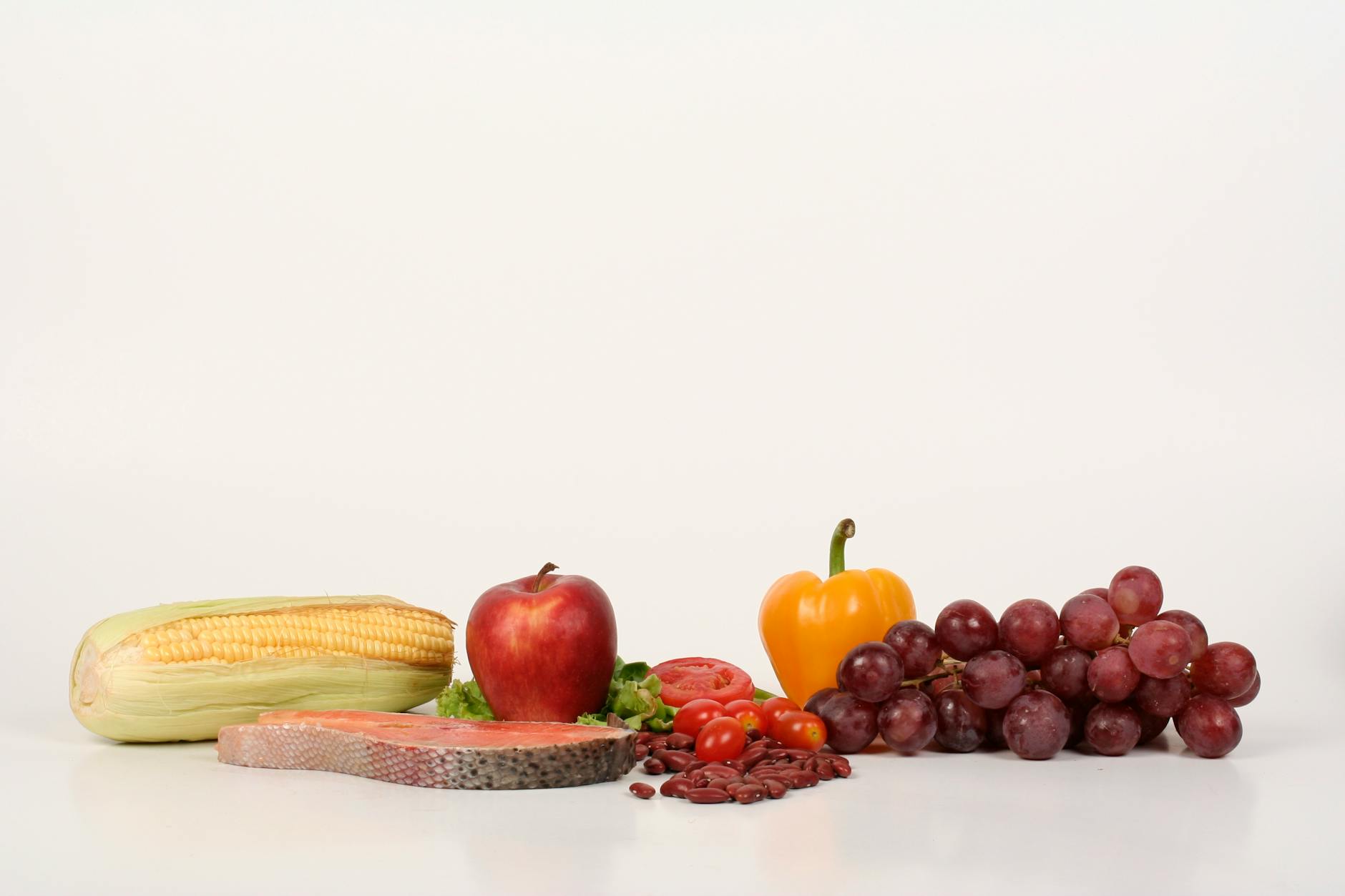
Diet and Skin: What 61 Studies Actually Say About Food and Ageing
A 2025 meta-analysis published in the Journal of Physiological Anthropology set out to answer a question that matters to anyone interested in diet and skin ageing: which dietary changes actually slow the process? The researchers reviewed 61 studies, and the results challenge a lot of popular advice.
Collagen powders, "superfood" lists, and supplement marketing dominate the conversation around nutrition and skin health. But when the team separated industry-funded studies from independent ones, the picture changed dramatically. Some widely promoted products lost their evidence base entirely, while a few straightforward dietary patterns held up under scrutiny.
This article cuts through the noise. We will walk through what peer-reviewed research genuinely supports, what it does not, and what practical changes are worth making.
Does Diet and Skin Ageing Research Actually Support Dietary Changes?
How skin ages from the inside out
Skin ageing happens through two pathways. Intrinsic ageing is driven by your genetics and the natural slowdown in collagen production, cell turnover, and moisture retention over time. Extrinsic ageing is caused by environmental factors: UV exposure, air pollution, smoking, and diet.
Most people know about sun damage, but fewer realise that nutrition is one of the few ageing factors you can modify on a daily basis. The 2025 Journal of Physiological Anthropology meta-analysis remains the most comprehensive review to date. By pooling data from 61 studies, the researchers identified which nutrients have consistent evidence behind them and which rely on weaker or industry-funded data.
The distinction matters, because a supplement that performs well in a manufacturer-sponsored trial does not always hold up when independent researchers run the same experiment.
The nutrients with real evidence behind them
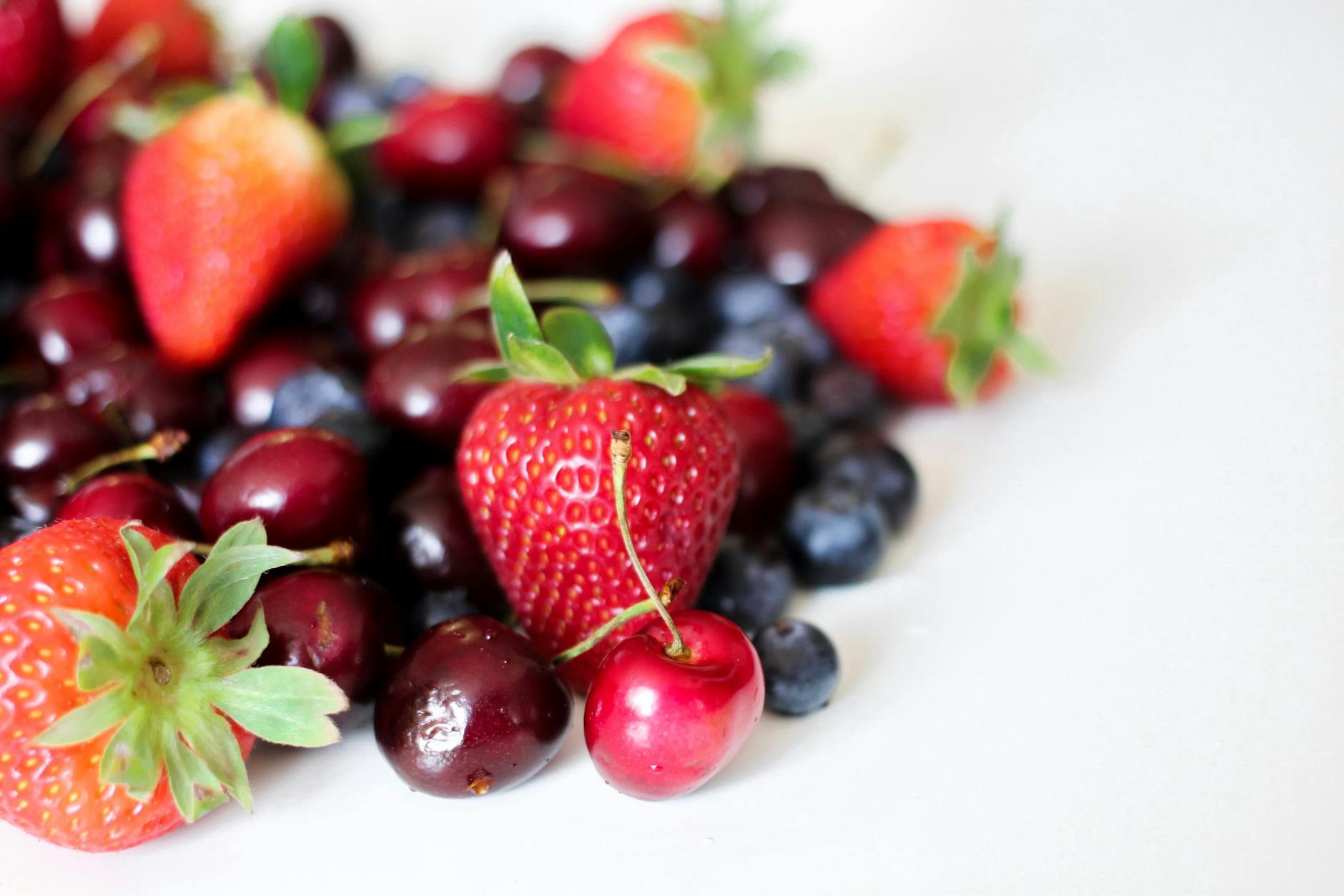
Several nutrients showed consistent benefits for skin across multiple high-quality studies.
Polyphenols stood out in the meta-analysis for their ability to reduce wrinkles and strengthen skin barrier integrity. These are the antioxidant compounds found in berries, green tea, dark chocolate, and red wine. They work by neutralising free radicals that break down collagen and elastin.
Omega-3 fatty acids, particularly EPA and DHA from fatty fish, modulate inflammatory responses in the skin. Research shows they reduce UV-induced damage and improve barrier function, which helps skin retain moisture and resist environmental stress.
Carotenoids, the pigments that give carrots, sweet potatoes, and tomatoes their colour, improve skin redness and pigmentation. Beta-carotene and lycopene accumulate in the skin and act as a mild internal sunscreen, though they are not a replacement for topical sun protection.
Vitamin C is associated with a lower likelihood of wrinkled appearance, according to research published in the American Journal of Clinical Nutrition. It supports collagen synthesis directly, which is why it shows up in so many skincare products. One interesting finding from the Dermato-Endocrinology review: oral vitamin C (3 g) combined with vitamin E (2 g) increases UV photoprotection roughly 1.5 times. However, neither vitamin works alone at that level; the synergy between the two is what produces the protective effect.
What Foods Cause Wrinkles and Premature Ageing?
Sugar and skin ageing: the glycation effect
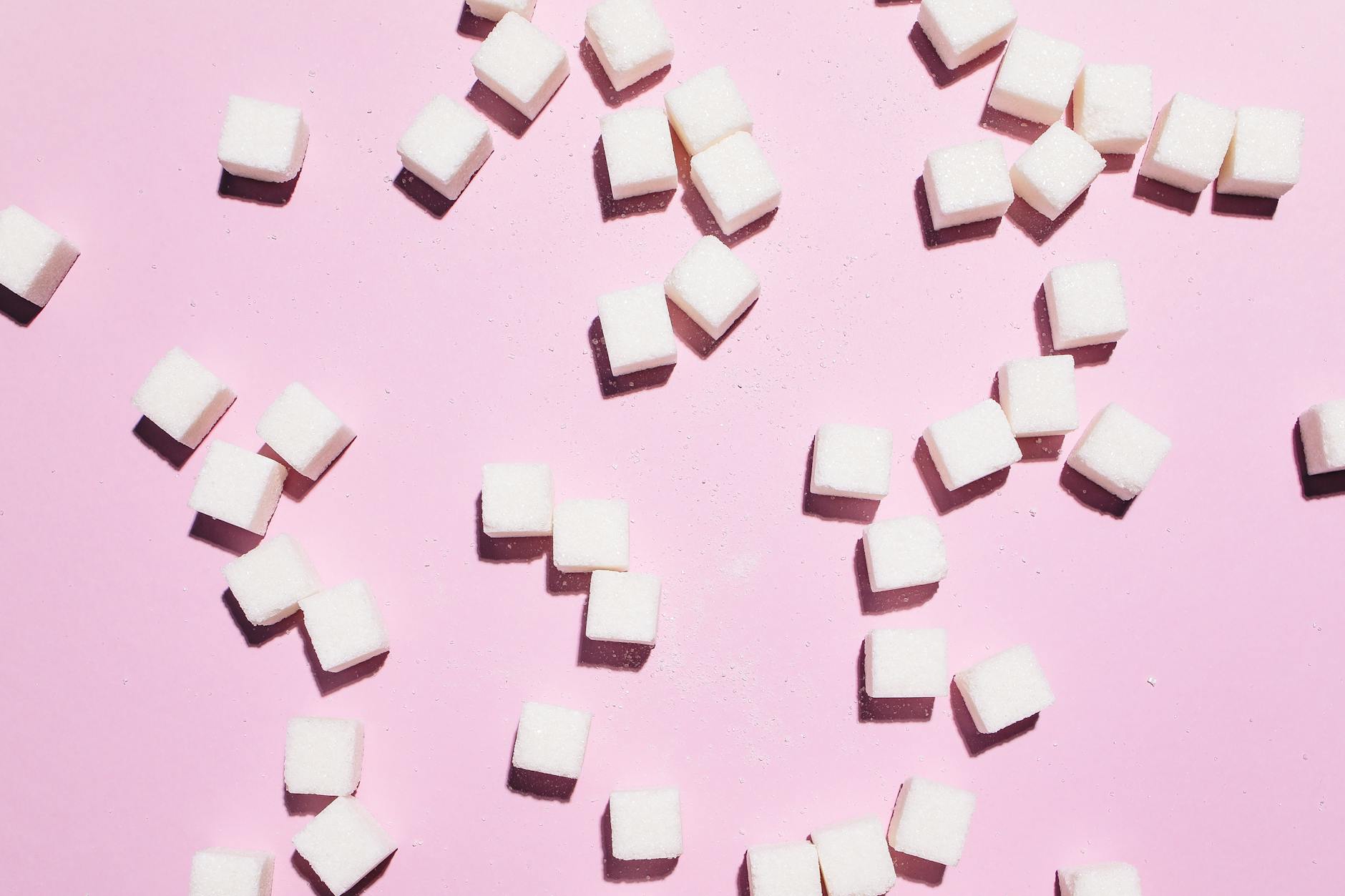
If the question is which foods cause wrinkles, sugar sits near the top of the evidence base. The mechanism is called glycation. When you consume excess glucose and fructose, those sugar molecules attach to collagen and elastin fibres in your skin, forming compounds called advanced glycation end products (AGEs).
Once collagen is crosslinked by AGEs, it becomes stiff and loses its elasticity. The Skin Therapy Letter described this as "Sugar Sag," and the name captures the visible outcome well.
UV exposure accelerates AGE formation in the skin, which means high sugar intake and sun exposure compound each other. One study found that strict blood sugar control for four months reduced glycosylated collagen production by 25%. That is a meaningful improvement from a single dietary change.
Cooking methods also play a role. Grilling and frying produce significantly more dietary AGEs than boiling or steaming. Choosing gentler cooking methods for meat and starchy foods can reduce your AGE intake without changing what you eat.
Ultra-processed foods and accelerated ageing
Sugar is not the only concern. A 2024 cross-sectional analysis of NHANES data (over 10,000 US adults) found that every 10% increase in ultra-processed food intake was associated with 2.4 months of accelerated biological ageing, measured via DNA methylation markers. That effect accumulates over years of dietary habits.
Monash University researchers added an important nuance: low nutritional value only partly explains the link between ultra-processed foods and ageing. Something about the processing itself appears to drive the effect, though the exact mechanism is still being investigated.
The practical takeaway here is that it is not enough to add "good" foods on top of a poor diet. Reducing ultra-processed food intake matters just as much as increasing your vegetable consumption. Both sides of the equation count.
Can Collagen Supplements Improve Your Skin?
What the industry-funded studies say vs. independent research
Collagen supplements are a billion-dollar market, and the marketing is convincing. But the evidence tells a more complicated story.
A 2025 meta-analysis published in the American Journal of Medicine examined the full body of research on collagen supplements and skin. The findings were stark: industry-funded trials showed significant benefits, while independently funded, high-quality studies showed no significant effect. The dermatologists who reviewed the evidence put it bluntly: "Without large randomised controlled trials funded independently of industry, dermatologists cannot confidently recommend collagen supplements for skin."
The American Academy of Dermatology has also noted that most oral collagen supplements lack third-party verification and clear ingredient information.
Why this matters for Australian consumers
In Australia, supplements are not regulated with the same rigour as medicines by the TGA. A product can make general health claims without the kind of clinical trial evidence that would be required for a therapeutic good.
This is exactly the kind of situation where knowledge beats marketing. You deserve to know the quality of the evidence behind a product, not just the headline claims on the label. To be clear, this does not mean collagen supplements are proven useless. It means the evidence is not yet reliable enough for practitioners to recommend them confidently.
If you choose to try them, go in with realistic expectations and choose products with third-party testing where possible.
The Best Diet for Skin Ageing: What the Evidence Supports
The Mediterranean diet has the strongest evidence base
When researchers look at overall dietary patterns rather than individual nutrients, the Mediterranean diet consistently comes out on top for skin health. It is rich in polyphenols, omega-3 fatty acids, and antioxidants from whole foods, which are precisely the nutrients with the strongest anti-ageing diet evidence.
A 2024 randomised controlled trial showed this anti-inflammatory power in action: 47.4% of participants following a Mediterranean diet achieved a 75% reduction in psoriasis severity, compared to 0% in the control group. While psoriasis is an autoimmune condition rather than a direct ageing concern, this trial demonstrates the diet's potent anti-inflammatory effects, and chronic low-grade inflammation is one of the key drivers of skin ageing. Researchers publishing in AJMC specifically recommend the Mediterranean diet for reducing inflammation and managing dermatological symptoms.
Traditional longevity diets from Okinawa, the Nordic countries, and Blue Zone regions share similar principles: high antioxidant intake from whole foods and low consumption of processed foods. The consistency across different cultures reinforces that the benefits come from the dietary pattern, not from any single ingredient.
A whole-food, plant-forward approach
Whole-food, plant-based diets have been shown to lengthen telomeres, which are a marker for cellular ageing, and to maximise antioxidant potential. The key food groups for nutrition and skin health include colourful vegetables and fruits for polyphenols and carotenoids, fatty fish for omega-3s, nuts and seeds for vitamin E and healthy fats, olive oil, and fermented foods.
No single "superfood" does the job on its own. The evidence consistently points to overall dietary patterns rather than individual foods or supplements. The practical framing that works best: focus on what to eat more of, not just what to avoid. Building a plate around whole foods naturally displaces the ultra-processed options that accelerate ageing.
Can Gut Health Affect Your Skin?
The gut-skin axis explained
Emerging research from 2024 and 2025 has established a bidirectional relationship between your gut microbiome and your skin. The connection, called the gut-skin axis, works through metabolic products and immune system modulation. Gut microbes produce short-chain fatty acids and other compounds that influence your skin's inflammatory and oxidative responses.
The relationship runs both directions. A 2025 study published in Gut Microbes (a preclinical murine model) confirmed that skin injuries can also disrupt gut microbiome balance, suggesting the two systems are more interconnected than previously understood. The therapeutic potential of this connection is significant, though researchers are still mapping the specific pathways in human subjects.
What this means for your plate
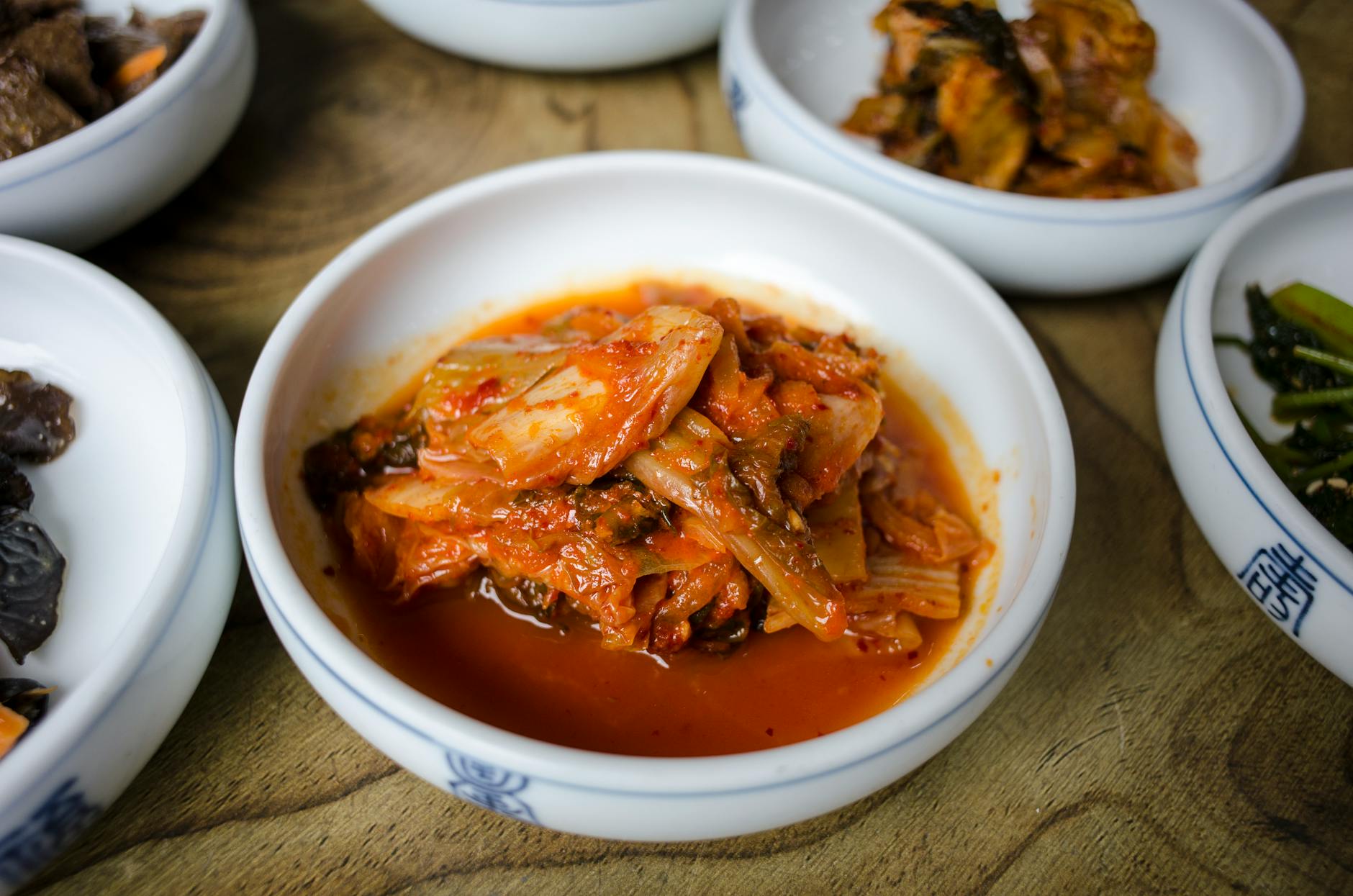
Fermented foods like yoghurt, kimchi, and sauerkraut support gut microbiome diversity, which in turn may benefit skin health. A 2024 review in Ageing Research Reviews identified biotics, including probiotics and prebiotics, as an emerging therapeutic frontier for skin ageing.
An honest assessment: this is still early-stage research, with much of the strongest evidence coming from animal models rather than large human trials. The gut-skin axis is promising, but it is not yet at the level of evidence we have for dietary patterns like the Mediterranean diet. It is worth including fermented foods in your diet, but it is not a reason to invest in expensive probiotic supplements just yet.
Practical Takeaways for Nutrition and Skin Health
Evidence-based dietary changes you can make today
The research points to a handful of changes with genuine evidence behind them.
- Prioritise a Mediterranean-style eating pattern. Build meals around vegetables, fruits, fish, olive oil, and nuts. This dietary pattern has the strongest and most consistent evidence for skin health and overall ageing.
- Reduce sugar and ultra-processed food intake. The evidence for what to cut is as strong as the evidence for what to add. Sugar drives glycation, and ultra-processed foods accelerate biological ageing independently of their nutritional content.
- Eat a variety of colourful whole foods. Rather than chasing individual "superfoods," aim for diversity. Different colours deliver different polyphenols, carotenoids, and antioxidants.
- Choose boiling and steaming over grilling and frying where practical. Gentler cooking methods reduce dietary AGEs without requiring you to change your ingredients.
- Get vitamin C and E from food sources first. The evidence for supplementation is mixed, but the evidence for these nutrients from whole foods is strong. Citrus fruits, capsicum, nuts, and seeds are reliable sources.
What to be sceptical about
Not everything marketed for skin health has the evidence to back it up. Be cautious about:
- Collagen supplement marketing claims that outpace independent evidence. The industry-funded studies look good, but independent research has not confirmed the same benefits.
- "Anti-ageing superfood" lists that cherry-pick single studies. One positive trial does not make an evidence base.
- Any product claiming to reverse skin ageing through diet alone. Diet is one modifiable factor alongside sun protection, sleep, stress management, and overall health. No single intervention works in isolation.
The best approach to diet and skin ageing is a consistent, whole-food dietary pattern combined with evidence-based skincare and professional guidance. That is what this research supports, and it is the foundation of evidence-based decision-making: knowing what the science actually says, rather than what the marketing wants you to believe. If you want to explore how nutrition fits into your broader skin health plan, speak with your AHPRA-registered practitioner. They can help you separate the evidence from the hype and build a plan tailored to your individual situation.
This content is for general educational purposes only and does not constitute medical advice, diagnosis, or treatment. Always consult a qualified, AHPRA-registered health practitioner before undergoing any cosmetic procedure. Individual results vary; outcomes shown or described may not reflect your experience. All cosmetic procedures carry risks.
Sources
- Dietary interventions in skin ageing: a systematic review and meta-analysis - Journal of Physiological Anthropology, 2025
- Effects of Collagen Supplements on Skin Aging: A Systematic Review and Meta-Analysis - American Journal of Medicine, 2025
- Dermatologists say collagen supplements aren't the skin fix people expect - ScienceDaily, January 2026
- Industry reacts to meta-analysis concluding collagen supplements show no proven benefit - NutraIngredients, August 2025
- Can collagen supplements improve your skin? Here's what the research shows - NPR, October 2025
- Association between ultra-processed food intake and biological ageing - Age and Ageing, 2024
- Ultra-processed foods associated with faster biological ageing - Monash University, 2024
- Nutrition's Complex Impact on Skin Health, Aging - AJMC, 2024
- Sugar Sag: Glycation and the Role of Diet in Aging Skin - Skin Therapy Letter, 2016
- Diet and Skin Aging: From the Perspective of Food Nutrition - Nutrients (PMC), 2020
- Discovering the link between nutrition and skin aging - Dermato-Endocrinology (PMC), 2012
- Potential Role of Dietary Antioxidants During Skin Aging - Food Science & Nutrition, 2025
- Diet and Dermatology: The Role of a Whole-food, Plant-based Diet - Journal of Clinical and Aesthetic Dermatology (PMC), 2020
- The gut-skin axis: a bi-directional, microbiota-driven relationship - Gut Microbes, 2025
- Biotics as novel therapeutics in targeting signs of skin ageing via the gut-skin axis - Ageing Research Reviews, 2024
- Interaction between the microbiota and the skin barrier in aging skin - Frontiers in Physiology, 2024
- Traditional Diets and Skin Longevity: Okinawan, Nordic, and Blue Zone Insights - Journal of Integrative Dermatology, 2025
- Can your diet slow skin aging? New review reveals what helps and what harms - News-Medical, May 2025
- Nutrition and aging skin: sugar and glycation - Clinics in Dermatology, 2010
- The effects of advanced glycation end-products on skin and potential anti-glycation strategies - Experimental Dermatology, 2024
Photos by wutthichai charoenburi, Jane T D., Polina Tankilevitch, and makafood on Pexels