
Combining Skin Treatments: Why Stacking Works When It's Planned
Personalised multi-modal treatment plans improve patient satisfaction by 37% over single treatments. Here is what the evidence says about combining skin treatments safely, which pairings work, and what to ask your practitioner.
- skin treatments
- combination therapy
- evidence-based skincare
- treatment planning
- multi-modal
Combining Skin Treatments: Why Stacking Works When It's Planned
If your skin is almost where you want it but never quite there, you are in good company. A 2024 study in the Journal of Clinical and Aesthetic Dermatology found that personalised multi-modal treatment plans improved patient satisfaction by 37% over single-modality treatments. Most skin concerns live across multiple tissue layers and biological pathways, and no single treatment can address roughness, dehydration, pigmentation, pore size, and collagen loss at the same time.
The catch: doing it safely means understanding how modalities interact, sequencing them correctly, and working with a practitioner who can build a plan around your skin.
Different Treatments, Different Tissue Layers
A chemical peel works on the epidermis. Energy-based devices like radiofrequency and laser target the dermis. Topical active ingredients support barrier function and recovery at the surface. The logic behind combining treatments is that each layer needs its own tool.
A pilot study published in the Aesthetic Surgery Journal Open Forum demonstrated this in practice. Researchers assessed the effects of "stackable" skincare protocols (described in the study as "medical-grade," though no Australian regulator defines or certifies that term) and found significant improvements across six distinct skin health areas: roughness, dehydration, scarring, pore size, pigmentation, and vasculature. The takeaway was clear: combining treatments that target different layers produces outcomes that a single approach simply cannot match.
Think of it like renovating a house. Painting the walls (resurfacing the epidermis) makes a visible difference, but it does not fix the foundation (the dermis) or the plumbing (cellular repair pathways). A comprehensive plan addresses all three.
How Do Combination Treatments Work Better Than Single Treatments?
Dual-modality protocols, such as radiofrequency combined with laser, consistently outperform standalone treatments in both speed and durability of results. Data published in the Journal of Clinical and Aesthetic Dermatology in 2023 showed that multi-modal plans reduced fine line visibility by 40% and acne incidence by up to 55% within three months.
The dermatologic consensus is shifting toward combination therapy as the evidence-preferred approach for skin quality improvement. Treatments should be combined based on three factors: mechanism of action, the tissue layer each targets, and the strength of the evidence base supporting the pairing. This is not about throwing everything at the wall. It is about intentional, evidence-based layering.
The Role of Topical Skincare in a Multi-Modal Plan
Topical skincare is not just a nice add-on. Research on combined dermocosmetic approaches, published in a 2023 literature review indexed in PubMed, found that outcomes improve meaningfully when cosmeceuticals are used as pre- or post-procedural adjuvants.
Before a procedure, preparing the skin barrier with targeted topicals improves tolerance and sets the stage for better outcomes. After a procedure, the right products accelerate recovery and sustain results for longer. This is why practitioners increasingly build homecare protocols into treatment plans rather than treating professional treatments and at-home skincare as separate conversations. If you are interested in how topical routines fit into a broader skincare strategy, our guides on choosing evidence-based skincare products explore this topic in more detail.
What Skin Treatments Can Be Combined? Evidence-Based Pairings
This section focuses on combinations that have clinical support, not marketing claims. We are looking at non-surgical, non-injectable treatments: topicals, energy-based devices, chemical peels, microneedling, and LED therapy.
Chemical Peels and LED Light Therapy
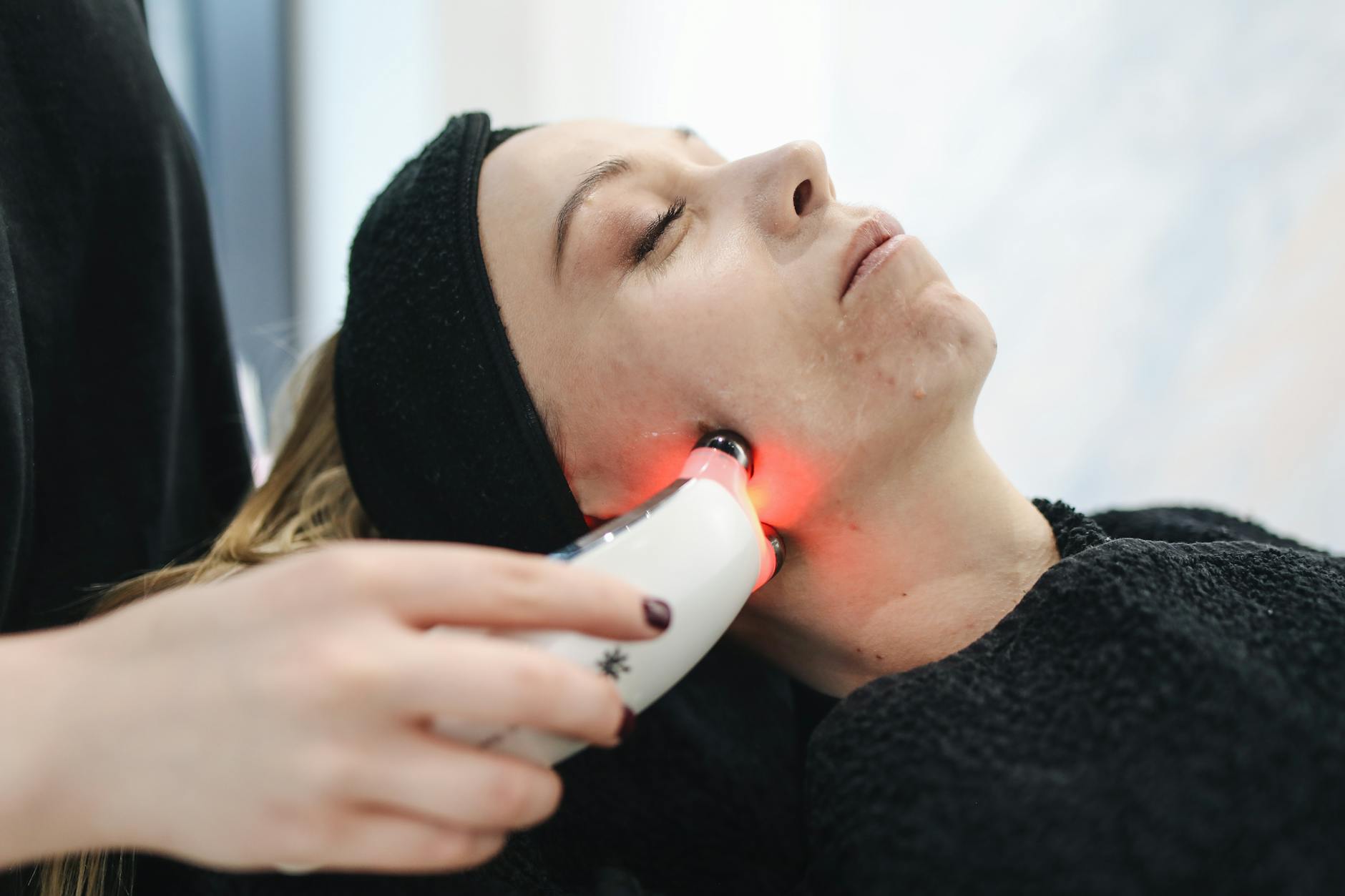
Chemical peels resurface the epidermis by removing damaged outer layers, improving texture, tone, and pigmentation. LED light therapy works at a completely different level, stimulating cellular repair in the dermis. Research published in Photomedicine and Laser Surgery and Lasers in Medical Science has shown that red and near-infrared light increase collagen and elastin production by fibroblasts.
Combining these two modalities targets texture and pigmentation (via the peel) and collagen stimulation (via LED) simultaneously. The key is timing: wait until the immediate post-peel redness and sensitivity subside, typically a few days, before introducing LED sessions. This allows the skin barrier to stabilise while still capitalising on the heightened cellular activity from the peel.
Microneedling and Topical Active Ingredients
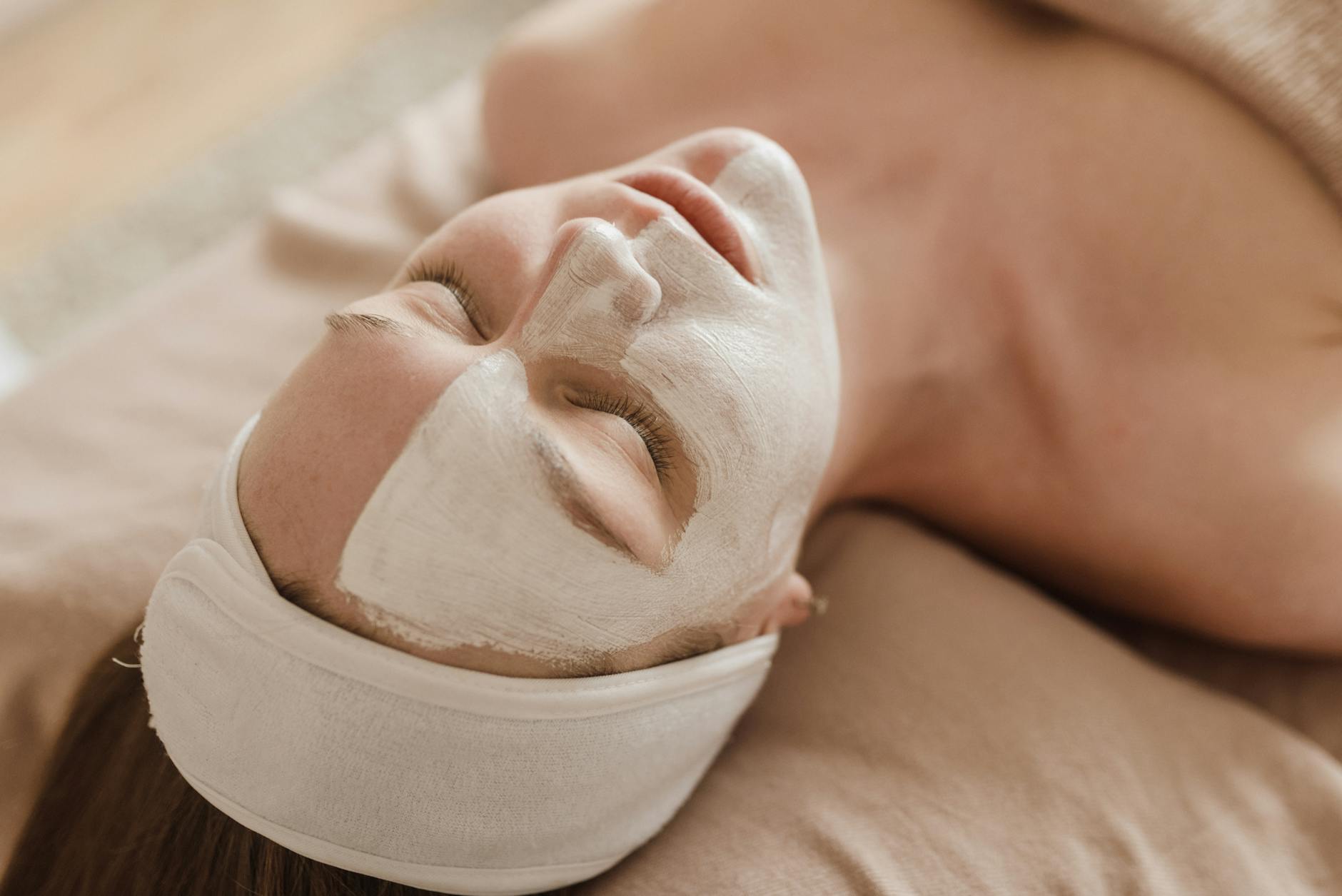
Microneedling creates controlled microchannels in the skin, which dramatically improve the absorption of active ingredients like vitamin C and topical hyaluronic acid serums. A study published in the journal Combination Therapy in Clinical and Cosmetic Dermatology found that this combined therapy is "therapeutically superior" for oily and acne-prone skin, providing more effective reduction of bacterial activity than either modality alone.
There is an important safety note here. Only use products specifically formulated for post-microneedling application. Standard skincare products, including those you might use daily, can cause irritation or adverse reactions when applied to skin with thousands of tiny open channels. Your practitioner should advise you on exactly which products are safe to use and when.
Stacking Skin Treatments Across Multiple Sessions
Combining skin treatments does not always mean layering everything in a single visit. Stacking skin treatments across weeks or months is often the safer, more effective approach. A consensus-based treatment algorithm for skin quality, published in PMC in 2025, supports this phased strategy.
The general sequencing principle is: resurfacing procedures first, then energy-based treatments, then ongoing maintenance with topicals and LED. Each phase builds on the last. Resurfacing clears the way for deeper treatments to be more effective, and maintenance protocols preserve the gains you have made.
How Long Should You Wait Between Different Skin Treatments?
This is one of the most common questions, and the answer depends on the specific combination. The general principle is that the more aggressive the procedure, the longer the recovery window before adding another modality.
Treatment Sequencing and Timing Guidelines
Superficial peels are relatively gentle, and other treatments can typically follow within a few days to one week. Medium-depth peels require more caution; wait at least two to four weeks before introducing additional procedures to allow proper healing.
Microneedling has its own considerations. Avoid combining it with microcurrent on freshly needled skin, as this combination risks irritation and tissue damage. LED therapy, on the other hand, is generally safe to add soon after most procedures because it is non-invasive and actively supports the healing process.
The most important takeaway here is that your practitioner should map out a specific timeline based on your skin type, the treatments involved, and your individual healing response. Cookie-cutter timelines are a starting point, not a prescription.
What Treatments Should Not Be Combined?
Overlapping aggressive procedures or active ingredients can cause serious problems, from irritation and prolonged sensitivity to burns and long-term damage. Knowing the contraindications is just as important as knowing the evidence-based pairings.
Key contraindications to be aware of include:
- Active acne lesions
- Herpetic lesions (cold sores)
- Chronic skin conditions like eczema or psoriasis in active flare
- Blood-thinning medications
- Photosensitive medications (including some antifungals and pain medications that should not be combined with laser or UV-based light treatments)
The safety message is non-negotiable: always disclose your full medical history and current medications to your practitioner. Withholding information, even about over-the-counter supplements, can lead to complications that were entirely preventable.
Safety First: What the Australian Guidelines Say About Combining Cosmetic Treatments
This is where we get into territory that most articles on combining cosmetic treatments skip entirely. Australian regulations set a high bar for how practitioners should approach multi-modal treatment planning, and understanding these requirements helps you identify practitioners who are doing things properly.
Since 2 September 2025, AHPRA requires all registered health practitioners performing non-surgical cosmetic procedures to ensure holistic, evidence-based patient assessment before treatment. This is not a suggestion. It is a regulatory requirement with enforcement behind it. For more on how AHPRA's framework protects consumers, see our articles on cosmetic treatment safety and compliance.
AHPRA Requirements for Multi-Modal Treatment Plans
Before recommending any combination protocol, practitioners must conduct a thorough assessment of your medical history, skin type, previous procedures, allergies, and underlying health conditions. This is not a five-minute chat. It is a structured clinical assessment.
The updated AHPRA guidelines also require psychological screening. Conditions like Body Dysmorphic Disorder (BDD) are more common among people seeking cosmetic treatments, and practitioners are now required to assess for these conditions as part of the consultation process. This protects patients from undergoing treatments that will not address their underlying concerns.
Between September 2022 and March 2025, AHPRA investigated approximately 360 notifications related to non-surgical cosmetic procedures. This shows active regulatory enforcement. Practitioners who cut corners are being reported and investigated.
The takeaway for you: a practitioner who rushes through assessment, skips your medical history, or does not ask about your psychological relationship with your appearance is not meeting the regulatory standard. That is a red flag.

Questions to Ask Your Practitioner Before Starting a Combination Plan
You have every right to ask these questions, and a good practitioner will welcome them:
- What is the evidence base for this specific combination? Ask for references to studies or clinical guidelines, not just anecdotal experience.
- How will you sequence my treatments and why? The order matters, and your practitioner should be able to explain the rationale.
- What are the specific risks of combining these modalities for my skin type? Risks vary based on skin type, tone, sensitivity, and medical history.
- What contraindications have you screened for? This tells you whether a proper assessment has been done.
- What should I expect for recovery between sessions? Realistic timelines help you plan and set expectations.
- Are you AHPRA-registered, and does your scope of practice cover all proposed treatments? Verify registration on the AHPRA website.
Building Your Multi-Modal Skincare Plan: A Practical Framework
With the evidence and safety foundations covered, here is how to approach building a treatment plan that actually works.
Step 1: Start with a Professional Skin Assessment
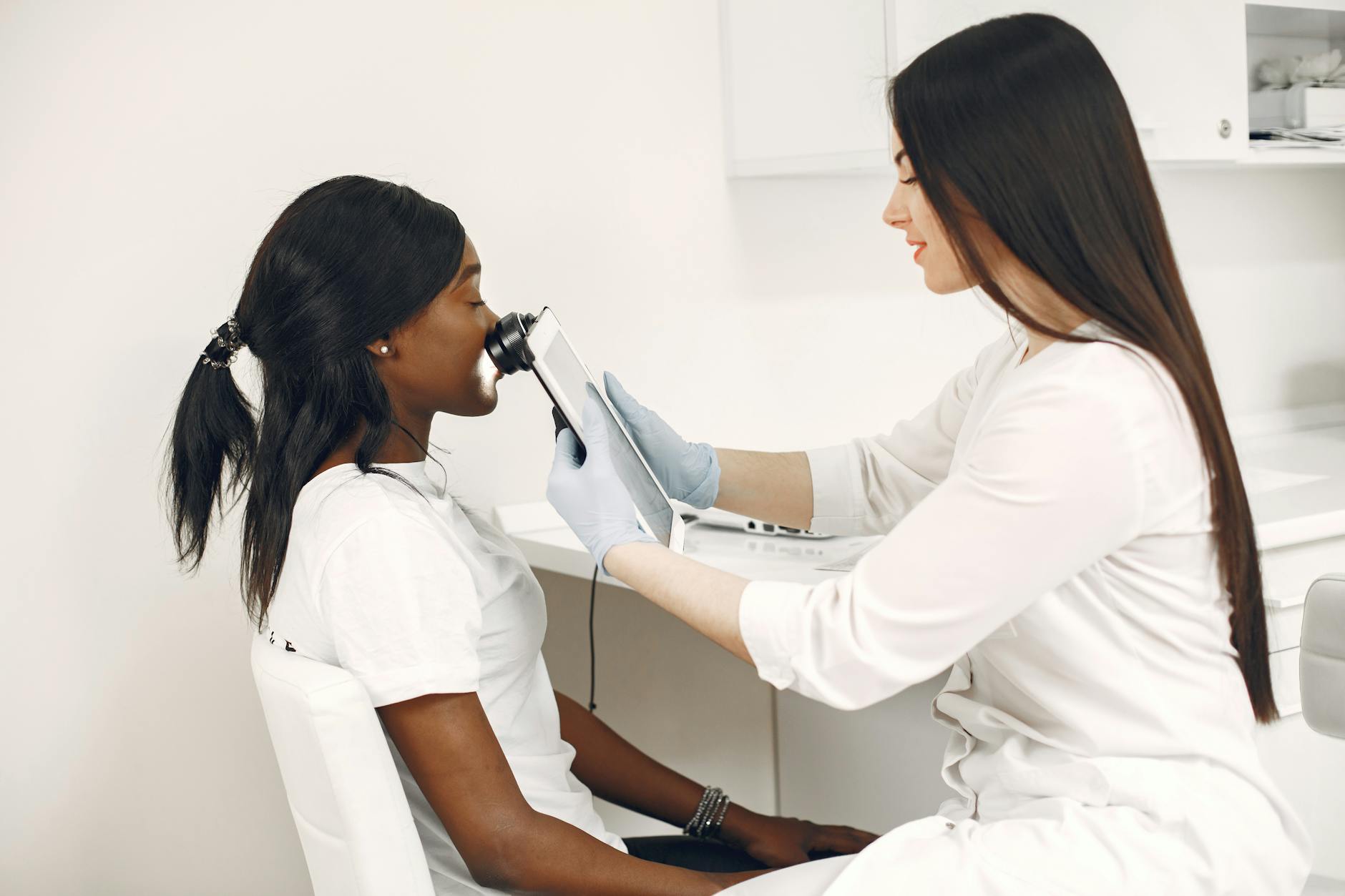
A personalised plan begins with a proper consultation, not a treatment menu. A qualified practitioner will assess your skin type, primary concerns, lifestyle factors (sun exposure, stress, sleep, diet), and full medical history before recommending any combination.
Under the current AHPRA guidelines, this consultation must be conducted in person or via video. Async consultations by text or email do not meet the standard for cosmetic procedure planning. If someone is offering to build your treatment plan without seeing you, that is another red flag. Our guide on how to choose a cosmetic practitioner covers what to look for in more detail.
Step 2: Understand the Goal of Each Treatment in Your Plan
Every treatment in a multi-modal plan should have a clear, specific purpose. One might target resurfacing, another collagen stimulation, another barrier repair, and another pigment correction. If you cannot explain what each treatment is doing and why it is in your plan, ask your practitioner to clarify.
Avoid "more is better" thinking. The evidence supports intentional combination, not blanket stacking. Revisit the tissue-layer framework: what layer does each treatment target, and how do they complement each other? If two treatments target the same layer in the same way, there may not be a benefit to doing both.
Step 3: Commit to the Full Plan, Including At-Home Maintenance
Professional treatments deliver optimal results when paired with practitioner-guided homecare. Skipping the at-home component is like going to the gym three times and then never going back. The gains will not stick.
Homecare maintains treatment results, reduces post-procedure inflammation, and helps prevent the recurrence of concerns you worked to address. Set realistic expectations: multi-modal plans typically show meaningful results over weeks to months, not overnight. The evidence consistently shows that patience and consistency outperform aggressive, one-off treatments.
The Short Version
Combining skin treatments is backed by growing peer-reviewed evidence. The difference between a good outcome and a bad one comes down to three things: evidence-based planning, correct sequencing, and working with a practitioner who meets the Australian regulatory standard.
The goal is not to do more. It is to do the right things, in the right order, for your skin. That requires a personalised assessment, a plan built on evidence rather than trends, and a commitment to the at-home maintenance that sustains the results. Book a consultation with an AHPRA-registered practitioner, bring the questions from this article, and do not settle for someone who cannot answer them.
This content is for general educational purposes only and does not constitute medical advice, diagnosis, or treatment. Always consult a qualified, AHPRA-registered health practitioner before undergoing any cosmetic procedure. Individual results vary; outcomes shown or described may not reflect your experience. All cosmetic procedures carry risks.
Sources
- Stackable Medical-Grade Skincare for the Cosmetic Medicine Patient: A Long-Term Pilot Assessment (accessed 2026-02-27)
- Combined multilevel anti-aging strategies and practical applications of dermocosmetics in aesthetic procedures (accessed 2026-02-27)
- Application of integrated skincare in medical aesthetics: A literature review (accessed 2026-02-27)
- Combination therapy in clinical and cosmetic dermatology: the marriage of device and drug (accessed 2026-02-27)
- Evidence and Considerations in the Application of Chemical Peels in Skin Disorders and Aesthetic Resurfacing (accessed 2026-02-27)
- Advances in Longevity: The Intersection of Regenerative Medicine and Cosmetic Dermatology (accessed 2026-02-27)
- The clinical benefit of a multimodal topical approach to treating skin dyspigmentation (accessed 2026-02-27)
- AHPRA Cosmetic Procedure Guidelines (accessed 2026-02-27)
- AHPRA: Booming billion-dollar cosmetic industry on notice with new cosmetic procedures guidelines (accessed 2026-02-27)
- Blending Chemical Peels with Other Skin Therapies (accessed 2026-02-27)
- LED Light Therapy After Microneedling: A Perfect Pairing for Radiant Skin (accessed 2026-02-27)
- How to Treat Skin Quality: A Consensus-Based Treatment Algorithm and Expert Guidance (accessed 2026-02-27)
- 8 Skincare Trends to Look Out for in 2026 (accessed 2026-02-27)
Photos by Gustavo Fring, Polina Tankilevitch, and Arina Krasnikova on Pexels