
Sunscreen: The SPF Maths, the Mineral Myth, and What Australia Gets Right
Sunscreen is the single best anti-ageing topical you can buy, backed by randomised controlled trials. Here is what the evidence says about UV filters, SPF ratings, and Australian TGA regulation.
- skincare
- topical-products
- safety

Sunscreen: The SPF Maths, the Mineral Myth, and What Australia Gets Right
Sunscreen is the single best anti-ageing topical you can buy, and that is not a marketing claim. A randomised controlled trial of 903 adults, published by Hughes et al. in the Annals of Internal Medicine in 2013, found that daily sunscreen use measurably slowed skin ageing. Most people still misunderstand the basics: how filters actually protect skin, what SPF numbers really mean, and why the "chemical vs mineral" debate is built on a myth recent research has finally put to rest.
The Mineral-vs-Chemical Debate Was Built on a Wrong Idea
Absorption, Not Reflection: The Myth That Won't Die
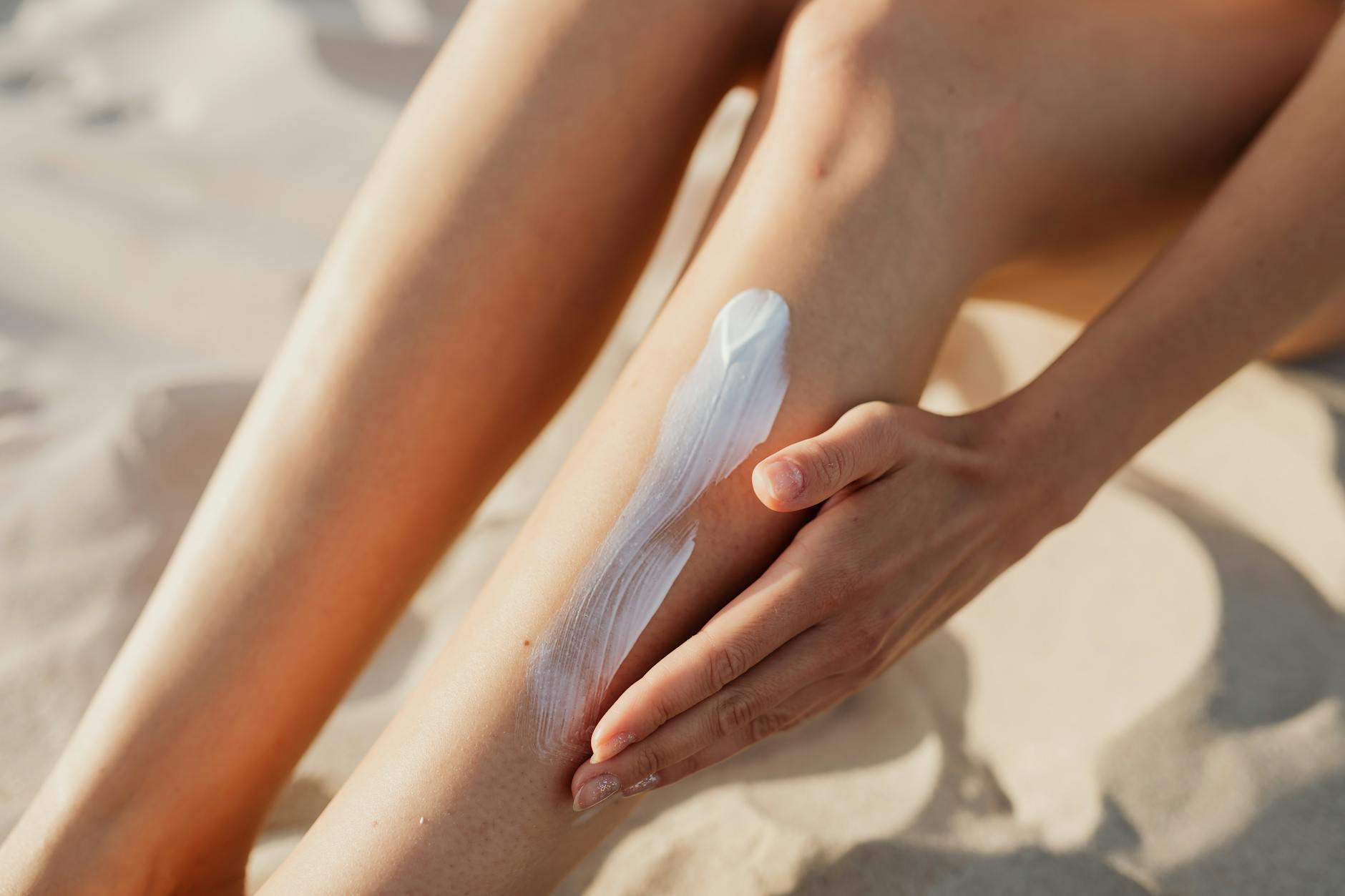
For years, the sunscreen industry told a neat story: mineral sunscreens (zinc oxide, titanium dioxide) sit on top of your skin and reflect UV rays like tiny mirrors, while chemical sunscreens absorb UV radiation and convert it to heat. It sounds logical. It is also largely wrong.
A 2025 study from researchers at UNSW confirmed that both types of sunscreen work primarily by absorbing UV radiation. Mineral filters do scatter a small amount of light, but absorption is their main mechanism of action. The "reflection vs absorption" framing was always an oversimplification that became marketing gospel.
The same UNSW research found that one in three products labelled as "mineral-only" sunscreens actually contain UV-absorbing organic chemicals as stabilisers or texture agents. Many people choose mineral-only formulas specifically to avoid those ingredients, so the mislabelling problem is real.
The takeaway is straightforward: choosing sunscreen based on a false reflection-vs-absorption distinction leads to misinformed decisions. What matters is the UV protection a product delivers, not the marketing category it sits in.
UVA vs UVB: What "Broad Spectrum" Means
Ultraviolet radiation reaches your skin in two relevant wavelengths. UVB (shorter wavelength, 280 to 315 nm) primarily causes sunburn. UVA (longer wavelength, 315 to 400 nm) penetrates deeper into the dermis and drives photoageing, pigmentation changes, and cumulative DNA damage.
A sunscreen labelled "broad spectrum" protects against both UVA and UVB. This is what matters for both skin cancer prevention and anti-ageing benefits. In Australia, the standard AS/NZS 2604:2021 requires specific UVA testing before a product can carry a broad-spectrum claim. That testing requirement is not optional; it is a regulatory condition enforced by the TGA.
When you see "broad spectrum" on an Australian sunscreen, it means the product has been tested to a defined standard. Not all international markets enforce UVA testing with the same rigour.
Is Chemical or Mineral Sunscreen Better?
What the Evidence Actually Says
This is one of the most common questions people ask about sunscreen, and the honest answer is that the chemical vs mineral sunscreen debate is less meaningful than most people think. Both types are effective at blocking UV radiation. Both types primarily work through absorption. Both types can be formulated to provide broad-spectrum protection.
Stanford Medicine summarised it well in 2025: the best sunscreen is one you will actually wear consistently. A mineral sunscreen that stays in your bathroom cabinet because you dislike the white cast is doing less for your skin than an organic-filter formula you apply every morning without thinking about it.
The real question is not "chemical or mineral?" but rather "which UV filters does this product contain, and will I actually use it every day?" Formulation, texture, and cosmetic elegance matter because they determine compliance. The most protective sunscreen in the world fails completely if it never leaves the bottle.
Ingredient Safety: Can Sunscreen Enter Your Bloodstream?
This is a question that comes up frequently, and it deserves a straight answer. In 2020, a study published in JAMA found that six common organic UV filters were absorbed into the bloodstream above the FDA's safety threshold after a single application. Oxybenzone was the outlier: it absorbed at 50 to 100 times higher concentrations than the other filters tested and remained above the threshold at day 21 after application.
Here is the critical context. Absorption above the safety threshold does not mean harm has been demonstrated. It means the FDA determined that more safety data is needed before those ingredients can be classified as "generally recognised as safe and effective." The threshold is a trigger for further study, not a finding of danger.
MD Anderson Cancer Center has been clear on this point: there is no medical evidence that sunscreen causes cancer, but there is extensive evidence that UV radiation does. The risk of skipping sunscreen because of absorption concerns is far greater than any theoretical risk from the filters themselves.
If you have specific ingredient sensitivities or concerns, an AHPRA-registered dermatologist or practitioner can help you choose a formulation that works for your skin. The important thing is that you wear sunscreen daily, no exceptions.
SPF 30 vs 50: Is Higher SPF Worth It?
The Maths Behind SPF Numbers
SPF stands for Sun Protection Factor, and it measures how much UVB radiation a sunscreen allows through to your skin under controlled laboratory conditions. The numbers are often misunderstood.
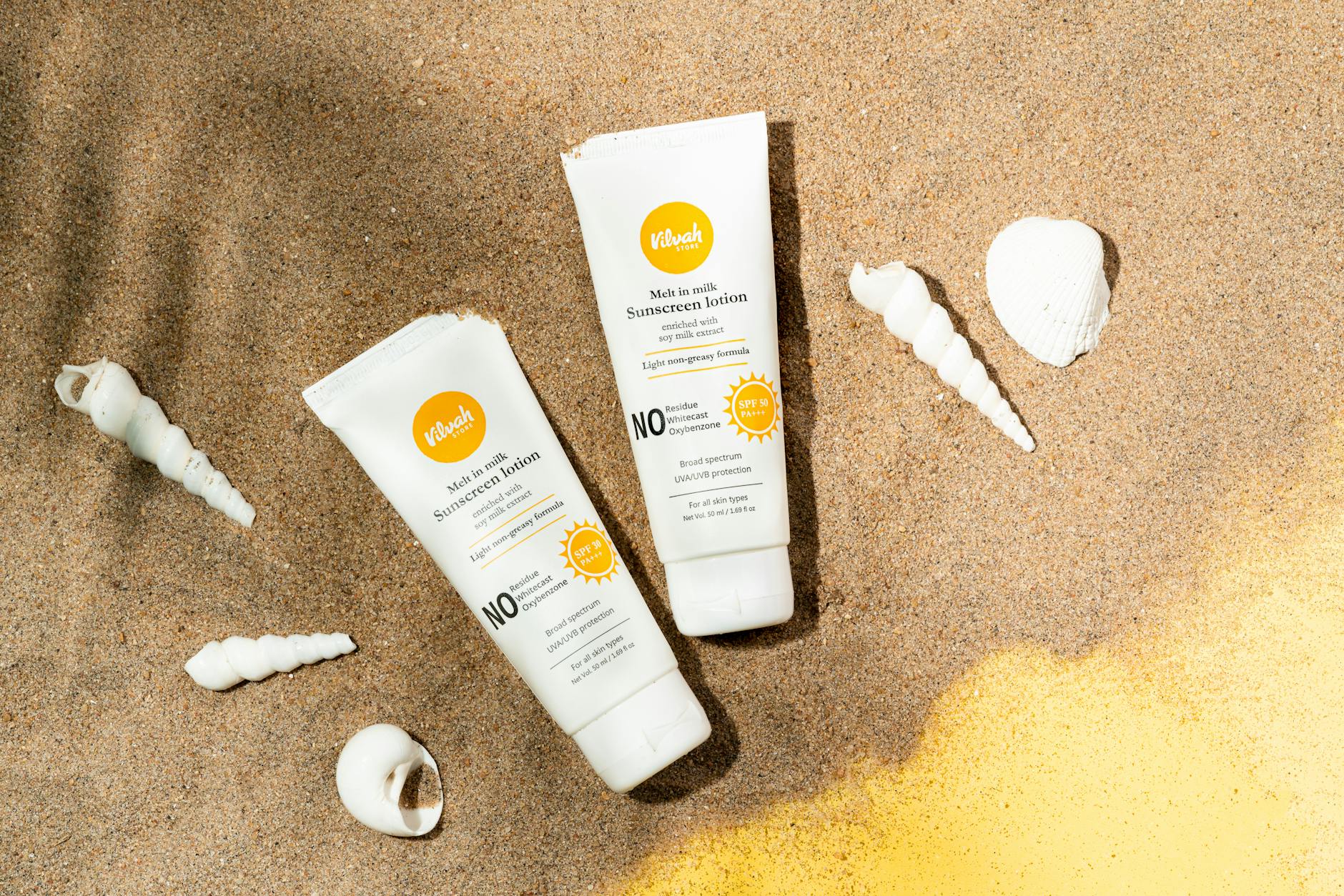
SPF 30 blocks approximately 97% of UVB radiation. SPF 50 blocks approximately 98%. That difference (97% vs 98%) sounds trivial on paper, and in a controlled lab setting, it is marginal.
But here is where real-world behaviour changes the calculation. SPF testing assumes you apply sunscreen at 2 mg per square centimetre of skin. Most people apply roughly half that amount, sometimes less. When you under-apply (and almost everyone does), a higher SPF gives you a larger margin of error. SPF 50 applied thinly may deliver real-world protection closer to what SPF 30 delivers at full thickness.
For everyday Australian conditions, SPF 50+ is a sensible default. The small additional cost is worth the buffer it provides against imperfect application.
How Often Should You Reapply Sunscreen?
Reapplication is where most people fall short, regardless of which SPF they choose. The American Academy of Dermatology recommends reapplying sunscreen every two hours, and that recommendation holds regardless of SPF level. SPF 50 does not buy you more time between applications.
You should also reapply immediately after swimming, heavy sweating, or towel-drying. Water-resistant formulations maintain their SPF rating for either 40 or 80 minutes of water exposure (the label will specify which), but after that window, you need a fresh layer.
The reapplication rule is arguably more important than the SPF number on the bottle. A diligently reapplied SPF 30 will outperform a single morning application of SPF 50 that is never topped up. Make reapplication a habit, not an afterthought.
Does Sunscreen Prevent Ageing?
The Landmark Clinical Evidence
The evidence for sunscreen as an anti-ageing product is not based on marketing studies or brand-funded trials. It comes from rigorous, independent research.
Hughes et al. published a landmark randomised controlled trial in 2013 involving 903 adults in Nambour, Queensland. The study found that daily application of broad-spectrum sunscreen measurably retarded skin ageing in middle-aged adults compared to discretionary use. This was not a small observational study. It was a properly powered RCT, and its findings have held up.
In 2016, Randhawa et al. published a study of 32 subjects showing that daily sunscreen users experienced 40 to 52% improvement in skin texture, clarity, and pigmentation over 52 weeks. Notably, 100% of subjects showed improvement in skin clarity and texture. That is an extraordinary consistency of results for any skincare intervention, even with a smaller sample size.
To put this in perspective: sunscreen has the strongest clinical evidence base of any topical anti-ageing product available without a prescription. Retinoids come close, but no other over-the-counter product has RCT-level evidence of this quality.
Sunscreen as Part of a Skincare Routine
Sunscreen does not just protect your skin on its own. It safeguards the gains you make with every other active in your routine. Retinoids, vitamin C, and chemical exfoliants all work to improve skin quality, but UV exposure can reverse those benefits. Photoageing undermines even the most diligent skincare regimen.
Think of sunscreen as the foundation that makes everything else in your routine more effective. Without UV protection, you are effectively taking two steps forward and one step back every time you walk outside.
This is especially relevant if you are considering cosmetic treatments that affect your skin's surface or barrier. Post-procedure skin is more vulnerable to UV damage, and consistent daily broad-spectrum SPF is the simplest way to support your recovery and results.
Sunscreen Regulation in Australia: What the TGA Requires

Why Australian Sunscreens Are Therapeutic Goods
Here is something many Australians do not realise: if a sunscreen claims SPF 4 or higher, it is classified as a therapeutic good under the Therapeutic Goods Act 1989. That puts it in the same regulatory category as over-the-counter medicines, not cosmetics.
This classification means every SPF sunscreen sold in Australia must be listed on the Australian Register of Therapeutic Goods (ARTG) before it can legally be sold. The TGA reviews the evidence supporting SPF and broad-spectrum claims. Products that do not meet the standard do not get listed.
For SPF 50+ products specifically, the Australian standard AS/NZS 2604:2021 requires the product to test at a minimum SPF of 60 in laboratory conditions. The "50+" label is effectively a floor, not a ceiling. Cancer Council Australia confirms that all Australian sunscreens comply with internationally recognised ISO testing standards for SPF measurement.
This level of regulatory oversight is genuinely stricter than what many other markets require. It is one area where Australian consumers have a real advantage.
What This Means for You as a Consumer
Australian sunscreen regulation translates to practical benefits at the point of purchase. When you pick up a sunscreen in Australia, the SPF claim has been independently verified against a defined testing standard. The broad-spectrum claim, if present, has been tested against specific UVA criteria.
Australian SPF categories are defined clearly: SPF 30 to 59 earns a "High protection" label, while SPF 60 and above (labelled as 50+) earns "Very high protection." These are regulated terms, not marketing language.
When reading an Australian sunscreen label, look for three things: the AUST L number (confirming ARTG listing), the active ingredients list (telling you which UV filters are in the formula), and the SPF rating. If a product has an AUST L number on the label, it has passed TGA scrutiny. If it does not, question why.
The Short Version
The chemical-vs-mineral distinction matters far less than consistent daily application of a broad-spectrum product. SPF 50+ gives you a practical buffer against under-application. And Australian TGA regulation means the claims on your bottle have been tested and verified to a standard many international markets don't match.
If you are considering cosmetic treatments that affect your skin, daily broad-spectrum SPF is the foundation that supports everything else. An AHPRA-registered practitioner can help you match sun protection to your skin type and your treatment plan.
This content is for general educational purposes only and does not constitute medical advice, diagnosis, or treatment. Always consult a qualified, AHPRA-registered health practitioner before undergoing any cosmetic procedure. Individual results vary; outcomes shown or described may not reflect your experience. All cosmetic procedures carry risks.
Photos by Kaboompics.com, Vilvah Store, and Macourt Media on Pexels
Sources
- Hughes, M.C., Williams, G.M., Baker, P., Green, A.C. (2013). Sunscreen and Prevention of Skin Aging: A Randomized Trial. Annals of Internal Medicine, 158(11), 781-790. https://www.acpjournals.org/doi/10.7326/0003-4819-158-11-201306040-00002
- Randhawa, M., Wang, S., Leyden, J.J., Cula, G.O., Patel, A., Norizadeh, N. (2016). Daily Use of a Facial Broad Spectrum Sunscreen Over One-Year Significantly Improves Clinical Evaluation of Photoaging. Dermatologic Surgery, 42(12), 1354-1361. https://journals.lww.com/dermatologicsurgery/abstract/2016/12000/daily_use_of_a_facial_broad_spectrum_sunscreen_over.4.aspx
- UNSW Sydney (2025). Study reveals mineral sunscreens work by absorbing UV, not reflecting it. https://newsroom.unsw.edu.au/news/science-tech/study-reveals-mineral-sunscreens-work-absorbing-uv-not-reflecting-it
- Matta, M.K., Florian, J., Zusterzeel, R., et al. (2020). Effect of Sunscreen Application on Plasma Concentration of Sunscreen Active Ingredients: A Randomized Clinical Trial. JAMA, 323(3), 256-267. https://jamanetwork.com/journals/jama/fullarticle/2759002
- Stanford Medicine (2025). Sunscreen safety: What to know. https://stanfordmedicine.org/health-topics/sunscreen-safety
- MD Anderson Cancer Center (2024). Is sunscreen safe? Accessed February 2026. https://www.mdanderson.org/cancerwise/is-sunscreen-safe.h00-159538834.html
- Therapeutic Goods Administration (TGA). Sunscreen regulation in Australia. https://www.tga.gov.au/products/sunscreens
- Cancer Council Australia. Sunscreen FAQs. https://www.cancer.org.au/cancer-information/causes-and-prevention/sun-safety/sunscreen-faqs
- Standards Australia. AS/NZS 2604:2021 Sunscreen products: Evaluation and classification. https://www.standards.org.au/standards-catalogue/sa-snz/health/he-011/as-slash-nzs--2604-colon-2021
- American Academy of Dermatology. Sunscreen FAQs. https://www.aad.org/public/everyday-care/sun-protection/sunscreen-patients/sunscreen-faqs