
Topical Products
14 articles
basics
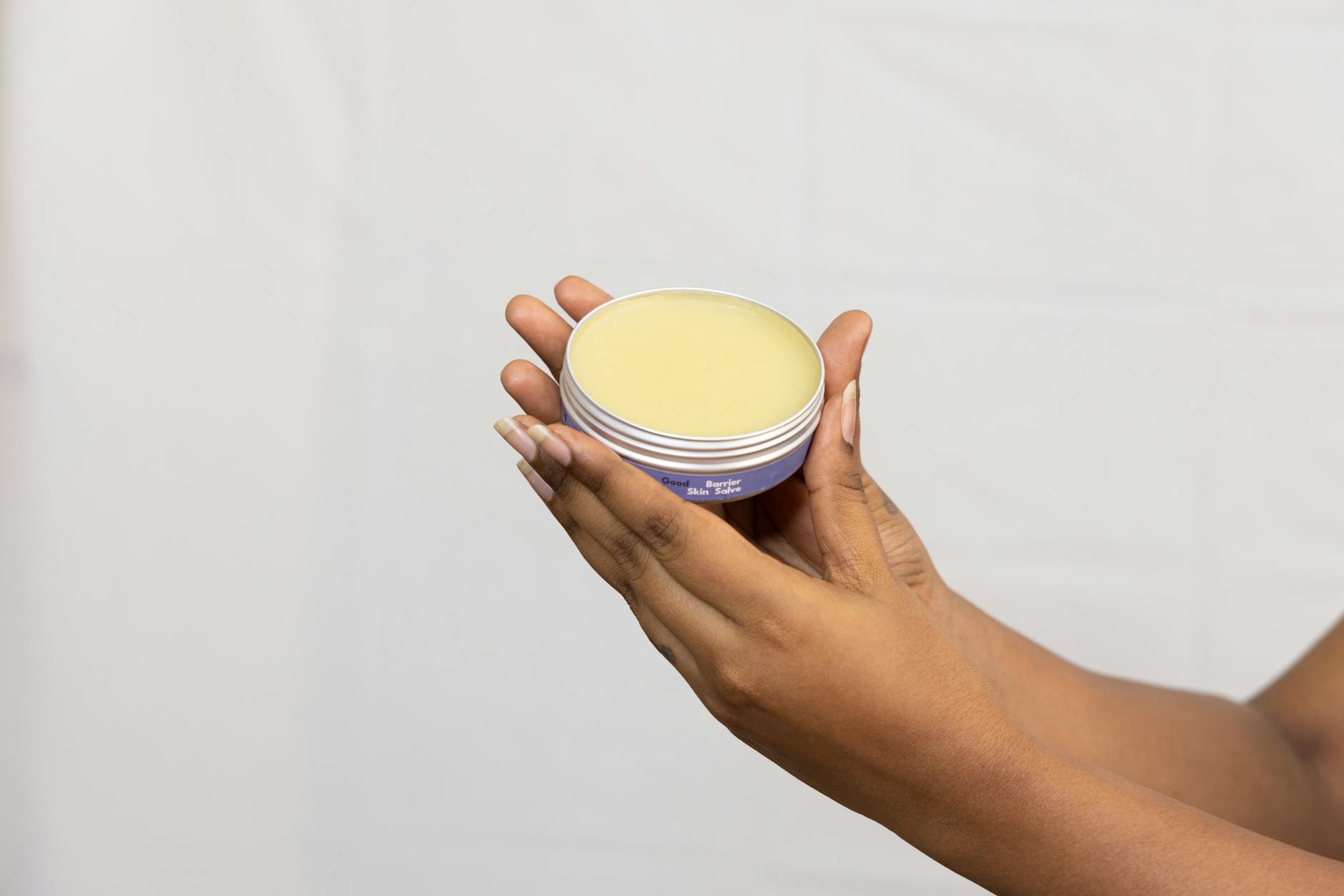
Moisturisers: Why a $12 Jar Can Beat the Designer Ceramides
Petrolatum blocks 98 to 99 percent of water loss from your skin. Here is the science behind humectants, occlusives, and emollients, and why 'medical-grade' is just a marketing term in Australia.
- skincare
- topical-products
- safety

basics
Sunscreen: The SPF Maths, the Mineral Myth, and What Australia Gets Right
Sunscreen is the single best anti-ageing topical you can buy, backed by randomised controlled trials. Here is what the evidence says about UV filters, SPF ratings, and Australian TGA regulation.
- skincare
- topical-products
- safety
actives
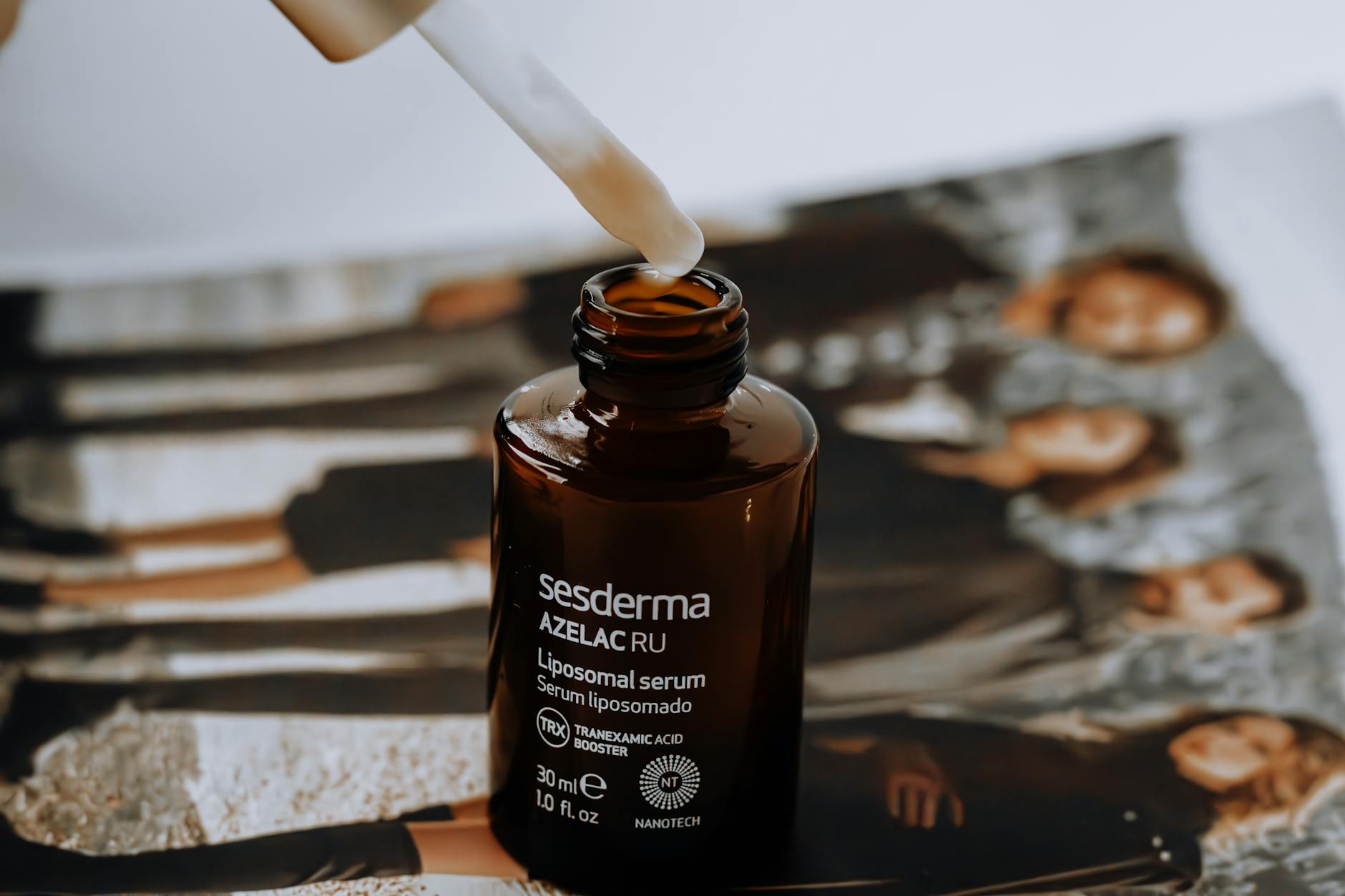
Retinol vs Tretinoin: The Evidence Gap That Explains the Prescription
A systematic review found that four out of nine OTC retinol trials showed no benefit over a plain moisturiser. Meanwhile, prescription tretinoin has decades of strong clinical data. Here is what the evidence actually says about retinol vs tretinoin, and how Australian regulations shape your options.
- skincare
- topical-products
- safety
actives
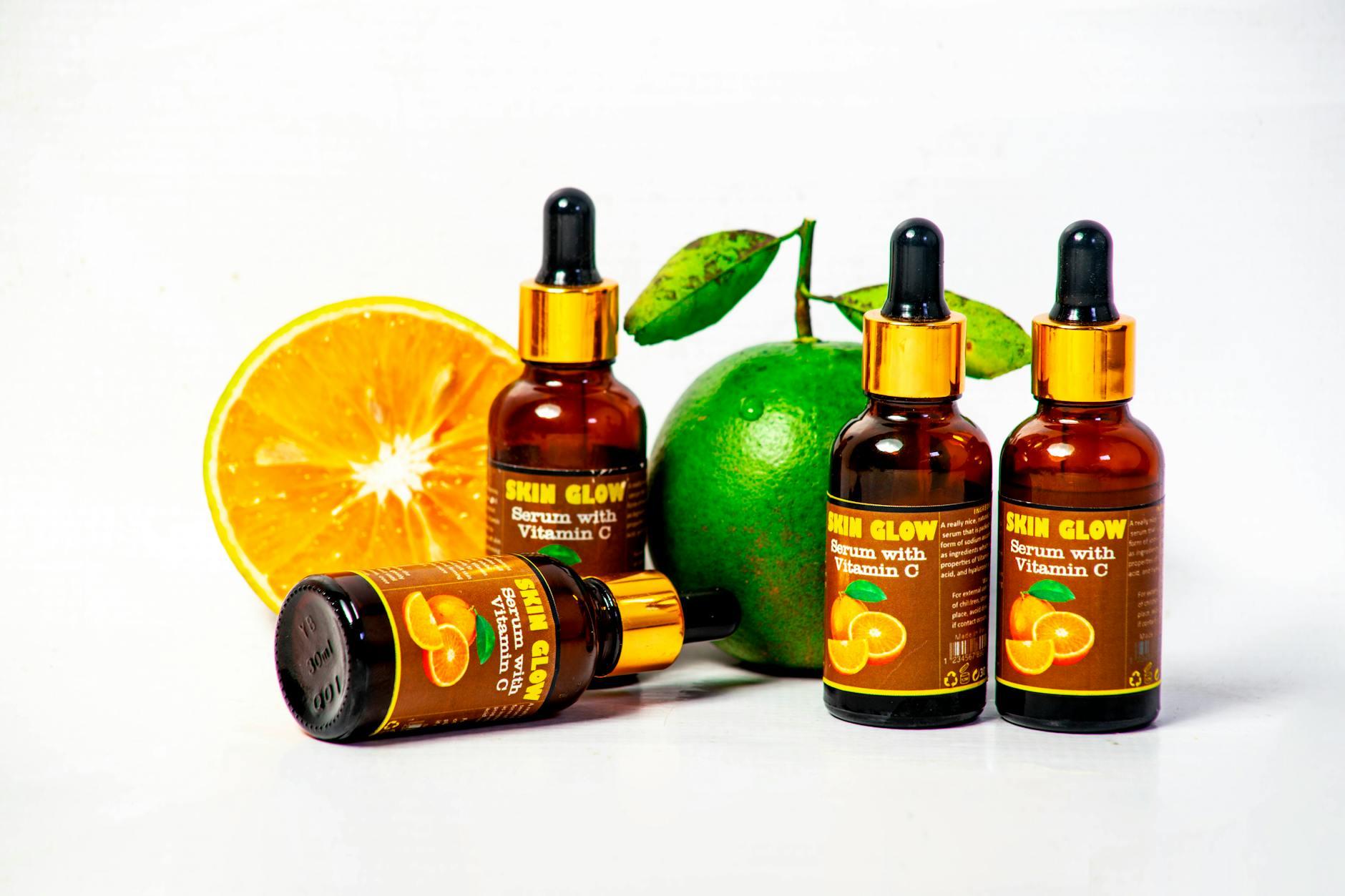
Vitamin C Serum: Why Stability Beats Concentration Every Time
Vitamin C is one of the most studied ingredients in skincare, but stability matters more than concentration. Here is what the clinical evidence actually supports, and what the marketing leaves out.
- skincare
- topical-products
- safety
actives
Chemical vs Physical Exfoliation: AHAs, BHAs, PHAs, and How to Avoid Overdoing It
Two products both say '10% glycolic acid' on the label, but pH makes one dramatically more potent. Learn how AHAs, BHAs, and PHAs work, which suits your skin, and how to avoid over-exfoliation.
- skincare
- topical-products
- safety
actives
Peptides in Skincare: What the Science Says, What the Marketing Skips, and Which Ones Have Real Evidence
Peptides are one of skincare's fastest-growing ingredient categories, and one of its most overpromised. We break down the penetration problem, rank the peptides with real clinical evidence, and explain where they actually fit in an evidence-based routine.
- skincare
- topical-products
- safety
actives
Niacinamide for Skin: Why 2% Beats 10%, and Other Things the Marketing Skips
Niacinamide is one of the best-evidenced skincare actives available, but the race to higher concentrations is driven by marketing, not science. Here is what the research actually supports.
- skincare
- topical-products
- safety

actives
Hyaluronic Acid for Skin: How It Actually Works, Molecular Weight Explained, and Myths Worth Questioning
Hyaluronic acid can hold 1,000 times its weight in water, but the marketing leaves out the parts that matter most. Here is what HA actually does on your skin, why molecular weight changes everything, and how to avoid the common mistakes that can make dryness worse.
- skincare
- topical-products
- safety
actives
Growth Factors in Skincare: The Premium Price Without the Premium Evidence
Growth factors are one of skincare's most premium-priced categories, yet independent evidence remains thin. We review what the research actually shows about EGF penetration, stem cell marketing claims, safety concerns, and whether growth factor serums are worth the investment.
- skincare
- topical-products
- safety
treatments
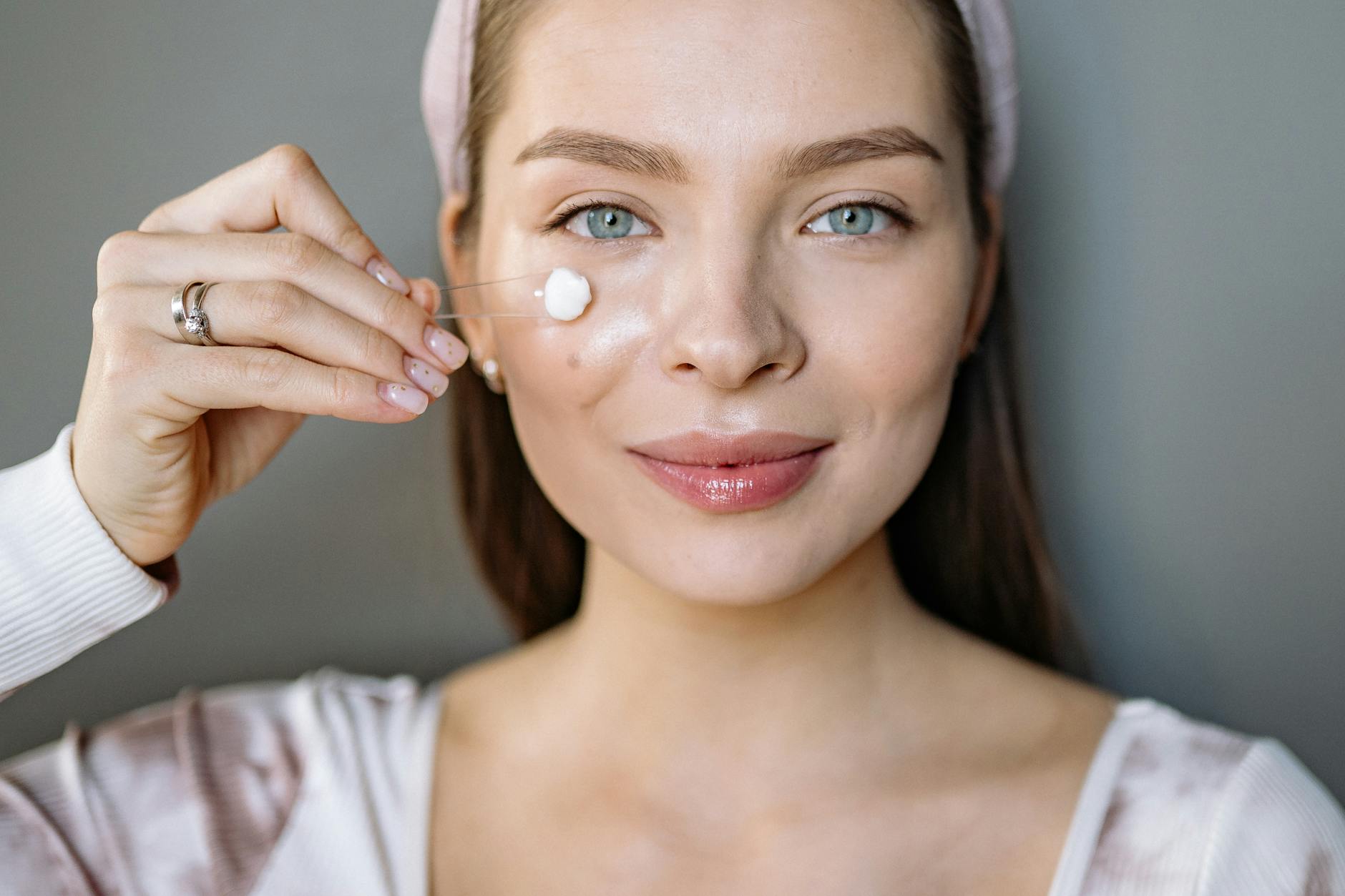
Hyperpigmentation: Why One Serum Won't Fix It
No single OTC ingredient matches hydroquinone for treating dark spots, but clinical trials show that multi-ingredient combinations can. Here is what the evidence says about every major brightening active, and what Australian rules mean for your options.
- skincare
- topical-products
- safety
treatments
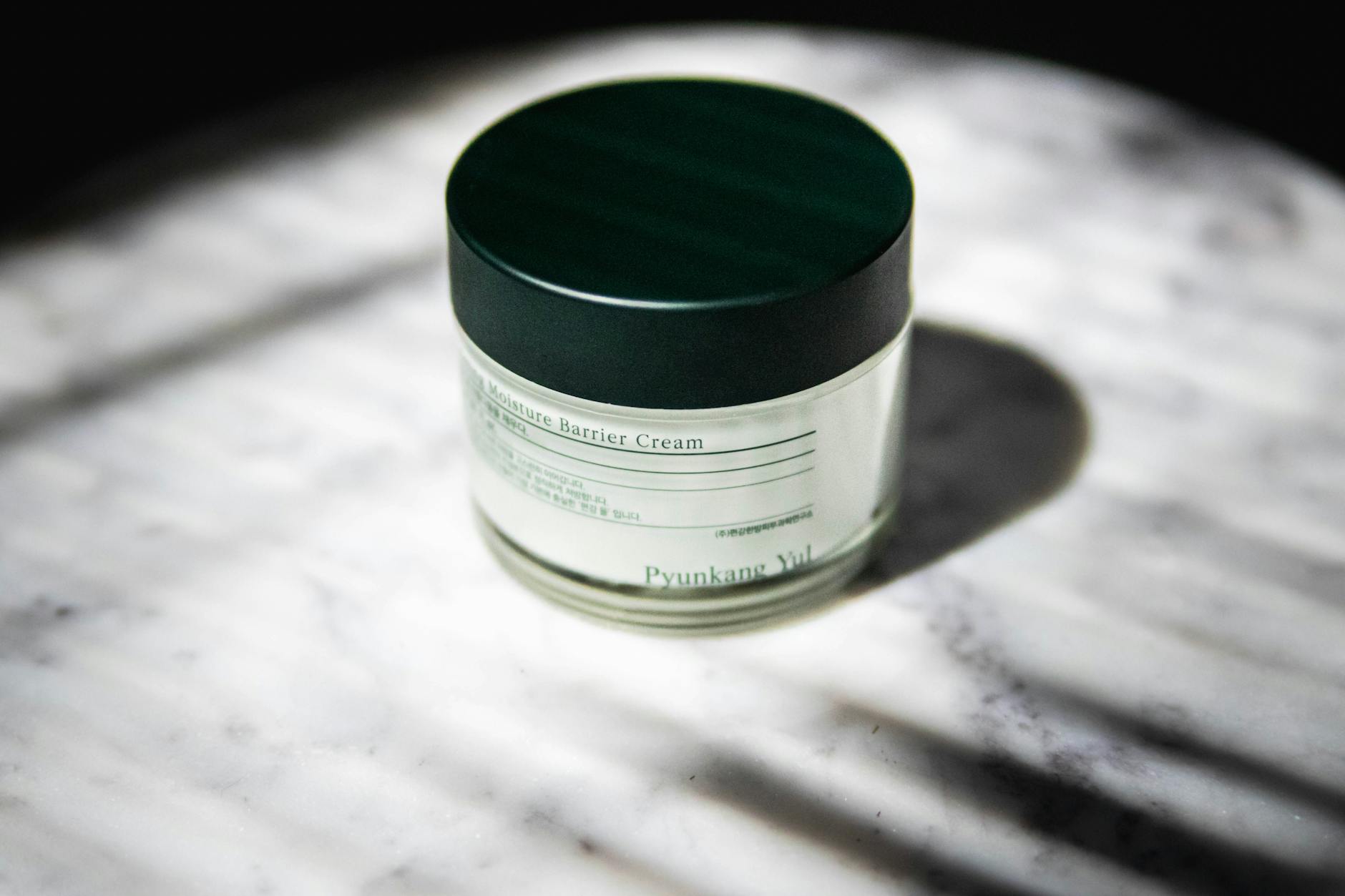
Best Topical Acne Treatment: Ingredients Ranked by Evidence, Concentration Myths, and Australian Access
The best topical acne treatment is not the strongest product on the shelf. This guide ranks acne ingredients by clinical evidence, debunks concentration myths, and explains what you can access in Australia with and without a prescription.
- skincare
- topical-products
- safety
treatments
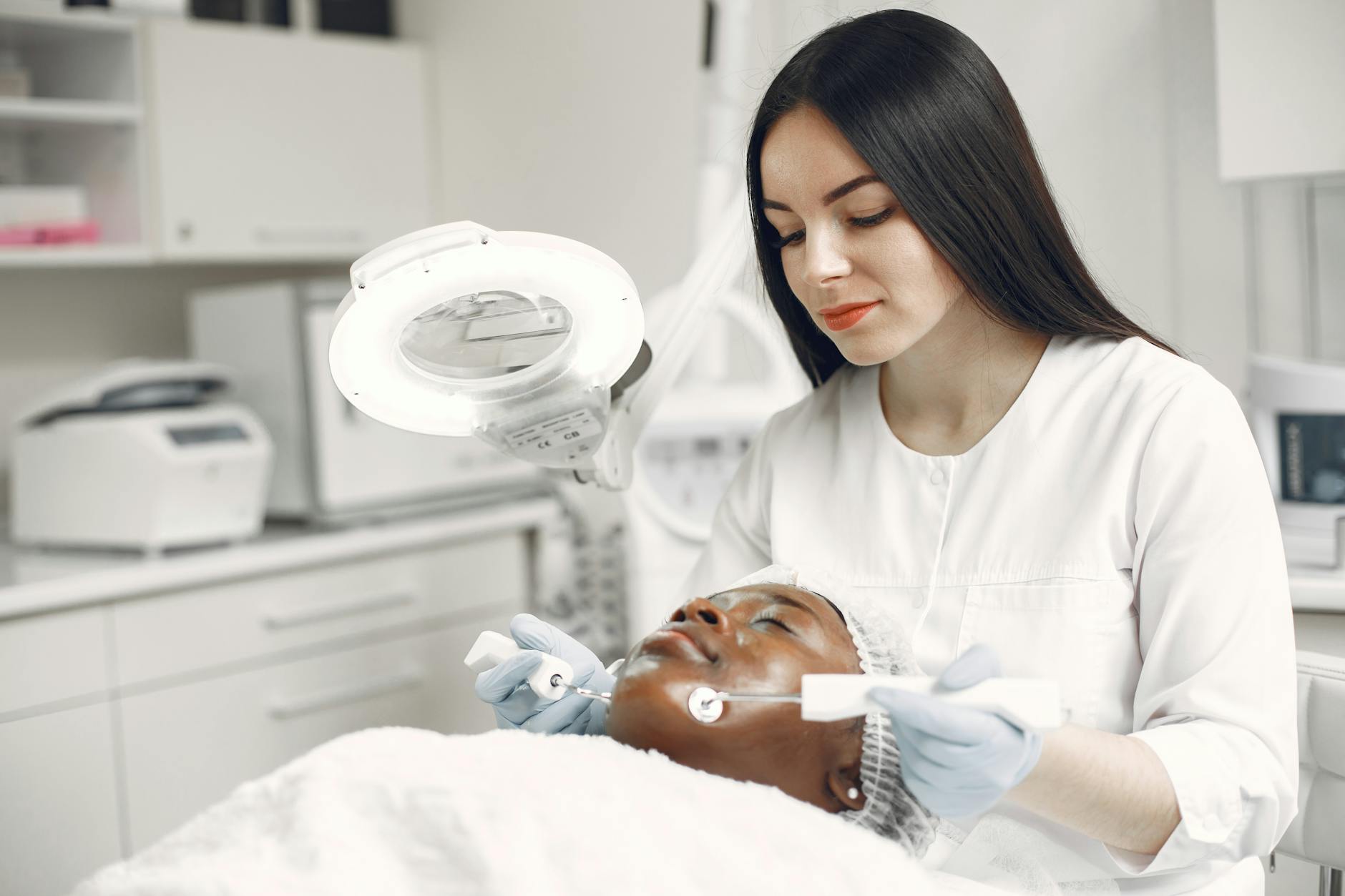
Skin Barrier Repair: The Lipid Ratio That Matters, Realistic Recovery Timelines, and When You Actually Need It
A landmark study found that applying ceramides alone to damaged skin actually slowed recovery. Only a complete lipid mixture at a specific ratio restored the barrier normally. Here is what the science says about skin barrier repair, realistic timelines, and when you actually need it.
- skincare
- topical-products
- safety
treatments
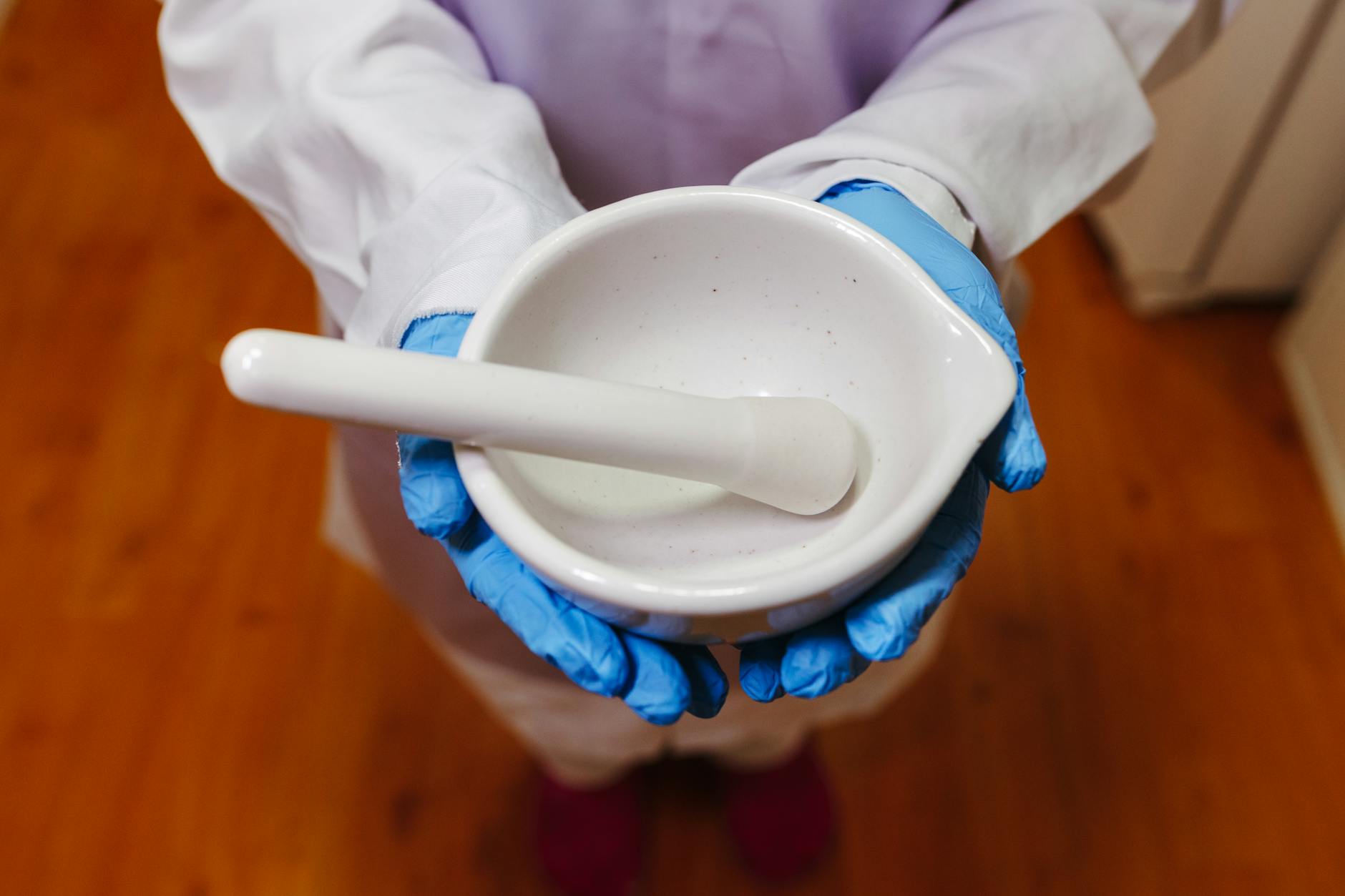
Post-Procedure Skincare: A Phase-by-Phase Guide to What Your Skin Needs (and What to Avoid)
Your skin barrier is temporarily vulnerable after a cosmetic procedure. This phase-by-phase guide covers which ingredients help recovery, which ones to avoid, and when to safely resume your normal routine.
- skincare
- topical-products
- safety
treatments
Compounded Skincare Products: When They're Worth It, What the Risks Are, and How Australia Regulates Them
Independent testing found that 27% of compounded medications failed potency standards. That does not make them bad. It means compounded skincare products occupy a different quality tier, and understanding the difference helps you make an informed decision.
- skincare
- topical-products
- safety