
Treatments
5 articles
treatments
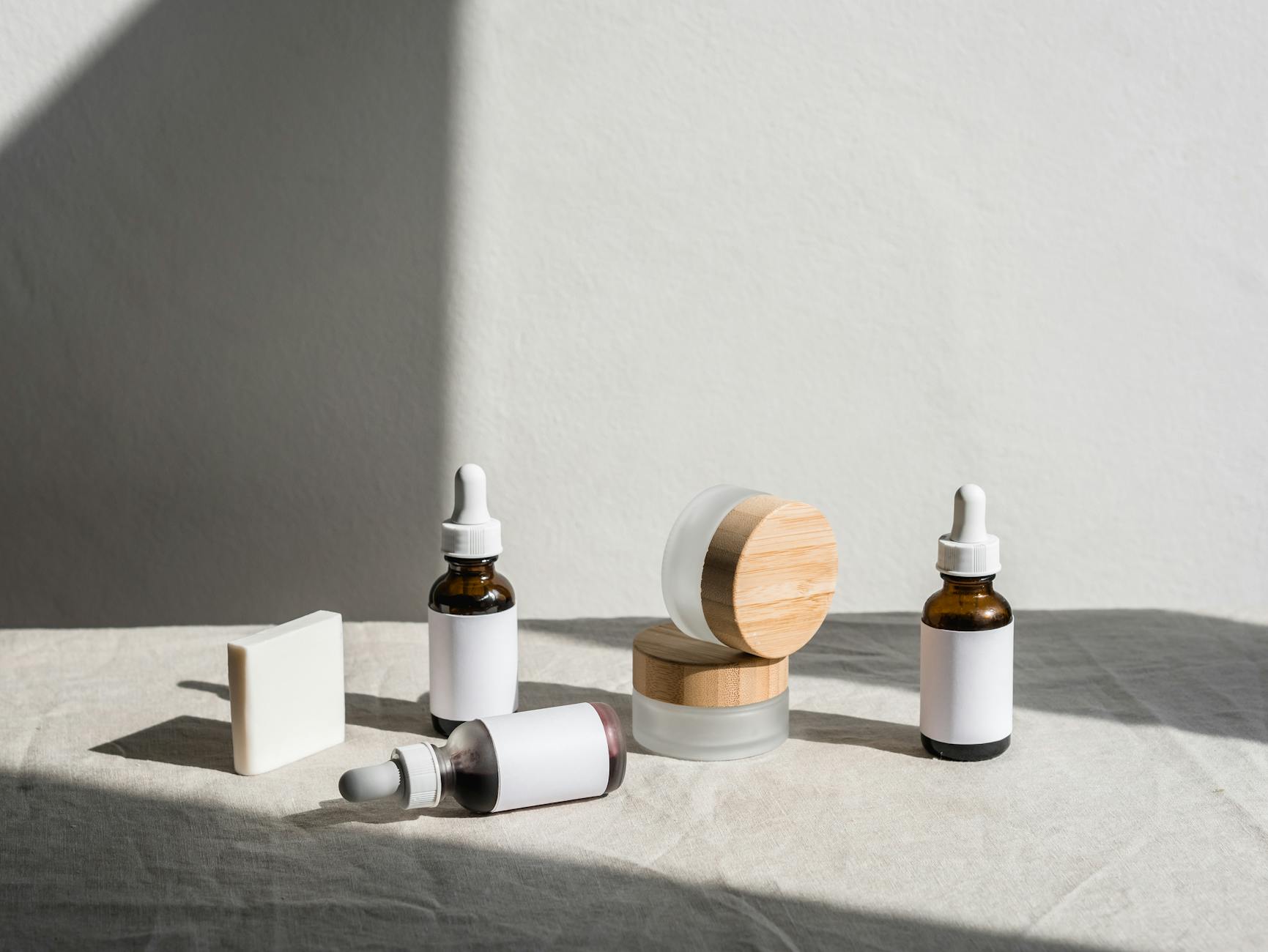
Hyperpigmentation: Why One Serum Won't Fix It
No single OTC ingredient matches hydroquinone for treating dark spots, but clinical trials show that multi-ingredient combinations can. Here is what the evidence says about every major brightening active, and what Australian rules mean for your options.
- skincare
- topical-products
- safety
treatments
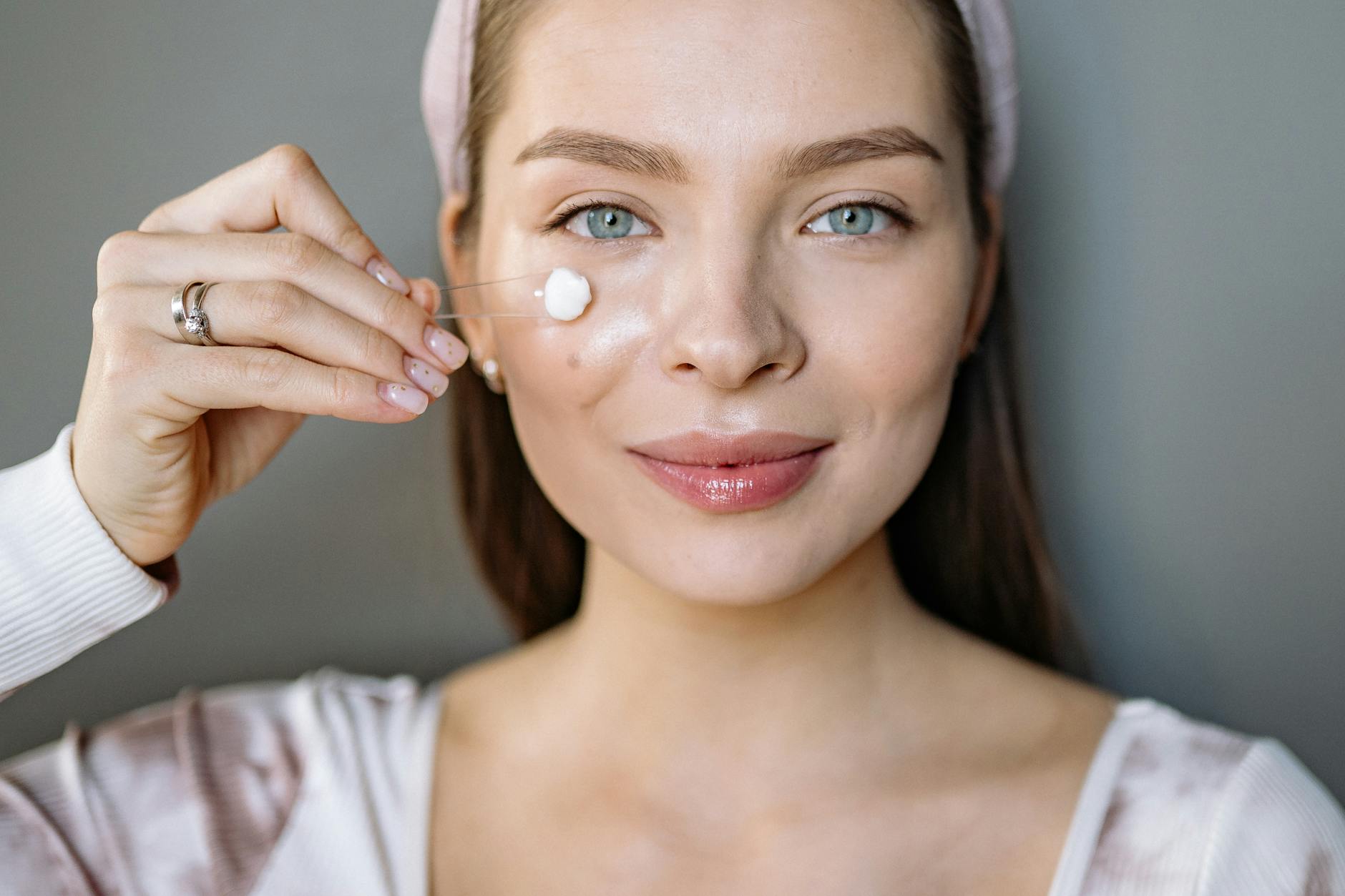
Best Topical Acne Treatment: Ingredients Ranked by Evidence, Concentration Myths, and Australian Access
The best topical acne treatment is not the strongest product on the shelf. This guide ranks acne ingredients by clinical evidence, debunks concentration myths, and explains what you can access in Australia with and without a prescription.
- skincare
- topical-products
- safety
treatments
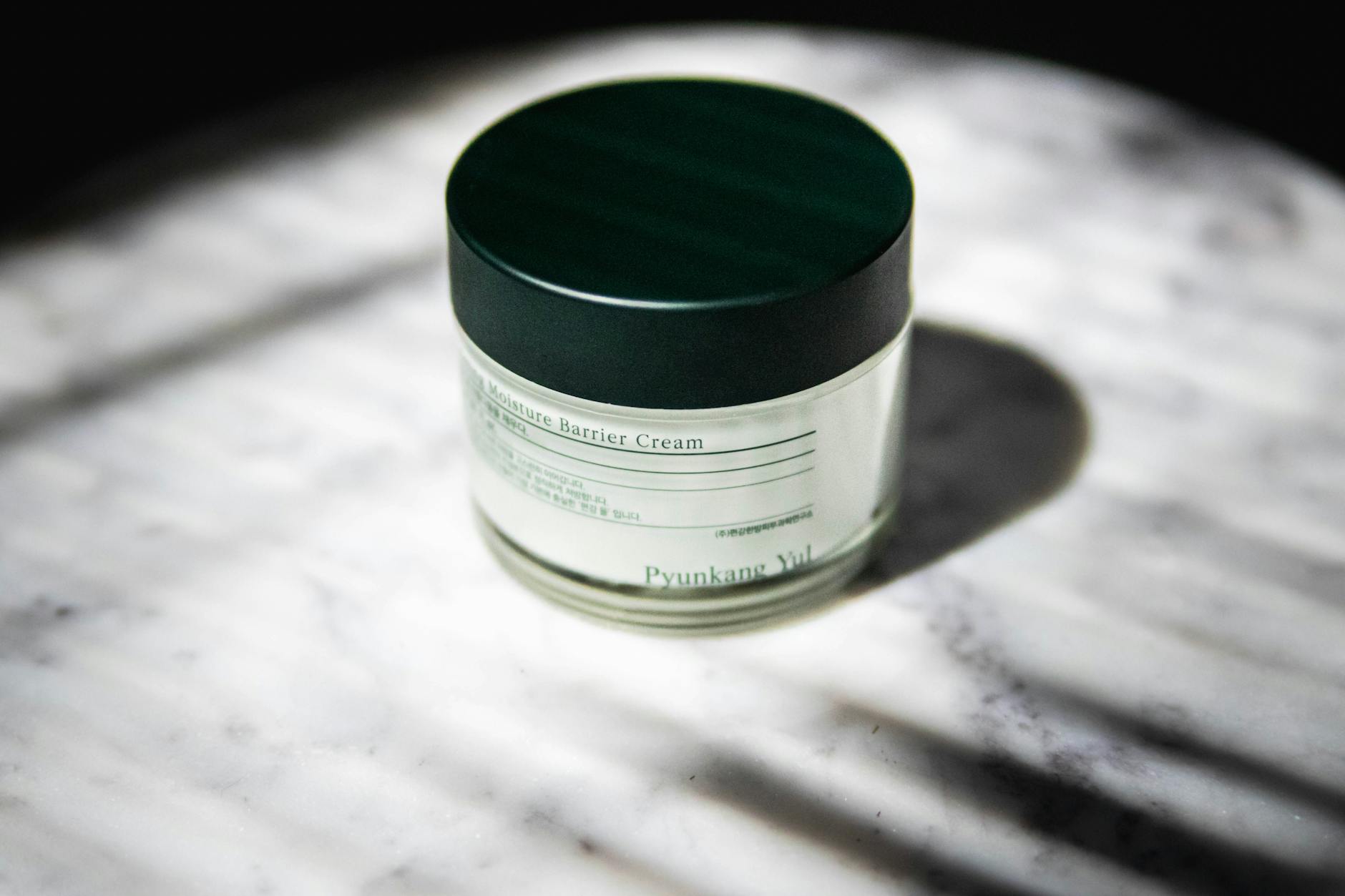
Skin Barrier Repair: The Lipid Ratio That Matters, Realistic Recovery Timelines, and When You Actually Need It
A landmark study found that applying ceramides alone to damaged skin actually slowed recovery. Only a complete lipid mixture at a specific ratio restored the barrier normally. Here is what the science says about skin barrier repair, realistic timelines, and when you actually need it.
- skincare
- topical-products
- safety

treatments
Post-Procedure Skincare: A Phase-by-Phase Guide to What Your Skin Needs (and What to Avoid)
Your skin barrier is temporarily vulnerable after a cosmetic procedure. This phase-by-phase guide covers which ingredients help recovery, which ones to avoid, and when to safely resume your normal routine.
- skincare
- topical-products
- safety
treatments
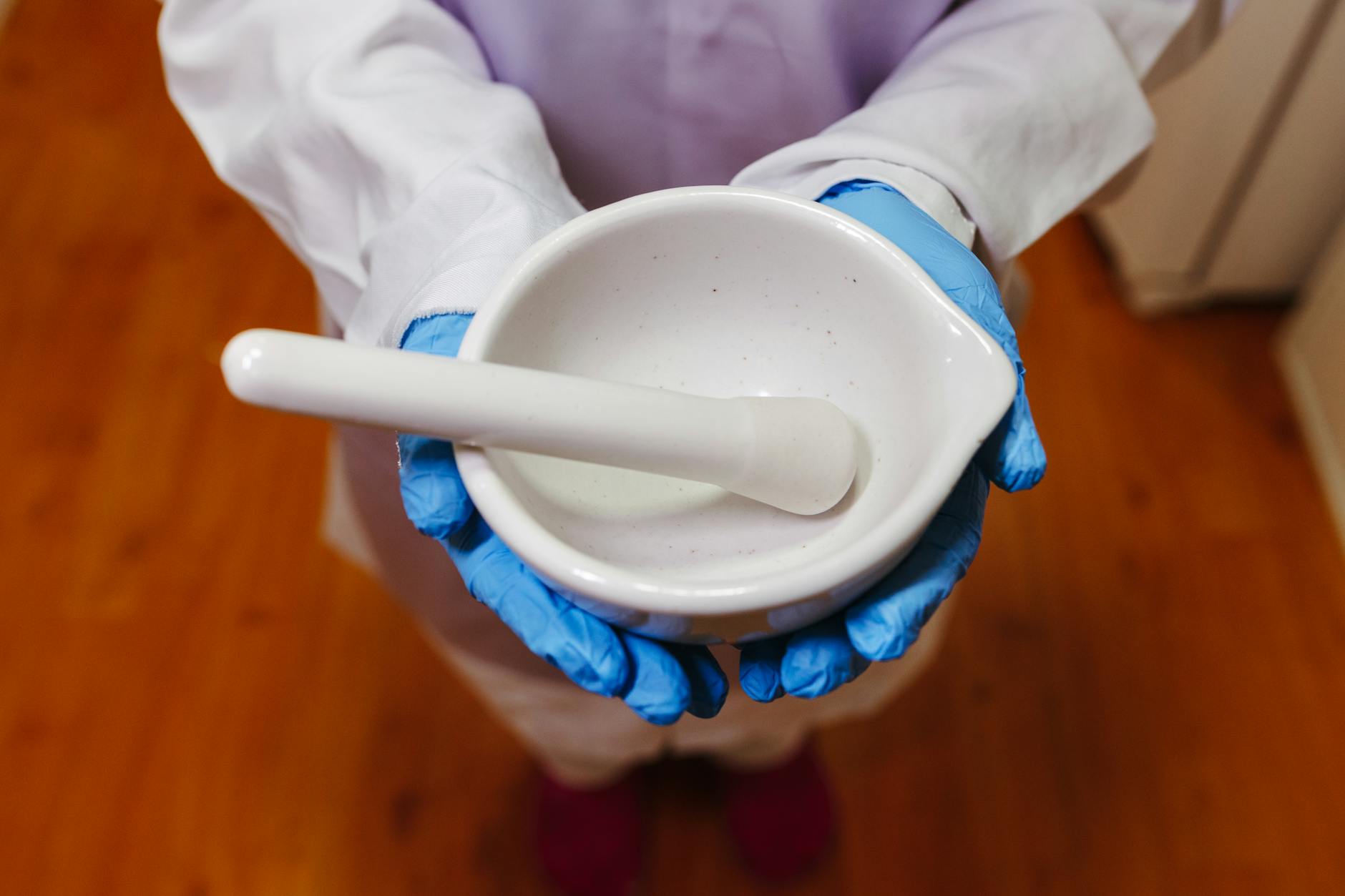
Compounded Skincare Products: When They're Worth It, What the Risks Are, and How Australia Regulates Them
Independent testing found that 27% of compounded medications failed potency standards. That does not make them bad. It means compounded skincare products occupy a different quality tier, and understanding the difference helps you make an informed decision.
- skincare
- topical-products
- safety