
Chemical vs Physical Exfoliation: AHAs, BHAs, PHAs, and How to Avoid Overdoing It
Two products both say '10% glycolic acid' on the label, but pH makes one dramatically more potent. Learn how AHAs, BHAs, and PHAs work, which suits your skin, and how to avoid over-exfoliation.
- skincare
- topical-products
- safety
Chemical vs Physical Exfoliation: AHAs, BHAs, PHAs, and How to Avoid Overdoing It
Two products both say "10% glycolic acid" on the label. One is formulated at pH 2.5, the other at pH 4.5. The first is dramatically more potent, yet nothing on the packaging tells you this. That single detail, the pH of the formula, can be the difference between a product that gently refines your skin and one that leaves it red and stinging. When it comes to chemical vs physical exfoliation, understanding what you are actually applying matters more than most skincare content lets on.
Exfoliation can genuinely improve skin texture, tone, and clarity. But between the alphabet soup of AHAs, BHAs, and PHAs, the confusing concentration percentages, and the relentless marketing of "glow-giving" acids, it is easy to overdo it. This guide breaks down how each type of exfoliant works, which one suits your skin, and how to avoid the surprisingly common trap of over-exfoliation.
Chemical vs Physical Exfoliation: What Is the Difference?
Before choosing a product, it helps to understand the two fundamentally different approaches to removing dead skin cells.
How Chemical Exfoliants Work
Chemical exfoliants use acids or enzymes to dissolve the intercellular "cement" (called desmosomes) that holds dead skin cells together on the surface. Instead of physically scrubbing cells away, these products loosen the bonds so dead skin sheds more efficiently on its own.
The result is smoother texture, more even tone, and accelerated cell turnover. Because the process is chemical rather than mechanical, it tends to deliver more controlled, even exfoliation across the skin. As Lab Muffin Beauty Science explains, chemical exfoliants offer better control and less micro-trauma than traditional scrubs, making them a strong choice for people who want consistent results without the abrasion.
How Physical Exfoliants Work
Physical exfoliants take a more direct approach. Abrasive particles, brushes, or textured cloths manually remove dead cells from the skin surface. The appeal is obvious: you can feel it working, and the skin often looks smoother straight away.
The tradeoff is a higher risk of micro-tears and inflammation, particularly with harsh formulas containing sharp particles like walnut shell or apricot kernel. Many dermatologists now recommend chemical exfoliation over abrasive scrubs for this reason, as noted by Harvard Health in 2024. Physical exfoliation is not inherently bad, though. Gentle cloths, soft jojoba beads, and konjac sponges can work well when used with a light hand.
Is Chemical Exfoliation Better Than Physical?
For most people, yes. Chemical exfoliants deliver more consistent results with less irritation risk and are easier to control. You apply them and let the formula do the work, which removes the variable of how hard you scrub.
Physical exfoliation still has a place for those who prefer a mechanical approach, particularly if the product is gentle and the technique is careful. The honest answer is that either method can damage your skin if overdone. The best exfoliant is the one you use correctly and consistently without pushing past what your skin can handle.
AHA vs BHA: Which Acid Is Right for Your Skin?
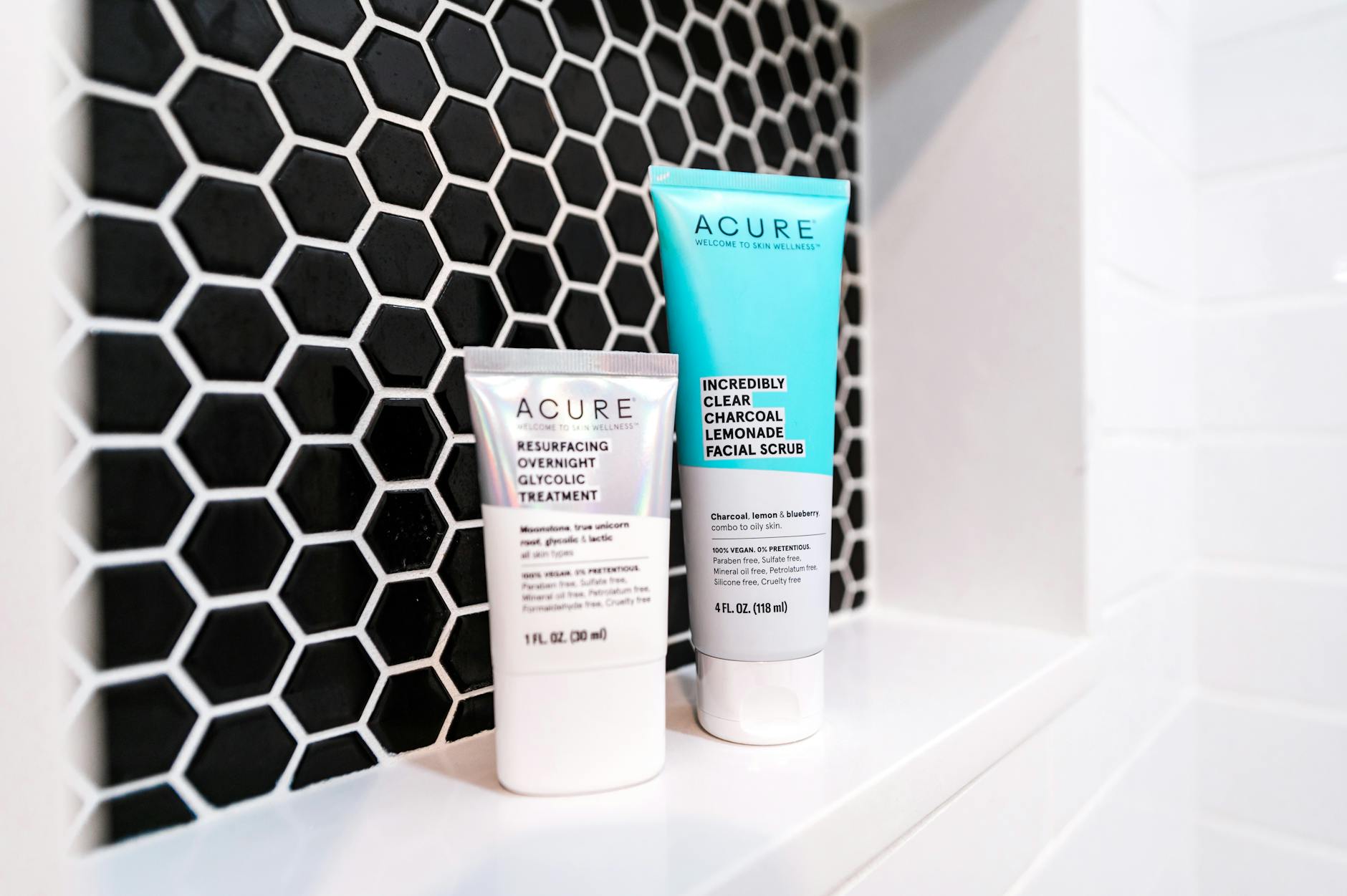
Once you have decided to try chemical exfoliation, the next question is which acid to choose. The three main families (AHAs, BHAs, and PHAs) each have distinct properties that suit different skin types and concerns.
AHAs (Glycolic Acid, Lactic Acid): Surface-Level Exfoliation
Alpha hydroxy acids are water-soluble, meaning they work primarily on the skin surface. Glycolic acid exfoliation is the most popular AHA approach because glycolic acid has the smallest molecular weight of all AHAs, allowing it to penetrate more deeply than its relatives. A 2023 review in the journal Cosmetics confirmed this molecular advantage and its relevance to clinical outcomes (Sander et al., 2023).
For at-home use, effective concentrations typically range from 5% to 10% for daily application, with clinical studies examining concentrations up to 17%. AHAs are particularly well suited for addressing sun damage, uneven texture, fine lines, and dull skin. If your skin is dry or normal and your main concerns are surface-level, an AHA is a solid starting point.
Lactic acid deserves a mention too. It is gentler than glycolic acid due to its larger molecular size and also has humectant properties, meaning it helps the skin retain moisture while exfoliating. For anyone new to acids, lactic acid is often a friendlier introduction.
BHAs (Salicylic Acid): Pore-Penetrating Exfoliation
Beta hydroxy acids, most commonly salicylic acid, are oil-soluble. This is the key difference from AHAs: because BHAs dissolve in oil, they can penetrate into pores and work beneath the surface to dissolve sebum and debris.
This makes salicylic acid significantly more effective for acne-prone and oily skin. It also has anti-inflammatory properties, which means it is generally better tolerated by breakout-prone skin than AHAs. If blackheads, congestion, enlarged pores, or excess oil are your primary concerns, a BHA is likely the better choice in the AHA vs BHA skincare comparison.
What Is a PHA Exfoliant?
Polyhydroxy acids (PHAs) are the less well-known members of the acid family, and they deserve more attention. The most common PHAs are gluconolactone and lactobionic acid. Their defining characteristic is a larger molecular size, which means they penetrate the skin more slowly and gently than AHAs.
A 2019 study by Groh and Bhatt published in the Journal of Cosmetic Dermatology found that both 10% and 30% gluconolactone peels reduced transepidermal water loss (TEWL) and sebum levels over four weeks. As Chemist Confessions notes, polyhydroxy acid products may be underrated relative to AHAs for sensitive skin types.
If your skin reacts to glycolic or salicylic acid, or if you have a condition like rosacea or eczema that makes your skin more reactive, PHAs are worth exploring. They also have antioxidant and humectant properties, which gives them a slight edge in the moisturising department.
Why pH Matters as Much as Concentration
This is where exfoliation gets genuinely interesting, and where most skincare content falls short. Concentration gets all the attention on product labels, but pH is equally important in determining how a product actually performs on your skin.
The pH-Concentration Interaction
Here is the key concept: 10% glycolic acid at pH 2.5 is far more potent than 10% glycolic acid at pH 4.5. The pH determines how much "free acid" is available to actually exfoliate your skin, as explained by Dermatologist's Choice. At a lower pH, more of the acid is in its active, un-ionised form. At a higher pH, more of it is neutralised.
Most product labels show the acid concentration but not the pH, which makes it genuinely difficult to compare products on the shelf. Two products with identical concentration percentages can behave very differently on your skin.
Research by Narda and colleagues published in the Journal of Cosmetic Dermatology in 2021 found that glycolic acid adjusted to pH 4 stimulated collagen production and epidermal renewal without increasing pro-inflammatory TNF-alpha. This suggests that a pH around 4 represents a practical sweet spot: effective exfoliation with a lower risk of irritation.
What This Means for Choosing Products
The practical implication is that a lower-concentration product at a lower pH can actually be more active than a higher-concentration product at a higher pH. This is why chasing the highest percentage on the label is not necessarily the smartest approach.
Products formulated at around pH 4 tend to hit a good balance between efficacy and tolerability for at-home use. If you want to know the pH of a product you are considering, contact the brand directly (reputable brands will share this) or test it yourself with inexpensive pH strips.
Professional peels, which use concentrations of 20% to 70% at much lower pH levels, are a different category entirely. These should only be administered by qualified practitioners who can assess your skin and manage any adverse reactions.
What Are the Signs of Over-Exfoliation?
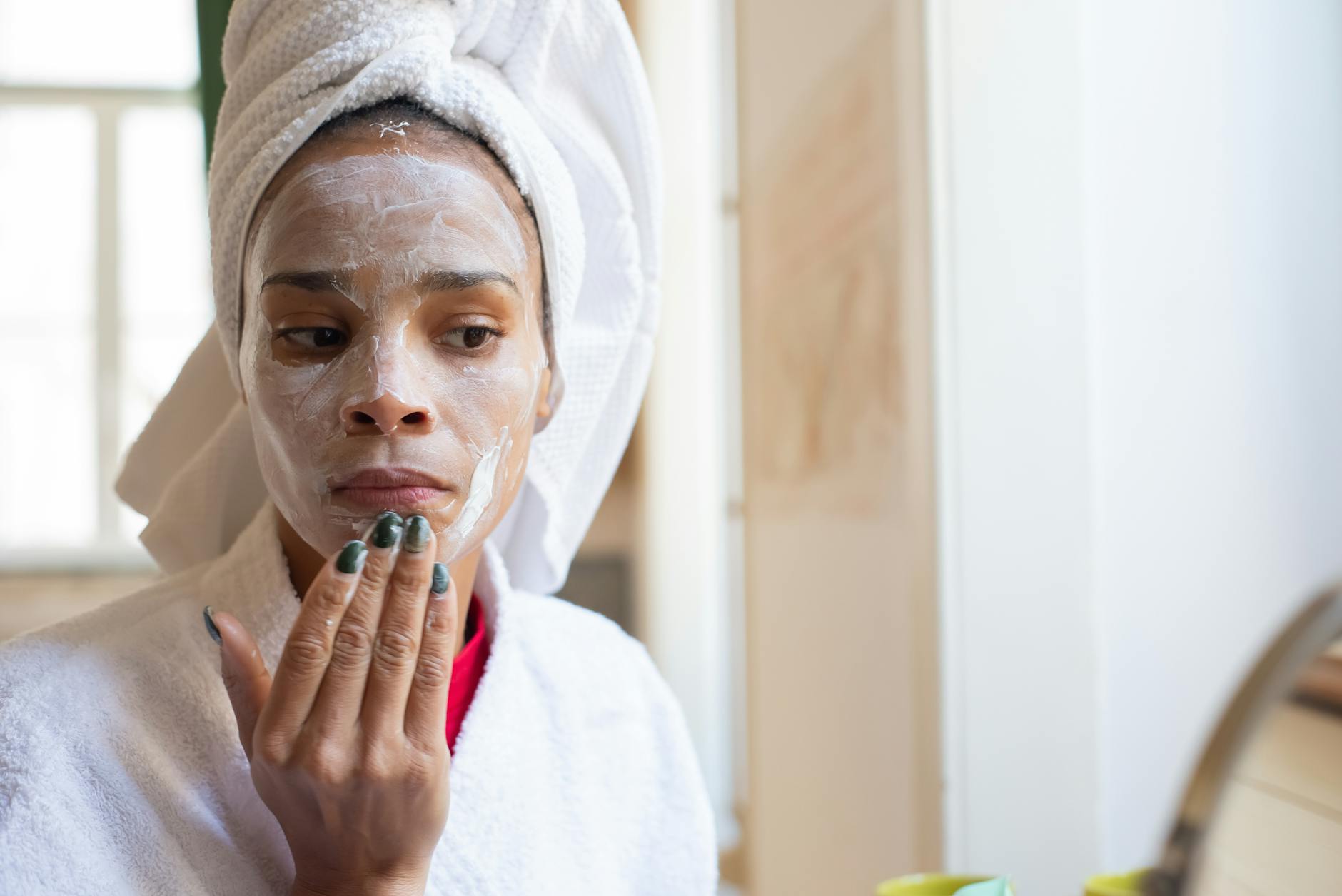
This is the part of exfoliation that does not get enough attention. Acids are effective, but more is not better, and the line between "good exfoliation" and over exfoliation skin damage is easier to cross than you might think.
How Over-Exfoliation Damages the Skin Barrier
Over-exfoliation happens when you strip the skin barrier faster than it can repair itself. The barrier is a protective layer of lipids and dead skin cells that keeps moisture in and irritants out. When you exfoliate too aggressively or too frequently, you compromise this defence.
The warning signs include:
- Persistent redness that does not resolve
- Stinging or burning when you apply basic products (even moisturiser or plain water)
- Increased oiliness as the skin tries to compensate
- Paradoxically, more breakouts
As Harvard Health notes, both physical and chemical exfoliation can do more harm than good when overdone.
How Long Does It Take for Over-Exfoliated Skin to Heal?
The good news is that over-exfoliated skin can recover. The less good news is that it takes time: typically two to four weeks, which is roughly the length of a full skin cell turnover cycle.
During recovery, the approach is simple but requires discipline. Stop all active ingredients (acids, retinoids, vitamin C). Simplify your routine to three products: a gentle cleanser, a basic moisturiser, and sunscreen. Let your barrier rebuild without interference.
One common question is whether exfoliation can cause breakouts. The answer is yes, but for two different reasons. Over-exfoliation can trigger breakouts by damaging the barrier.
Separately, when you first start using an exfoliant, you may experience "purging" as accelerated cell turnover brings existing congestion to the surface faster. Purging is temporary and typically resolves within a few weeks, while barrier damage breakouts persist until the barrier heals.
How Often Should You Exfoliate?
Frequency is where most people go wrong with exfoliation. The answer to how often to exfoliate depends on your skin type, the product you are using, and what else is in your routine.
Frequency by Skin Type
For most skin types, one to three times per week with a chemical exfoliant is a reasonable range. Sensitive skin does better with once weekly or less, and PHAs are often a smarter choice than AHAs for reactive complexions. Oily and acne-prone skin can generally tolerate BHA (salicylic acid) more frequently due to its anti-inflammatory properties.
The most important rule: never combine multiple exfoliating products in the same routine without building tolerance first. Using an AHA toner followed by a BHA serum in the same session is a fast track to barrier damage, no matter how resilient your skin feels.
Fitting Exfoliation into a Routine
Start low and go slow. Begin with the lowest available concentration, use it once per week, and increase gradually only if your skin tolerates it well. This is not overcautious advice; it is how dermatologists recommend introducing any active ingredient.
Do not combine strong chemical exfoliants with retinoids on the same night, as both accelerate cell turnover and using them together multiplies the irritation risk. Always follow exfoliation with a moisturiser, and apply sunscreen the next morning without exception. Exfoliation increases photosensitivity, making sun protection even more critical.
If you are using other actives like vitamin C or retinol, alternate nights to give your skin adequate recovery time. Pairing exfoliation with a well-formulated cleanser also matters; a harsh or stripping cleanser can amplify irritation from acids. A thoughtful routine with fewer products used correctly will always outperform an aggressive one that overwhelms your barrier.
Finding the Right Exfoliation Routine for Your Skin
Chemical vs physical exfoliation comes down to control and consistency. Chemical exfoliation (AHAs, BHAs, or PHAs) offers more predictable results than physical scrubs for most people, and understanding pH alongside concentration helps you make smarter product choices.
The key is starting conservatively and paying attention to how your skin responds. More acid, more often, is not the path to better skin. If you are using exfoliants alongside cosmetic treatments, an AHPRA-registered practitioner can help you build a routine that supports your treatment goals without compromising your skin barrier.
Sources
- Lab Muffin Beauty Science: Chemical exfoliation explained. https://labmuffin.com/chemical-exfoliants-explained/
- Harvard Health Publishing (2024): The truth about exfoliation. https://www.health.harvard.edu/blog/the-truth-about-exfoliation
- Sander, N. et al. (2023): "Alpha-Hydroxy Acids in Dermatological Practice." Cosmetics, 10(5), 131. https://doi.org/10.3390/cosmetics10050131
- Narda, M. et al. (2021): "A novel glycolic acid formulation at pH 4 induces skin renewal without inflammation." Journal of Cosmetic Dermatology, 20(11), 3513-3521. https://doi.org/10.1111/jocd.14052
- Dermatologist's Choice: Understanding free acid value and pH in skincare. https://www.dermatologistschoice.com/free-acid-value
- Chemist Confessions: PHA guide for sensitive skin. https://www.chemistconfessions.com
- Groh, D. and Bhatt, V. (2019): "Polyhydroxy acid peels: effects on TEWL and sebum over 4 weeks." Journal of Cosmetic Dermatology, 18(5), 1454-1459. https://doi.org/10.1111/jocd.12834
Photos by The Design Lady, Andrea Davis, and Kampus Production on Pexels
This content is for general educational purposes only and does not constitute medical advice, diagnosis, or treatment. Always consult a qualified, AHPRA-registered health practitioner before undergoing any cosmetic procedure. Individual results vary; outcomes shown or described may not reflect your experience. All cosmetic procedures carry risks.