
Niacinamide for Skin: Why 2% Beats 10%, and Other Things the Marketing Skips
Niacinamide is one of the best-evidenced skincare actives available, but the race to higher concentrations is driven by marketing, not science. Here is what the research actually supports.
- skincare
- topical-products
- safety
Niacinamide for Skin: Why 2% Beats 10%, and Other Things the Marketing Skips
A 2% niacinamide formulation reduced transepidermal water loss by 24% and increased skin hydration by 35%, according to research published in the International Journal of Cosmetic Science (Draelos et al., 2005). At 5%, it matched hydroquinone for treating melasma with fewer side effects. Yet brands keep pushing 10%, 12%, even 20% serums. If you have been shopping for niacinamide for skin, you have probably noticed this pattern: the science says one thing, and the marketing says another.
Niacinamide is genuinely one of the best-evidenced skincare actives on the market. The clinical research behind it is broad, consistent, and surprisingly practical. But the race to higher concentrations is driven by label appeal, not peer-reviewed data. This article breaks down what the niacinamide benefits evidence actually shows, where the sweet spot sits, and which popular claims deserve a closer look.
What Does Niacinamide Do for Your Skin?
The Ceramide Factory in Your Skin
Your skin barrier depends on ceramides, cholesterol, and fatty acids to stay intact and hold moisture in. When that barrier weakens, you get dryness, irritation, and increased sensitivity. This is where niacinamide becomes genuinely interesting.
Research published by Tanno and colleagues in the British Journal of Dermatology (2000) found that niacinamide upregulates serine palmitoyltransferase (SPT), the rate-limiting enzyme in sphingolipid synthesis. In practical terms, it tells your skin to produce more of the lipids it needs. The results were striking: ceramide biosynthesis increased 4.1 to 5.5-fold, glucosylceramide rose 7.4-fold, and sphingomyelin increased 3.1-fold.
What makes this mechanism valuable is that niacinamide teaches your skin to build its own barrier lipids rather than simply layering on topical ceramides that sit on the surface. If you want to understand more about why the skin barrier matters, our guide to barrier repair products covers the fundamentals. A 2025 study published in Scientific Reports added another dimension, showing that niacinamide also enhances stratum corneum water uptake at high humidity and plasticises keratin at low humidity. That means it helps your skin adapt to different environments, not just patch over existing damage.
Beyond the Barrier: A Versatile Active
Barrier repair alone would make niacinamide worth considering, but the evidence goes further. For hyperpigmentation, niacinamide works by inhibiting the transfer of melanosomes from melanocytes to surrounding keratinocytes. This is a different and generally safer mechanism than hydroquinone, which directly targets melanin production.
Niacinamide also regulates sebum production without stripping your skin, making it useful for oily and combination skin types. Its anti-inflammatory properties help calm redness and irritation, which is why you will find it in formulations designed for sensitive and reactive skin.
A 2024 review in the Journal of Cosmetic Dermatology described niacinamide as "one of the most versatile cosmeceutical actives with therapeutic implications beyond cosmetics." That is a strong endorsement from a peer-reviewed source, and the breadth of clinical data backs it up.
What Niacinamide Concentration for Skin Works Best?
This is the question that separates evidence-based skincare from marketing hype. Understanding the right niacinamide concentration percentage can save you money and spare your skin unnecessary irritation.
The Clinical Sweet Spot: 2 to 5%
The clinical evidence clusters around a fairly narrow range. At 2%, research by Draelos and colleagues in the International Journal of Cosmetic Science (2005) demonstrated a 24% reduction in transepidermal water loss (TEWL) and a 35% increase in skin hydration. These are meaningful, measurable improvements in barrier function.
At 4%, a double-blind randomised controlled trial published in the Indian Journal of Dermatology, Venereology and Leprology (Navarrete-Solis et al., 2011) found that niacinamide was comparable to 4% hydroquinone for treating melasma, with fewer side effects. That is a significant finding, because hydroquinone carries risks including ochronosis with long-term use.
At 5%, research by Hakozaki and colleagues in the British Journal of Dermatology (2002) showed significant reduction in hyperpigmentation after just four weeks. This concentration consistently appears in clinical literature as the point where efficacy and tolerability are well balanced.
Is 10% Niacinamide Too Much?
Safety data indicates that niacinamide does not cause significant stinging at concentrations up to 10%, and irritation is minimal up to 5% in use tests. So a 10% serum is not dangerous. But the clinical evidence does not show proportional benefit above 5%.
Higher concentrations increase the risk of irritation and flushing without delivering proven additional benefit. The skincare chemists at Chemist Confessions (2021) have been straightforward about this: most clinical evidence supports 2 to 5%, and higher concentrations are "largely a marketing strategy." This assessment aligns with the peer-reviewed literature, which consistently finds the strongest results in that lower range.
The logic behind high-concentration products is simple. A bigger number on the label implies a stronger product. Consumers assume more is better, and brands respond to that assumption. But when it comes to niacinamide, the evidence tells a different story. You are better off with a well-formulated 4 or 5% product than a 10% serum that might irritate your skin for no additional payoff.
Can You Use Niacinamide and Vitamin C Together?
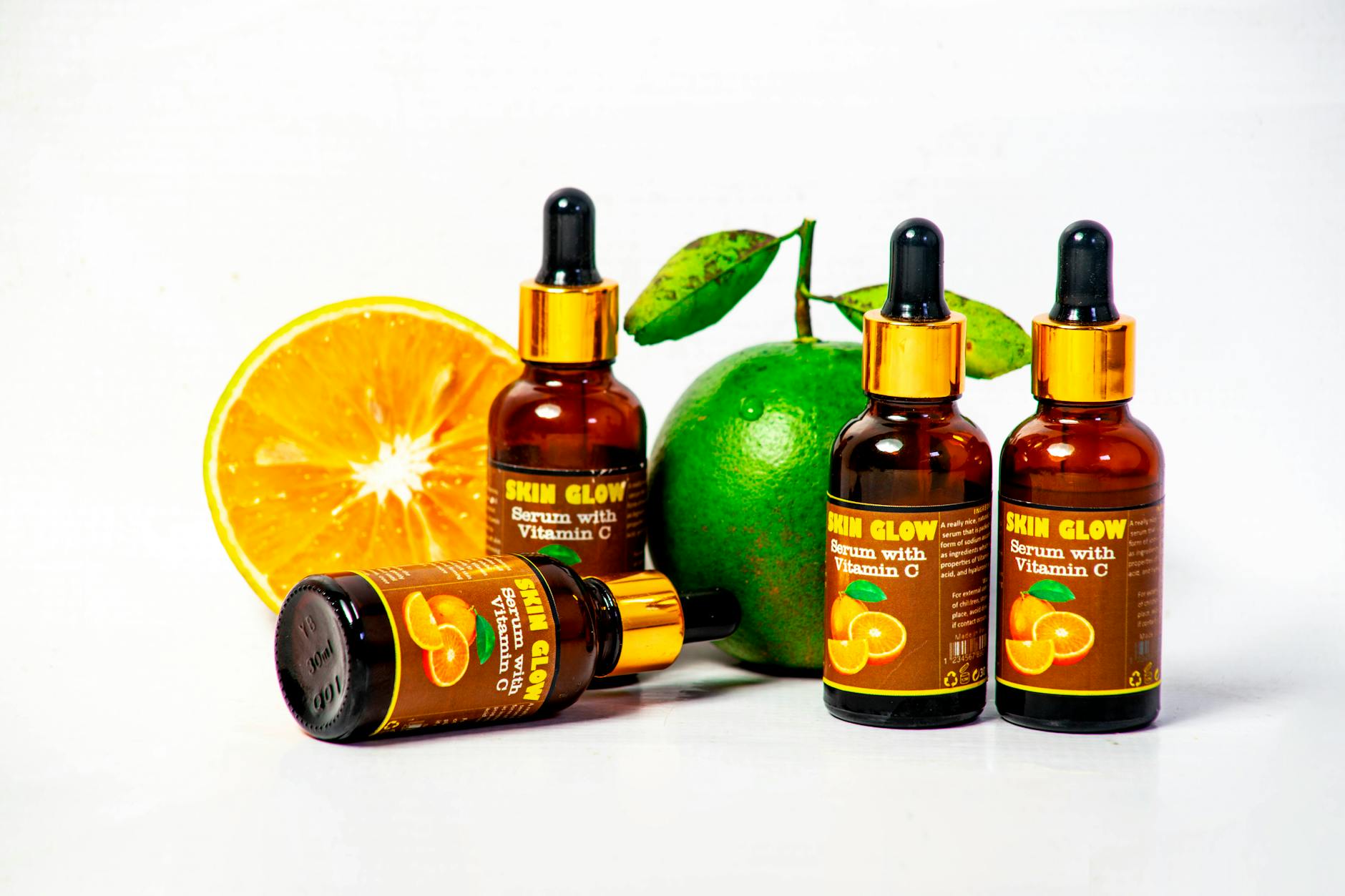
This is one of the most persistent myths in skincare, and it is worth addressing head-on. If you have heard that using niacinamide and vitamin C together causes problems, here is what actually happened.
Where the Myth Came From
The concern traces back to a decades-old study conducted under extreme conditions, specifically high heat and strongly acidic pH. Under those specific circumstances, niacinamide and ascorbic acid can react to form nicotinic acid, which causes flushing and redness. That reaction was real, but the conditions were not realistic for how anyone actually uses skincare products.
Modern formulations are stable at room temperature and within normal pH ranges. The study that sparked the concern was never intended to represent real-world use, but the idea spread faster than the context. Our vitamin C guide explores this ingredient in more detail, including how it works alongside other actives.
What Actually Happens When You Combine Them
In practice, the two ingredients complement each other. Niacinamide works on melanosome transfer (the transport of pigment to skin cells), while vitamin C inhibits tyrosinase (the enzyme involved in melanin production). These are different mechanisms with additive benefits for hyperpigmentation and antioxidant protection.
Dermatological reviews, including analysis by Clinikally, have confirmed that the conditions required for a problematic reaction "don't reflect modern skincare formulations." This conclusion is consistent with what formulation chemists and dermatologists have reported across multiple independent sources. You do not need to separate them by time of day, and you do not need to wait between applications.
Does Niacinamide Help with Acne?
The short answer is yes, particularly for mild acne and oil control. The evidence for niacinamide for acne is solid, though it is important to set realistic expectations.
The Evidence for Acne
A study by Draelos and colleagues published in the Journal of Cosmetic and Laser Therapy (2006) demonstrated that 4% niacinamide gel effectively reduced acne lesions. The mechanisms make sense: sebum regulation reduces the excess oil that contributes to breakouts, anti-inflammatory action calms existing blemishes, and barrier support helps the skin recover more efficiently.
One practical advantage is that niacinamide does not cause purging. Unlike retinoids and some chemical exfoliants, which can temporarily increase breakouts as cell turnover accelerates, niacinamide works without that adjustment period. It is also well-tolerated alongside other acne treatments, including BHAs and benzoyl peroxide. If you are exploring acne treatment options more broadly, our guide to acne treatment topicals covers the full range of actives and how they compare.
Niacinamide vs Other Acne Actives
Niacinamide is gentler than retinoids and benzoyl peroxide, with fewer side effects like peeling, dryness, and irritation. That makes it a good option for people who find traditional acne treatments too harsh or who have sensitive skin that reacts to stronger actives.
The trade-off is potency. For moderate-to-severe acne, niacinamide is not a standalone solution. It is best suited as a complementary ingredient, supporting your primary treatment by strengthening the barrier and reducing inflammation while other actives do the heavy lifting.
How Niacinamide Compares to Other Skincare Actives
Niacinamide vs Retinol
These two get compared frequently, but they work through entirely different mechanisms. Retinoids have stronger evidence for wrinkle reduction and collagen stimulation. Niacinamide has stronger evidence for barrier repair, sebum control, and hyperpigmentation through its melanosome transfer mechanism. For a deeper look at retinoids and what the evidence supports, see our retinoids guide.
Rather than choosing between them, many dermatologists recommend using both. Niacinamide can actually improve tolerability of retinoids by strengthening the skin barrier, reducing the dryness and irritation that often come with retinoid use. If you are adding a retinoid to your routine, niacinamide is one of the best supporting ingredients you can pair it with.
Where Niacinamide Sits in the Evidence Hierarchy
Compared to peptides, niacinamide has a significantly stronger evidence base across multiple skin concerns. Our peptides guide covers what that category can and cannot deliver. For hyperpigmentation specifically, niacinamide is comparable to vitamin C with better tolerability, which is particularly relevant for people with sensitive or reactive skin.
Niacinamide is not a replacement for sunscreen or retinoids. But it is one of the most cost-effective additions to any routine, and one of the few ingredients where the clinical evidence genuinely matches the popularity. If you are wondering how long niacinamide takes to work, expect barrier improvements within two to four weeks and pigmentation changes at four to eight weeks. Consistency matters more than concentration.
How to Choose the Right Niacinamide for Your Skin
Niacinamide for skin is a rare ingredient where the science genuinely backs the popularity. The clinical evidence supports its effectiveness for barrier repair, hyperpigmentation, oil control, and mild acne, all with excellent tolerability. The key is choosing a well-formulated product in the 2 to 5% range rather than chasing a higher number on the label.
If you are building a skincare routine alongside cosmetic treatments, an AHPRA-registered practitioner can help you combine niacinamide with other actives in a way that supports your treatment goals. Evidence-based skincare does not need to be complicated. It just needs to be grounded in what the research actually shows.
Sources
- Tanno, O. et al. (2000). "Nicotinamide increases biosynthesis of ceramides as well as other stratum corneum lipids to improve the epidermal permeability barrier." British Journal of Dermatology. https://pubmed.ncbi.nlm.nih.gov/10886680/
- Draelos, Z. et al. (2005). "Niacinamide-containing facial moisturizer improves skin barrier and benefits subjects with rosacea." International Journal of Cosmetic Science. https://pubmed.ncbi.nlm.nih.gov/18492135/
- Scientific Reports (2025). "Niacinamide enhances stratum corneum hydration and keratin plasticisation." https://www.nature.com/articles/s41598-025-86611-2
- Hakozaki, T. et al. (2002). "The effect of niacinamide on reducing skin pigmentation and suppression of melanosome transfer." British Journal of Dermatology. https://pubmed.ncbi.nlm.nih.gov/12100180/
- Navarrete-Solis, J. et al. (2011). "A double-blind, randomized clinical trial of niacinamide 4% versus hydroquinone 4% in the treatment of melasma." Dermatology Research and Practice. https://pmc.ncbi.nlm.nih.gov/articles/PMC3142702/
- Journal of Cosmetic Dermatology (2024). "Niacinamide: a versatile cosmeceutical active." https://pmc.ncbi.nlm.nih.gov/articles/PMC10572076/
- Draelos, Z. et al. (2006). "The effect of 2% niacinamide on facial sebum production." Journal of Cosmetic and Laser Therapy. https://pubmed.ncbi.nlm.nih.gov/16766489/
- Chemist Confessions (2021). "Niacinamide: What Percentage Do You Actually Need?" https://www.chemistconfessions.com/pro-tips/skincare-ingredients/niacinamide/
- Clinikally. "Can You Use Niacinamide and Vitamin C Together?" https://www.clinikally.com/blogs/news/can-you-use-niacinamide-with-vitamin-c
Photos by The Design Lady, cottonbro studio, and Truth Enock on Pexels
This content is for general educational purposes only and does not constitute medical advice, diagnosis, or treatment. Always consult a qualified, AHPRA-registered health practitioner before undergoing any cosmetic procedure. Individual results vary; outcomes shown or described may not reflect your experience. All cosmetic procedures carry risks.