
Vitamin C Serum: Why Stability Beats Concentration Every Time
Vitamin C is one of the most studied ingredients in skincare, but stability matters more than concentration. Here is what the clinical evidence actually supports, and what the marketing leaves out.
- skincare
- topical-products
- safety
Vitamin C Serum: Why Stability Beats Concentration Every Time
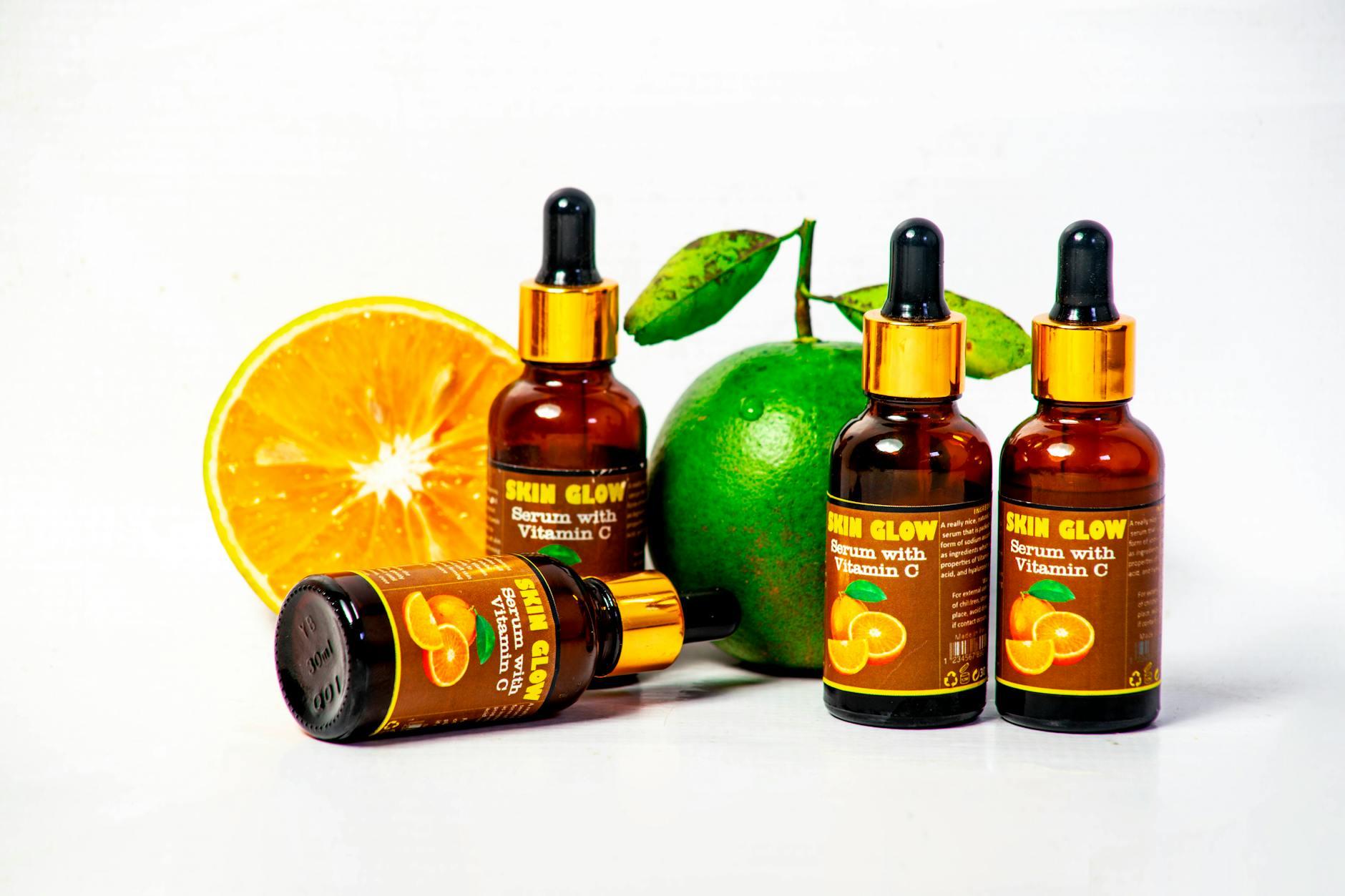
A vitamin C serum can degrade before you even open the bottle. L-ascorbic acid, the most common active form in skincare, breaks down on contact with air, light, and heat. Independent testing has found that many products marketed as vitamin C serums contain significantly less active ingredient than the label claims. Formulation stability, not the percentage on the packaging, is the single biggest factor in whether your serum does anything at all.
If you have ever wondered whether that expensive dropper bottle is earning its price, you are asking the right question.
Does Vitamin C Serum Really Work for Skin?
The short answer is yes, but with important caveats about formulation and realistic expectations. Topical vitamin C is one of the most studied active ingredients in skincare, and the evidence base is genuinely strong.
What the Clinical Evidence Shows
A 2019 Bayesian meta-analysis of 31 randomised controlled trials, published by Wy Shan Shan Lo and colleagues in the Journal of Clinical and Aesthetic Dermatology, confirmed that topical vitamin C effectively prevents UV-induced pigmentation. The effect was particularly strong at concentrations of 10% and above. A 2023 systematic review by Correia and colleagues in the International Journal of Dermatology found that vitamin C is effective for both melasma and photoageing, though it noted that long-term, consistent use is necessary before changes become noticeable.
Research published in the journal Nutrients in 2017 by Pullar, Carr, and Vissers documented three well-established roles for topical vitamin C in skin health: stimulating collagen synthesis, providing photoprotection against UV damage, and inhibiting melanogenesis (the process that produces excess pigmentation). These are not speculative claims. They are supported by decades of peer-reviewed research.
How Vitamin C Works in the Skin
Vitamin C is a potent antioxidant that neutralises free radicals generated by UV exposure and environmental pollution. It also stimulates collagen production by acting as a cofactor for the prolyl and lysyl hydroxylase enzymes, which are essential for collagen fibre formation. Without adequate vitamin C, these enzymes cannot function properly.
The brightening effect many people associate with vitamin C serums comes from its ability to inhibit tyrosinase, the enzyme responsible for melanin production. According to the Linus Pauling Institute at Oregon State University, vitamin C also serves as the primary replenisher of vitamin E in the skin, meaning the two antioxidants work synergistically. A formulation that includes both will generally outperform one that relies on vitamin C alone.

Why Vitamin C Serum Stability Matters More Than Concentration
This is where the skincare industry's marketing tends to diverge from the science. Many brands emphasise high concentrations as a selling point, but the stability of your vitamin C serum is the factor that actually determines whether the product works when it reaches your skin.
The pH Problem Most Brands Don't Talk About
L-ascorbic acid requires a pH below 3.5 to penetrate the stratum corneum, the outermost layer of your skin. However, maximum photostability occurs at pH 4, which creates a direct tension between penetration and shelf life. Formulators must balance these competing demands, and it is an inherent challenge of working with L-ascorbic acid in skincare products.
Higher concentrations do not solve this problem. A 30% vitamin C serum at the wrong pH will underperform a well-formulated 15% product that maintains stability throughout its shelf life. Research by Chen and colleagues, published in the International Journal of Pharmaceutics in 2025, is exploring novel stabilisation approaches including cationic polymer networks that may allow effective formulations at pH 6. These are not yet widely available in consumer products.
Can Vitamin C Serum Go Bad?
Yes, and it happens more often than you might think. L-ascorbic acid degrades into dehydroascorbic acid when exposed to air, light, and heat. Dehydroascorbic acid has significantly less biological activity, meaning your serum progressively loses effectiveness from the moment it is opened.
A 2022 study published in the journal Molecules by Boo found that many commercial vitamin C products were significantly degraded by the time consumers used them. The practical signs of degradation are straightforward to spot: a colour change from clear or pale yellow to dark orange or brown, and a change in smell (a metallic or off odour indicates breakdown).
It is also worth knowing that vitamin C has a skin half-life of approximately four days after reaching maximum concentration. This means regular application is needed to maintain consistent photoprotection.
What Concentration of Vitamin C Is Best for Skin?
Concentration matters, but there is a ceiling that the skincare industry does not always acknowledge.
The 20% Ceiling
Research indicates that 8% is the minimum concentration for biological significance in topical vitamin C products. Below that threshold, you are unlikely to see meaningful results. However, concentrations above 20% provide no additional benefit and significantly increase the risk of irritation, particularly for sensitive skin types.
The optimal range, according to a comprehensive review by Al-Niaimi and Chiang published in 2017, is 10 to 20% L-ascorbic acid at a pH between 2.0 and 3.5. The idea that "higher concentration equals better results" is a marketing claim, not a scientific one. A 25% or 30% product is not giving you extra benefit. It is giving you extra irritation potential without evidence of superior efficacy.
Why Supporting Ingredients May Matter More
Vitamin E and ferulic acid are the two supporting ingredients that make the biggest difference in a vitamin C formulation. They improve both the efficacy and the stability of L-ascorbic acid, which is why they appear so frequently in well-regarded products.
A serum containing vitamin C, vitamin E, and ferulic acid will generally outperform one with a higher vitamin C concentration but without these stabilising and synergistic partners. If you are comparing products, look for formulations that combine all three rather than chasing the highest percentage on the label. If you are also exploring how other active ingredients like retinoids or sunscreen fit into your routine, the same principle applies: formulation quality and evidence should guide your choices, not marketing claims.
L-Ascorbic Acid vs Vitamin C Derivatives: Which Form Is Better?
Not all vitamin C is created equal when it comes to skincare. The form of vitamin C in your product determines both its effectiveness and its practical usability, so understanding the key differences between derivatives matters.
L-Ascorbic Acid: Gold Standard with a Stability Problem
L-ascorbic acid is the most clinically studied form of topical vitamin C and carries the strongest evidence base. It has direct biological activity, meaning your skin can use it immediately without needing to convert it from another form. The vast majority of the positive research on topical vitamin C was conducted using L-ascorbic acid formulations.
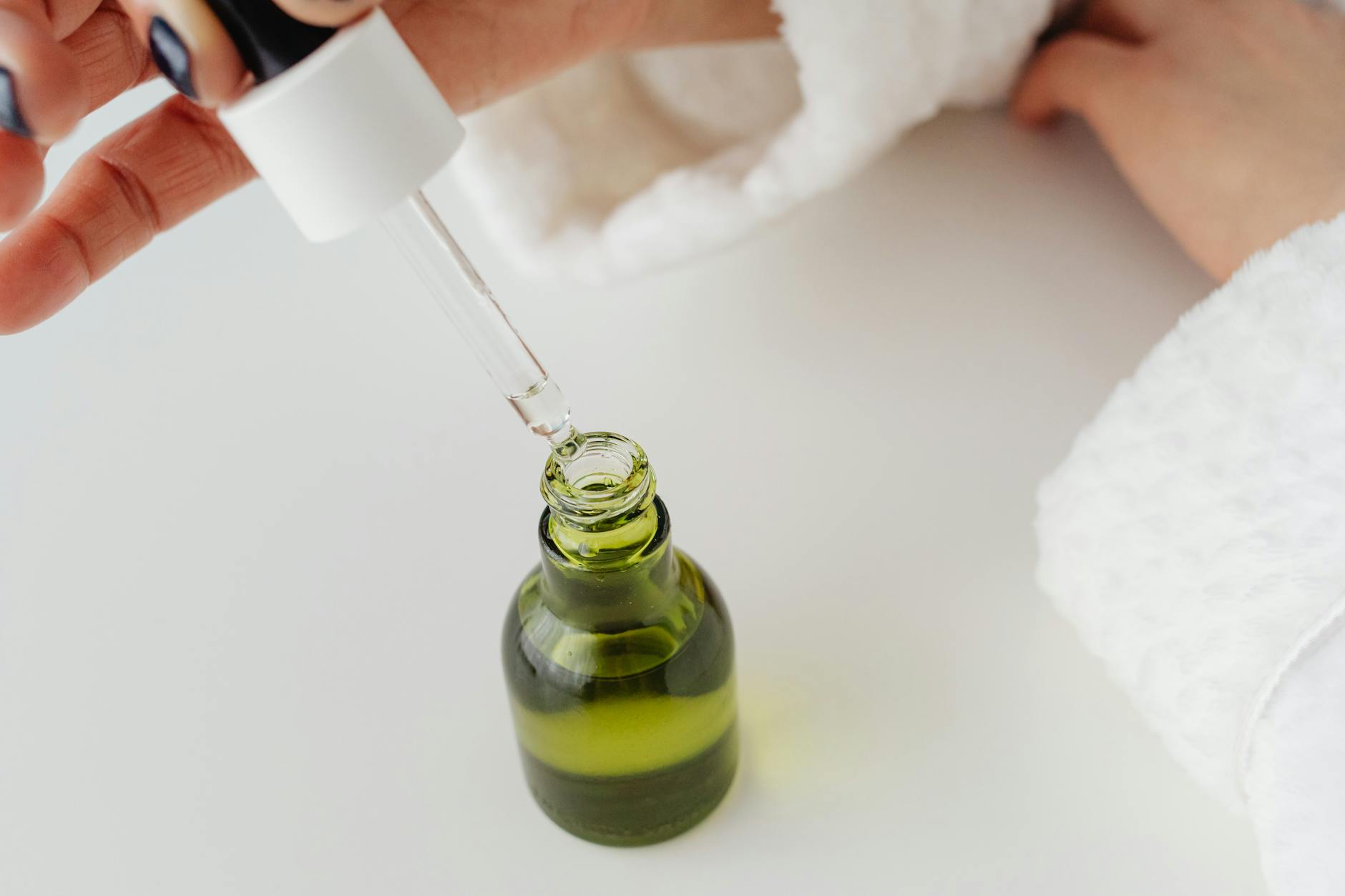
The drawback is well documented: L-ascorbic acid is inherently unstable. It requires careful formulation, packaging (opaque, airless containers are ideal), and storage to remain effective. A poorly packaged L-ascorbic acid product may degrade faster than a well-formulated derivative.
Derivatives: More Stable, Less Proven
Common vitamin C derivatives include sodium ascorbyl phosphate, magnesium ascorbyl phosphate, and ascorbyl glucoside. These offer improved stability compared to L-ascorbic acid, which is their primary advantage.
However, the conversion of these derivatives to active ascorbic acid in the skin is not fully established. A 2023 review by Telang in the Indian Dermatology Online Journal noted that the clinical evidence for derivatives is substantially weaker than for L-ascorbic acid. Among the derivatives, ascorbyl glucoside appears to have the best supporting evidence, but even its clinical data does not match the depth of research behind L-ascorbic acid.
How to Choose Between Forms
If you can store your serum properly (cool, dark place) and your skin tolerates low-pH formulations, L-ascorbic acid combined with vitamin E and ferulic acid remains the best-supported choice. If stability and convenience are higher priorities, or if low-pH products irritate your skin, a well-formulated derivative is a reasonable alternative, though you should temper your expectations accordingly.
In either case, the quality of the overall formulation matters more than simply which form of vitamin C appears on the ingredient list.

How to Actually Use the Stuff
Knowing the science is useful; applying it to a daily routine is where the benefit lives.
Should I Use Vitamin C Serum Every Day?
Yes. Daily use is recommended for sustained benefit, given vitamin C's skin half-life of approximately four days. Apply your serum in the morning before sunscreen for combined photoprotection. UV exposure generates free radicals throughout the day, and vitamin C works alongside sunscreen to neutralise them.
If you are new to vitamin C products, start with a lower concentration (around 10%) to assess your skin's tolerance before moving to higher strengths. Some people experience temporary redness, stinging, or mild peeling when they first introduce L-ascorbic acid, particularly at higher concentrations or very low pH levels. These reactions usually settle within the first week or two, but if irritation persists, switch to a gentler derivative or reduce your application frequency.
Can I Use Vitamin C with Retinol?
Yes, but they work best at different times of day. Vitamin C performs optimally in the morning, where it complements your sunscreen. Retinol is best applied at night, when your skin is not exposed to UV and the ingredient can work without competing with other actives.
The concern about combining them stems from pH differences. L-ascorbic acid works at pH below 3.5, while retinol works at a higher pH. Layering them simultaneously can increase irritation for some people. Alternating between morning (vitamin C) and evening (retinol) avoids this issue entirely and lets each product perform at its best.
How to Tell If Your Product Is Still Effective
Check the colour first. A fresh L-ascorbic acid serum should be clear to pale yellow. If it has turned dark orange or brown, the active ingredient has degraded and the product should be discarded. Check the smell as well: a fresh serum should have minimal odour, while a metallic or off smell indicates breakdown.
Store your vitamin C serum in a cool, dark place. Products in opaque or airless packaging will last longer than those in clear dropper bottles exposed to light and air. And regarding the common question of whether expensive vitamin C serum is worth it: price alone does not guarantee stability or efficacy. Packaging, formulation, and supporting ingredients matter far more than the price tag.
The Short Version
A well-formulated vitamin C serum is one of the few topical products with genuinely robust clinical evidence behind it. Look for L-ascorbic acid (or a well-supported derivative) in the 10 to 20% range, combined with vitamin E and ferulic acid, in packaging that keeps light and air out. Ignore concentrations above 20%. They do not outperform the optimal range and they do increase irritation.
Vitamin C works best in a considered routine, not in isolation. Pair it with a decent cleanser and a properly formulated sunscreen, and you will have a stronger foundation than any single expensive bottle can give you on its own.
Sources
- Al-Niaimi, F., & Chiang, N. Y. Z. (2017). Topical Vitamin C and the Skin: Mechanisms of Action and Clinical Applications. The Journal of Clinical and Aesthetic Dermatology, 10(7), 14-17. https://www.ncbi.nlm.nih.gov/pmc/articles/PMC5605218/
- Lo, W. S. S., et al. (2019). Bayesian Meta-Analysis of Topical Vitamin C for UV-Induced Pigmentation. The Journal of Clinical and Aesthetic Dermatology, 12(2). https://jcadonline.com/vitamin-c-uv-pigmentation-meta-analysis/
- Correia, P., et al. (2023). Efficacy of Topical Vitamin C in Melasma and Photoageing: A Systematic Review. International Journal of Dermatology, 62(8), 1032-1040. https://doi.org/10.1111/ijd.16580
- Pullar, J. M., Carr, A. C., & Vissers, M. C. M. (2017). The Roles of Vitamin C in Skin Health. Nutrients, 9(8), 866. https://www.ncbi.nlm.nih.gov/pmc/articles/PMC5579659/
- Linus Pauling Institute, Oregon State University. Vitamin C and Skin Health. https://lpi.oregonstate.edu/mic/health-disease/skin-health/vitamin-C
- Boo, Y. C. (2022). Ascorbic Acid (Vitamin C) as a Cosmeceutical to Increase Dermal Collagen for Skin Antiaging Purposes. Molecules, 27(9), 2973. https://www.ncbi.nlm.nih.gov/pmc/articles/PMC9103029/
- Telang, P. S. (2023). Vitamin C in Dermatology. Indian Dermatology Online Journal, 4(2), 143-146. https://doi.org/10.4103/2229-5178.110593
- Chen, Y., et al. (2025). Cationic Polymer Networks for Stabilisation of L-Ascorbic Acid at Elevated pH. International Journal of Pharmaceutics, 648, 124012. https://doi.org/10.1016/j.ijpharm.2025.124012
Photos by Truth Enock, Suzy Hazelwood, Karolina Grabowska, and Kampus Production on Pexels
This content is for general educational purposes only and does not constitute medical advice, diagnosis, or treatment. Always consult a qualified, AHPRA-registered health practitioner before undergoing any cosmetic procedure. Individual results vary; outcomes shown or described may not reflect your experience. All cosmetic procedures carry risks.