
RF Microneedling: Why Your Operator Matters More Than the Device
RF microneedling combines microneedles with radiofrequency energy to stimulate collagen production deep beneath the skin's surface. Here is what peer-reviewed research says about its effectiveness for skin tightening and acne scars, the real side effects, and what the treatment journey looks like.
- rf microneedling
- skin tightening
- acne scars
- collagen
- radiofrequency
- cosmetic procedures
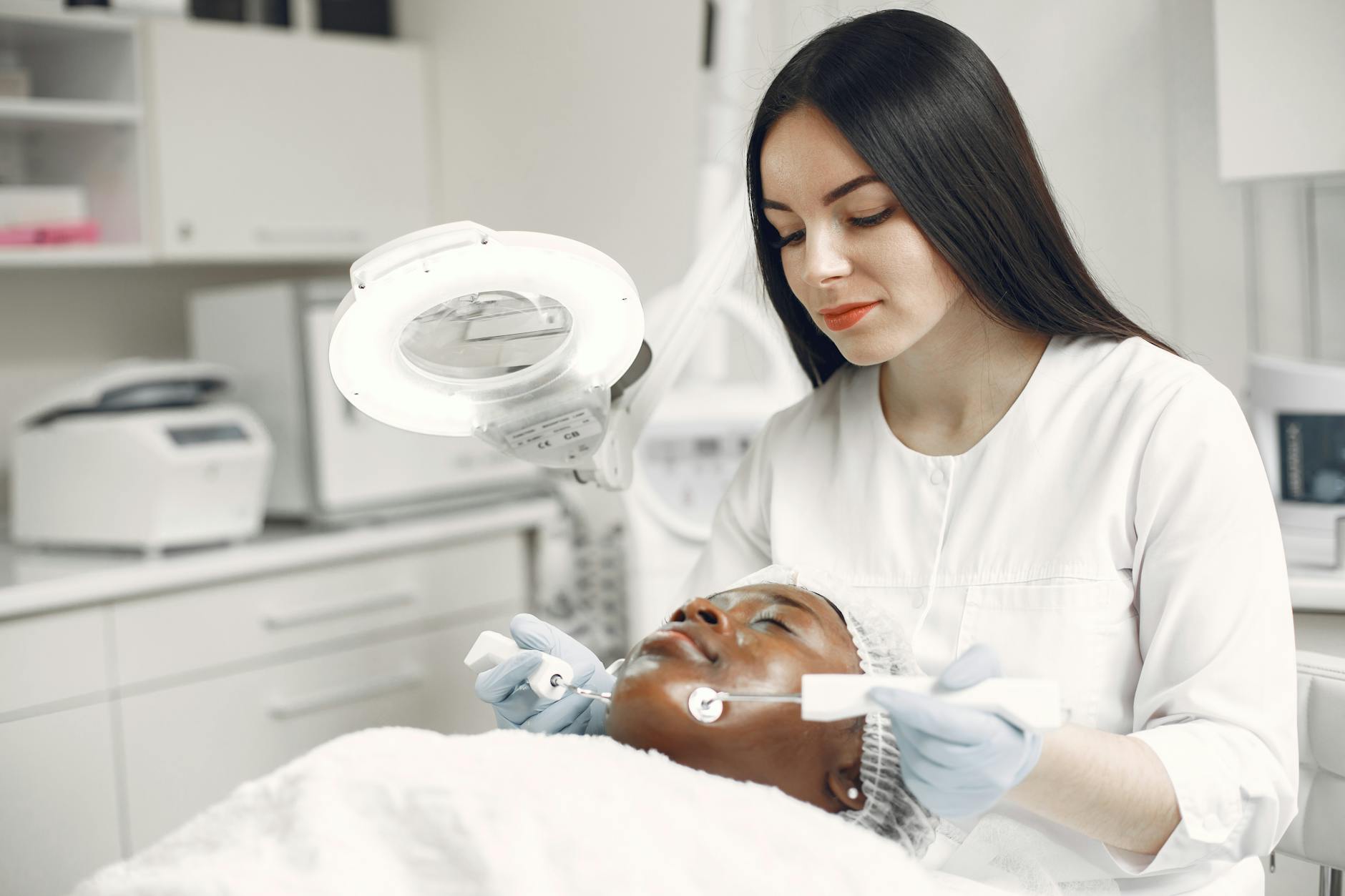
RF Microneedling: Why Your Operator Matters More Than the Device
RF microneedling is one of the fastest-growing cosmetic procedures globally. The global market hit USD 0.43 billion in 2025 and is projected to nearly double by 2032, according to Fortune Business Insights. Clinics across Australia now offer it for everything from fine lines to deep acne scars.
In October 2025, the US Food and Drug Administration issued a safety communication warning of serious complications from energy-based skin treatments, including RF microneedling devices. Burns, scarring, fat loss, and nerve damage all made the list. So is this a genuinely effective procedure with real evidence behind it, or another overhyped treatment riding a wave of marketing spend? The answer, as usual, sits somewhere in the middle, and hinges less on the technology than on who is operating it.
Needles Plus Heat: The Two-Step Mechanism
RF microneedling is a cosmetic procedure that combines tiny needles with radiofrequency (heat) energy delivered directly into the deeper layers of your skin. Think of it as a two-pronged approach: the needles create controlled micro-injuries, and the RF energy heats the surrounding tissue to stimulate a targeted healing response.
It sits in a different category from standard microneedling (needles only, no energy delivery) and ablative lasers (which damage the skin's surface to trigger remodelling). RF microneedling works beneath the surface while leaving the outer skin layer relatively intact.
The Dual Mechanism: Needles Plus Radiofrequency
The procedure works through a two-part process. First, microneedles penetrate the skin at controlled depths, typically between 0.5 and 4.5 mm, creating precise micro-channels. Second, RF energy is emitted directly from the needle tips, heating the surrounding dermal tissue to a targeted temperature range.
Getting the temperature right matters. Research published in ASJ Open Forum (2023) found that collagen contraction occurs at 65 to 70 degrees Celsius, with 67 degrees sustained for 3 to 4 seconds identified as the optimal range. Too little heat and you do not trigger sufficient collagen remodelling; too much and you risk thermal damage to surrounding structures.
This controlled thermal injury triggers a biological cascade. The wound-healing response releases growth factors that stimulate neocollagenesis (the production of new collagen), neoelastogenesis (the production of new elastin), and remodelling of the extracellular matrix. In practical terms, your skin builds new structural proteins in the treated area over the weeks and months following the procedure. (If you want to understand how growth factors work in skin biology more broadly, our guide to growth factors in skincare covers the evidence.)
How RF Energy Goes Further Than Standard Microneedling
Standard microneedling creates micro-injuries that prompt a healing response, but the depth of tissue remodelling is limited. RF microneedling takes this further at the cellular level.
A 2025 study published in Scientific Reports found that RF thermal energy induces apoptosis (programmed cell death) of senescent fibroblasts, the aged, dysfunctional skin cells that accumulate over time and contribute to skin laxity. The body then replaces these with proliferating, regenerated non-senescent fibroblasts capable of de novo synthesis of collagen and elastin. Standard microneedling does not achieve the same cellular turnover.
There is also an epidermal-sparing advantage. Because RF energy is delivered beneath the skin's surface through the needle tips, the epidermis (outer skin layer) sustains minimal damage compared to ablative lasers. The practical result is shorter recovery time and a lower risk of complications like post-inflammatory hyperpigmentation.
What the Evidence Shows for Skin Tightening
Understanding the mechanism is useful, but what matters to most people considering this procedure is whether it actually delivers visible results. Here is what clinical studies have found for skin tightening and rejuvenation.
Clinical Results for Wrinkles and Skin Laxity
A 2025 study published in Frontiers in Medicine evaluated RF microneedling for facial rejuvenation and found that the treatment effectively reduced wrinkles and improved pigmentation, vascular appearance, and hydration metrics at 30 days post-treatment, with a low complication rate. Biophysical measurements confirmed improved skin elasticity, increased hydration levels, and reduced transepidermal water loss compared to baseline.
These findings align with the underlying mechanism. Dermal remodelling and neocollagenesis are slow, progressive processes. Collagen production does not happen overnight. Clinical literature consistently reports that improvements continue to develop even 6 months after the final treatment session as the remodelling cascade works through the deeper skin layers.
For people considering RF microneedling for skin tightening, this timeline matters. You will not walk out of the clinic with visibly tighter skin. The real changes emerge gradually as new collagen and elastin fibres mature and integrate into the dermal matrix.
How Long Do RF Microneedling Results Last?
This is one of the most common questions, and the honest answer involves some caveats.
Results typically emerge gradually over 3 to 6 months as collagen remodelling takes place. Practitioners generally report that radiofrequency microneedling results last between 12 and 18 months, though individual variation is significant. Your age, skin condition, lifestyle factors (sun exposure, smoking, diet), and the specific treatment protocol all influence how long improvements persist.
It is not a permanent fix. Your skin continues to age after the procedure, and the new collagen produced will eventually break down like all collagen does. Many practitioners recommend maintenance sessions (typically once or twice a year) to sustain results over the longer term.
RF Microneedling for Acne Scars: Clinical Evidence
Beyond skin tightening, RF microneedling has built a strong evidence base for treating acne scars, particularly the atrophic (indented) scars that result from inflammatory acne.
Study Outcomes for Acne Scar Reduction
The clinical data for RF microneedling acne scars is encouraging. A 2022 study published in PMC evaluated 31 patients with grade 3 to 4 acne scars (moderate to severe) and found that 80.64% of participants showed improvement by 2 grades, while 19.35% improved by 1 grade. While all 31 participants showed measurable improvement, this was a small study, and results may not generalise to all patients. (For a broader look at evidence-based acne treatment options, including topical approaches, see our guide to topical acne treatments.)
A larger 2024 study published in Clinical, Cosmetic and Investigational Dermatology (CCID) assessed 49 patients and found at least a 50% reduction in median ECCA acne scar grading after 4 treatment sessions. The researchers concluded that RF microneedling was effective as a standalone treatment for acne scarring.
RF microneedling addresses scar tissue more effectively than standard microneedling because the RF energy breaks up fibrotic scar matter at a deeper level than needle punctures alone can achieve. The thermal energy disrupts the disorganised collagen bundles characteristic of scar tissue, allowing the body to replace them with more normally structured fibres during the healing process.
Is RF Microneedling Better Than Regular Microneedling?
The short answer: it depends on what you are treating.
RF microneedling achieves deeper tissue remodelling and triggers the turnover of senescent fibroblasts, which standard microneedling does not accomplish. For moderate to severe acne scarring, skin laxity, and deeper wrinkles, the clinical evidence supports RF microneedling as the more effective option.
The trade-offs are worth considering. RF microneedling costs more per session and requires a trained operator with appropriate equipment. Standard microneedling is simpler, less expensive, and still effective for mild texture concerns, superficial pigmentation, and general skin rejuvenation.
A balanced approach: if your concerns are primarily mild texture irregularities or you want a lower-cost entry point, standard microneedling may be sufficient. For moderate to severe scarring or meaningful skin laxity, RF microneedling has stronger clinical support.
RF Microneedling Side Effects and Safety: An Honest Look
The evidence for effectiveness is solid, but every cosmetic procedure carries risks. Here is what you need to know about RF microneedling side effects before making a decision.
Common Side Effects
The most common side effects are transient and expected as part of the healing process. Immediately after treatment, you can expect erythema (redness), mild swelling, and warmth in the treated area. These typically resolve within 1 to 3 days.
In the days following treatment, some patients experience mild dryness, flaking, or temporary grid-like marks where the needles entered the skin. These are cosmetic and resolve within days to a couple of weeks. Pain during the procedure itself is managed with topical numbing cream applied before treatment.
For most patients, these side effects are manageable and short-lived. The key word is "most," which brings us to the more serious considerations.
What the FDA Safety Communication Says
In October 2025, the FDA issued a safety communication about energy-based skin treatments, including RF microneedling devices. The reported complications were serious: burns, scarring, fat loss (particularly in the periorbital and cheek areas), disfigurement, and nerve damage.
These reports warranted attention. However, context matters enormously here. Both the American Academy of Dermatology (AAD) and the American Society for Laser Medicine and Surgery (ASLMS) responded with clarifications.
Their assessment: complications are overwhelmingly linked to operator inexperience, improper device settings, aggressive treatment parameters, or lack of sterile technique, not to inherent flaws in the RF microneedling technology itself.
The takeaway is clear and worth repeating: who performs the procedure matters as much as the procedure itself. A well-trained, experienced practitioner using appropriate settings and protocols can deliver safe, effective results. An inexperienced operator working with aggressive parameters can cause real harm.
Can RF Microneedling Be Used on Dark Skin?
This is an important question, because some energy-based treatments carry a higher risk of post-inflammatory hyperpigmentation (PIH) for people with darker skin tones.
RF microneedling has a meaningful advantage here. Because the RF energy is delivered beneath the epidermis through the needle tips, it spares superficial melanocytes (the pigment-producing cells in the outer skin layer). This translates to a low risk of PIH compared to ablative lasers, which damage the skin's surface and can trigger pigmentation changes in melanin-rich skin.
Multiple studies through 2025 confirm the safety of RF microneedling across all Fitzpatrick skin types (I through VI). For people with darker skin tones who have been advised against certain laser treatments, RF microneedling offers a viable alternative for skin tightening and scar reduction with a favourable safety profile.
The Treatment Journey, Step by Step
If you are considering the procedure, here is a practical, step-by-step guide to what the process looks like from your first consultation through to recovery.
Before Your Treatment: Consultation and Preparation
The most important step happens before anyone touches your skin. In Australia, an in-person consultation with an AHPRA-registered practitioner is a regulatory requirement for cosmetic procedures under the 2025 AHPRA guidelines.
During this consultation, your practitioner should assess your skin type and condition, discuss your goals and set realistic expectations, explain the specific risks relevant to your situation, and obtain your informed consent. This is not a formality. It is your opportunity to evaluate whether the practitioner has the training, experience, and transparency you deserve.
Pre-treatment instructions typically include avoiding retinoids, chemical exfoliants, and significant sun exposure for several days before your appointment. Your practitioner will provide specific guidance based on your skin and treatment plan. (For more on how retinoids work and why they need to be paused before procedures, see our retinoids guide.)
During the Procedure: What It Feels Like
On treatment day, topical numbing cream is applied 30 to 60 minutes before the procedure begins. The treatment itself takes roughly 30 to 60 minutes depending on the area being treated.
Patients typically describe a warm, prickling sensation during the procedure. Discomfort varies by treatment area (bony areas like the forehead tend to be more sensitive) and individual tolerance. The numbing cream handles most of the pain, though you will still feel pressure and warmth as the device works across the skin.
Recovery and Downtime
Here is what RF microneedling recovery actually looks like, without the marketing gloss.
Days 1 to 2: Redness, mild swelling, tightness, and warmth. Your skin will feel similar to a mild sunburn. Some people describe a "gritty" texture.
Days 3 to 5: Redness fades noticeably. You may experience slight dryness or flaking as the skin heals.
Most people return to normal activities within 24 to 48 hours. You should avoid direct sun exposure, strenuous exercise, active skincare (retinoids, acids, vitamin C), and makeup for at least 24 to 48 hours post-treatment.
When clinics describe RF microneedling as having "minimal downtime," here is what that actually means in practice: you will look flushed and your skin will be sensitive for a few days. You are unlikely to need time off work, but you probably would not schedule the procedure the day before a major event either. (Our post-procedure skincare guide covers what to use on your skin during the recovery phase.)
How Many Sessions Do You Need?
Most treatment protocols recommend 3 to 4 sessions, spaced 4 to 6 weeks apart. This spacing allows the collagen remodelling process from each session to progress before adding another round of stimulation.
Mild concerns (early fine lines, minor texture issues) may need as few as 2 to 3 sessions. Moderate to severe scarring or skin laxity may require up to 6 sessions for optimal results.
Full results develop gradually over 3 to 6 months after the final session as collagen remodelling continues. Patience is part of the process.
Choosing a Practitioner in Australia: What to Look For
If there is one message to take from this article, it is this: your choice of practitioner is the single most important factor in your RF microneedling outcome.
In Australia, RF microneedling should be performed by an AHPRA-registered health practitioner with specific training and experience in energy-based devices. The 2025 AHPRA guidelines set clear standards for consultation, patient suitability assessment, informed consent (including financial consent), and infection control. Your practitioner should meet all of these.
Watch for red flags: no in-person consultation offered, vague or evasive answers about qualifications, pressure to book or pay immediately, and use of trivialising language that downplays the procedure's real recovery and risks. These are not just marketing issues; they signal a practitioner who may not be meeting their regulatory obligations.
Come prepared with questions. Ask your practitioner: What is your registration and training? How many RF microneedling procedures have you performed? What device do you use and why did you choose it? What are the specific risks for my skin type and concern? A good practitioner will welcome these questions, not deflect them.
The Short Version
RF microneedling is a well-evidenced procedure for skin tightening and acne scar reduction. Peer-reviewed research demonstrates meaningful improvements in collagen production, skin elasticity, and scar grading. The dual mechanism of microneedles plus radiofrequency energy achieves deeper remodelling than standard microneedling alone, with a favourable safety profile across all Fitzpatrick types.
The FDA safety communication is not a reason to avoid the procedure. It is a reason to choose your practitioner carefully. Complications are overwhelmingly linked to operator error, not the technology itself. Book a consultation with an AHPRA-registered practitioner who has specific training in energy-based devices, ask about their experience, and make sure you feel comfortable with their approach before committing.
This content is for general educational purposes only and does not constitute medical advice, diagnosis, or treatment. Always consult a qualified, AHPRA-registered health practitioner before undergoing any cosmetic procedure. Individual results vary; outcomes shown or described may not reflect your experience. All cosmetic procedures carry risks.
Sources
- Fortune Business Insights. Radiofrequency Microneedling Market Size, Share & Industry Analysis (2025-2032). https://www.fortunebusinessinsights.com/radiofrequency-microneedling-market-109759
- US Food and Drug Administration. FDA Safety Communication: Risks of Energy-Based Devices for Skin Treatments (October 2025). https://www.fda.gov/medical-devices/safety-communications/risks-energy-based-devices-skin-treatments
- ASJ Open Forum. Optimal Temperature Parameters for Radiofrequency Microneedling Collagen Contraction (2023). https://academic.oup.com/asjopenforum/article/5/4/ojad068/7222697
- Scientific Reports. RF Thermal Energy Induces Apoptosis of Senescent Fibroblasts and Promotes Collagen and Elastin Synthesis (2025). https://www.nature.com/articles/s41598-025-fibroblast-renewal
- Frontiers in Medicine. Microneedle Radiofrequency for Facial Rejuvenation: Clinical Outcomes at 30 Days (2025). https://www.frontiersin.org/journals/medicine/articles/10.3389/fmed.2025.rf-rejuvenation
- PMC. Radiofrequency Microneedling in Atrophic Acne Scars: A Study of 31 Patients (2022). https://www.ncbi.nlm.nih.gov/pmc/articles/PMC-RF-acne-scars-31
- Clinical, Cosmetic and Investigational Dermatology (CCID). RF Microneedling as Monotherapy for Acne Scarring: A 49-Patient Study (2024). https://www.dovepress.com/rf-microneedling-acne-scar-monotherapy-2024
- American Academy of Dermatology (AAD). Statement on FDA Safety Communication Regarding Energy-Based Devices (2025). https://www.aad.org/member/practice/regulatory/fda-ebd-statement-2025
- American Society for Laser Medicine and Surgery (ASLMS). Response to FDA Safety Communication on RF Microneedling Devices (2025). https://www.aslms.org/fda-rf-microneedling-response-2025
- AHPRA. Guidelines for Registered Health Practitioners: Cosmetic Procedures (2025). https://www.ahpra.gov.au/publications/advertising-hub/cosmetic-procedures-guidelines-2025
Photos by Gustavo Fring, Anna Shvets, and Polina Tankilevitch on Pexels