
Skin Quality: What It Means, How to Measure It, and Evidence-Based Ways to Improve It
Skin quality now has a clinical definition with four measurable dimensions. This guide breaks down what the research says about how to improve skin quality through sun protection, evidence-backed ingredients, and lifestyle habits.
- skincare
- skin quality
- evidence-based skincare
- skin health
- skin assessment
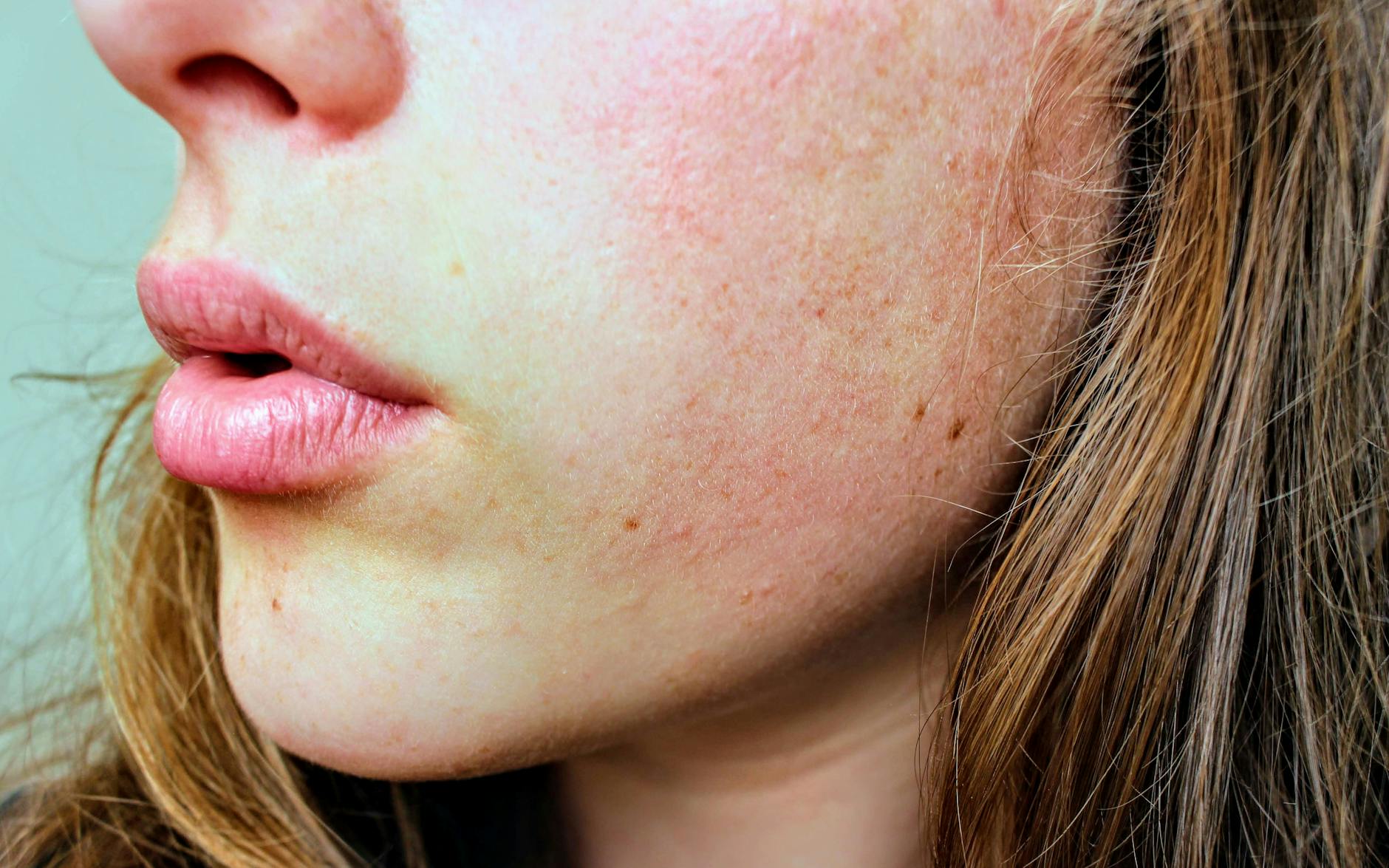
Skin Quality: What It Means, How to Measure It, and Evidence-Based Ways to Improve It
"Skin quality" is one of those phrases you see everywhere: on serum bottles, in clinic brochures, across Instagram captions. But here's the thing. Until very recently, even dermatologists didn't have a standardised way to define or measure it. A 2025 survey found that 67% of clinicians had no formal scale to assess skin quality, despite it being one of the most common reasons people walk through their doors.
If you've ever searched "how to improve skin quality" and come away more confused than when you started, you're not alone. The advice out there ranges from genuinely evidence-based to completely made up, and it's hard to tell which is which without a clinical background. This guide cuts through the noise. We'll break down what skin quality actually means according to the published research, show you how to assess your own skin, and walk through evidence-based steps that genuinely make a difference.
Living in Australia adds another layer to the conversation. We sit under some of the harshest UV radiation on the planet, which means understanding and protecting skin quality isn't just a cosmetic concern; it's a health one.
What Does Skin Quality Actually Mean?
The Clinical Definition Most People Have Never Heard
For decades, "skin quality" floated around as an undefined, subjective concept. That changed in 2021 when Fabi and colleagues published a consensus paper that gave the term a proper clinical framework. Their definition: good skin quality means healthy, youthful-appearing, undamaged skin.
More specifically, they identified four Emergent Perceptual Categories (EPCs) that together make up what we recognise as quality skin:
- Tone evenness: consistent colour across the skin without blotchiness, redness patches, or irregular pigmentation.
- Surface evenness: smooth texture with minimal visible pores, scarring, or roughness.
- Firmness: skin that bounces back when pressed, rather than appearing lax or saggy.
- Glow: a natural radiance that comes from well-hydrated, healthy skin, distinct from oiliness.
One important note: this framework was designed to apply across all skin tones and ethnicities. It's not based on a single standard of appearance but on measurable qualities that indicate healthy skin function.
Skin Quality vs. Skin Health: What's the Difference?
There's significant overlap between skin quality and skin health, but they're not identical concepts. Think of skin quality as one visible expression of underlying skin health.
Skin health encompasses everything happening beneath the surface: your skin barrier function, immune response, microbiome balance, and cellular repair mechanisms. Skin quality is the measurable, visible outcome of how well those systems are working.
As Dermatology Times noted in 2025, aesthetic and medical dermatology are increasingly viewed as complementary disciplines rather than separate fields. The visible appearance of skin reflects its deeper biological state.
The key takeaway here is straightforward: chasing "good skin quality" without addressing underlying skin health is like painting over rust. You might see short-term improvement, but the foundation needs to be solid for lasting results.
What Are the Signs of Good Skin Quality?
The Four Dimensions You Can Assess at Home
You don't need a clinic visit to get a baseline read on your skin quality. Using the four EPCs as a guide, you can do a simple self-assessment at home.
Tone evenness: In natural light (near a window, morning or late afternoon), look at your face without makeup. Are there patches of redness, areas of darker pigmentation, or noticeable colour variation? Consistent, even colouring across your cheeks, forehead, and chin is a sign of good tone evenness.
Surface evenness: Gently run a finger across your cheek. Does it feel smooth, or can you detect bumps, rough patches, or enlarged pores? Surface evenness doesn't mean poreless (that's a filter, not reality), but it does mean relatively smooth texture without significant irregularities.
Firmness: Try the pinch test. Gently pinch the skin on the back of your hand or your cheek and release. How quickly does it snap back? Skin with good firmness returns to its original position quickly. Slower recovery can indicate reduced elasticity, which is natural with age but can be accelerated by UV damage and other factors.
Glow: Does your skin look dull and flat, or does it have a natural sheen? Glow comes from good hydration and healthy cell turnover. It's distinct from the shine of excess oil. Dullness often indicates dehydration, a buildup of dead skin cells, or both.
How Dermatologists Measure Skin Quality
While a home assessment gives you useful baseline information, clinical measurement takes things further with validated tools.
The most notable recent development is the Skin Quality Assessment Scale (SQS), published by Martschin and colleagues in the Journal of Cosmetic Dermatology in 2025. This scale evaluates four domains across nine aspects, each scored from 0 to 3. It was developed specifically because clinicians lacked a standardised, holistic tool. Significantly, 100% of clinicians who reviewed the SQS agreed it provides a comprehensive assessment of skin quality.
For patients tracking the outcomes of treatments over time, the SKIN-Q is a patient-reported outcome measure that captures your own perception of your skin quality in a structured way.
The practical value of knowing these tools exist is empowerment. You can walk into a consultation and have an informed conversation with your practitioner about which dimensions of skin quality you want to address, using a shared framework rather than vague descriptions.
How to Improve Skin Quality: What the Evidence Actually Says
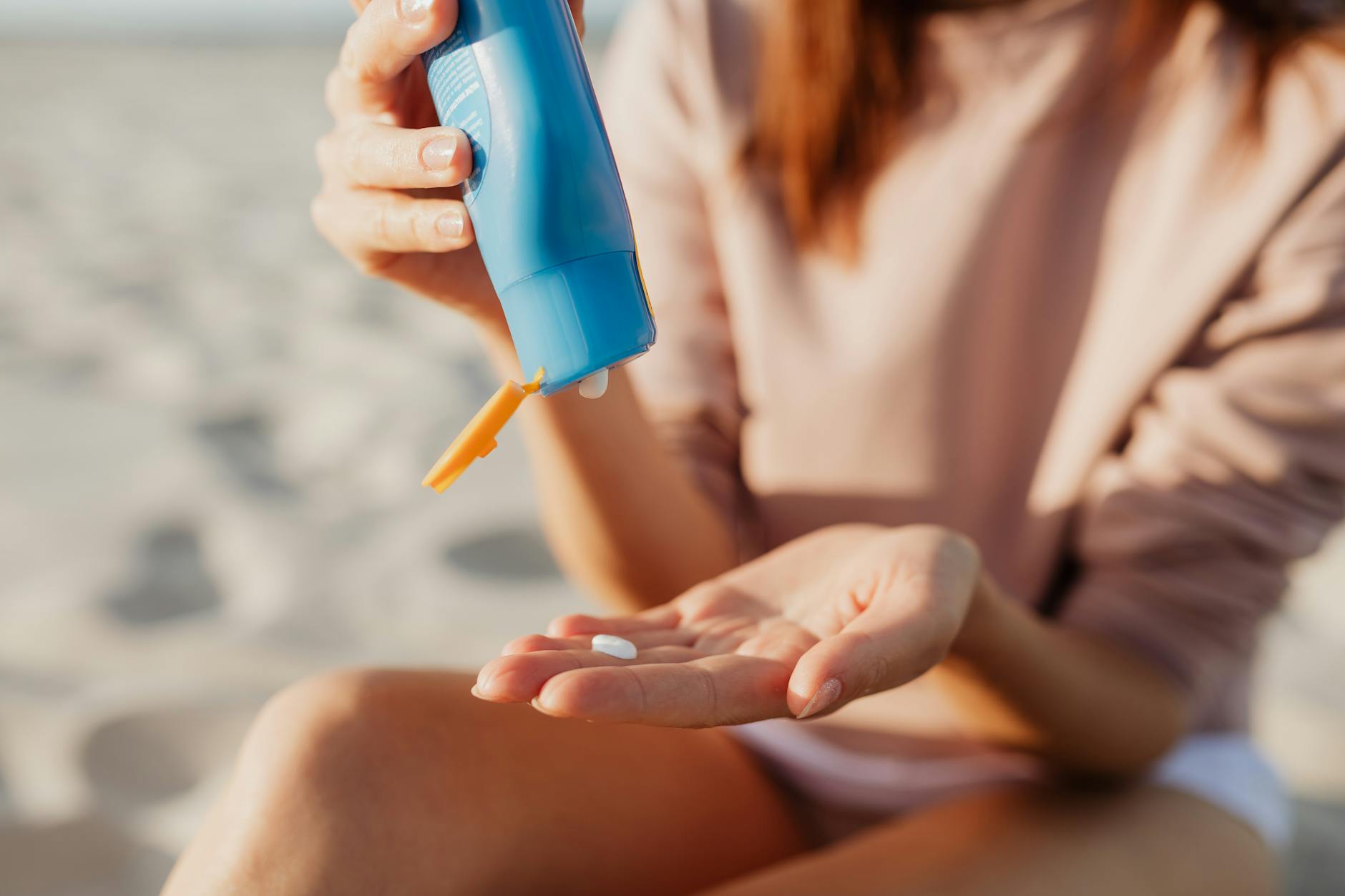
Sun Protection: The Single Biggest Factor
If you take one thing from this article, make it this: consistent sun protection is the single most impactful step you can take for your skin quality. According to a widely cited review in Dermato-Endocrinology, UV radiation is responsible for up to 90% of visible signs of skin aging, including wrinkles, pigmentation changes, sagging, and rough texture.
This isn't speculation. Research led by Hughes and colleagues, published in the Annals of Internal Medicine in 2013, followed 900 Australian participants over 4.5 years in a randomised controlled trial. Those who used broad-spectrum sunscreen daily showed measurably fewer wrinkles and significantly less pigmentation damage than those who used sunscreen at their own discretion.
An earlier Australian trial, led by Green and published in The Lancet in 1999, found that daily sunscreen application reduced the development of solar keratoses by 24%.
For practical application: use a broad-spectrum SPF 50+ sunscreen daily (that's the Australian standard, and it's a good baseline). Reapply every two hours when you're outdoors, and don't forget commonly missed areas like your ears, the backs of your hands, and your neck. In Australia's high-UV environment, this isn't optional if you're serious about skin quality.
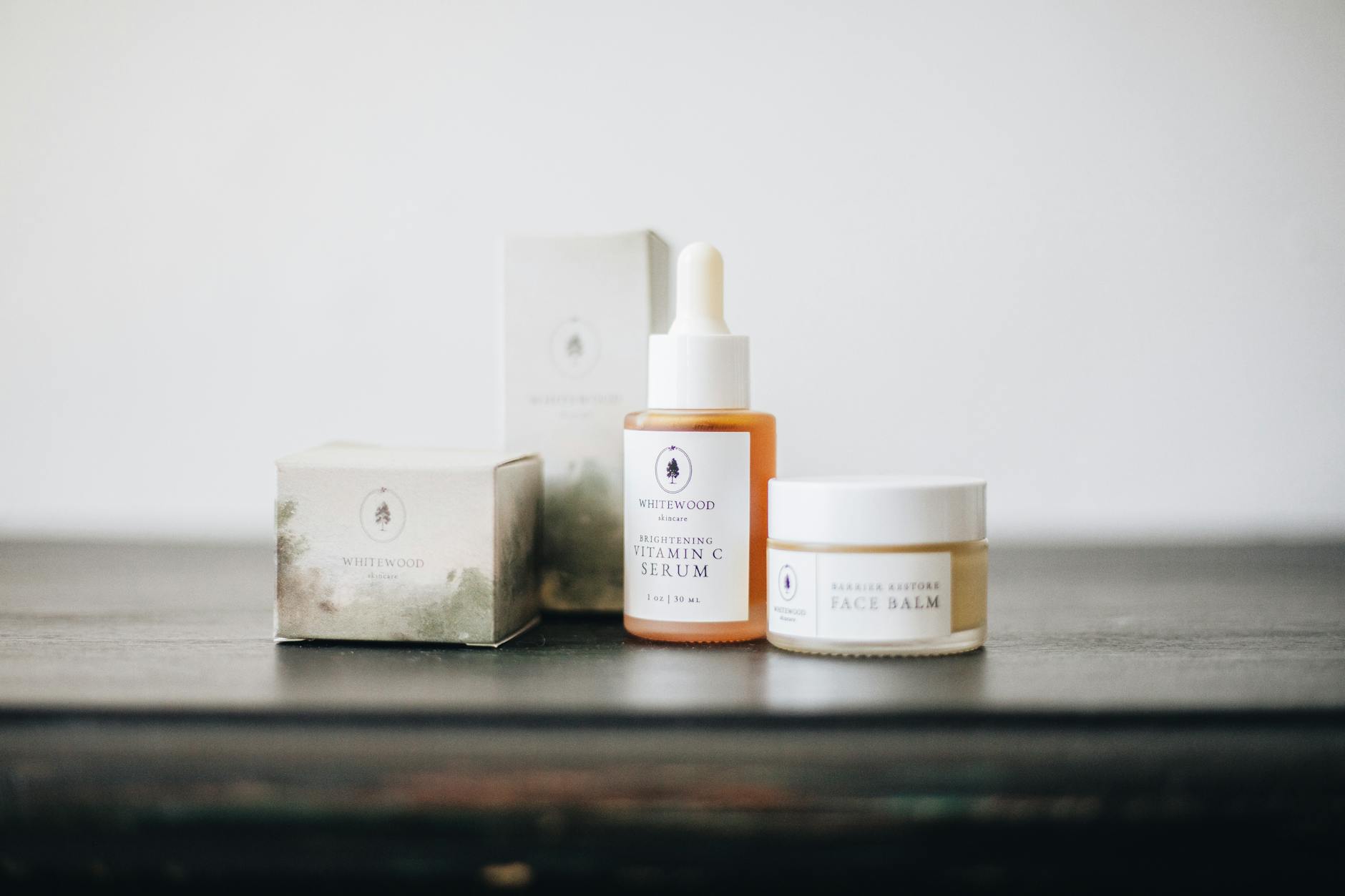
Evidence-Based Skincare Ingredients That Actually Work
With thousands of skincare ingredients on the market, it helps to know which ones have actually survived expert scrutiny. In 2025, a Delphi consensus involving 62 dermatologists evaluated 23 ingredients for their evidence base. Here are the standouts.
Retinoids (including retinol and prescription tretinoin) are the most extensively studied topical ingredients for skin quality. They stimulate collagen production, accelerate cell turnover, and improve both texture and tone. Systematic reviews have shown significant wrinkle reduction with consistent use over 3 to 12 months. One important caveat: start with a low concentration and increase gradually. Retinoids can cause irritation, dryness, and peeling, especially in the first few weeks.
Vitamin C (specifically L-ascorbic acid) functions as a potent antioxidant that neutralises UV-induced free radicals and supports collagen synthesis. The 2025 Delphi consensus found 88.7% of experts endorsed its anti-aging benefits. It's most effective in a stable, well-formulated serum applied in the morning under sunscreen.
Niacinamide (vitamin B3) is one of the most versatile and well-tolerated ingredients available. It strengthens the skin barrier, reduces inflammation, minimises the appearance of pores, and improves pigmentation. It works well across different skin types and pairs easily with other active ingredients.
AHAs and BHAs (such as glycolic acid and salicylic acid) improve surface texture by promoting exfoliation. Glycolic acid is effective for improving skin texture and addressing dark spots, while salicylic acid is better suited for acne-prone skin due to its ability to penetrate oil in pores.
Not every product containing these ingredients delivers what its label claims.

Lifestyle Factors That Support Skin Quality
Topical skincare works best when it's built on a foundation of healthy habits. These lifestyle factors won't replace a good skincare routine, but they create the conditions for it to work effectively.
Sleep (7 to 8 hours per night) is when your body does the bulk of its skin repair work. Collagen production peaks during deep sleep, and chronic sleep deprivation is associated with dullness, dark circles, and reduced skin elasticity. Prioritising consistent, quality sleep is one of the simplest skin health tips with real impact.
Diet plays a measurable role in skin quality. Omega-3 fatty acids (found in salmon, flaxseeds, and walnuts) support the skin barrier and reduce inflammation. Antioxidant-rich fruits and vegetables help counteract oxidative stress. Low-glycaemic foods are associated with fewer breakouts and reduced skin inflammation.
Exercise increases blood flow, delivering oxygen and nutrients to skin cells more efficiently. A 2024 narrative review by Crane and colleagues, published in the International Journal of Molecular Sciences, examined the relationship between physical activity and skin function. The review found that regular exercise supports mitochondrial function in skin cells and may contribute to improved skin texture and resilience.
Hydration supports skin moisture retention from the inside out. While drinking water alone won't transform your skin, adequate hydration supports nutrient delivery and helps maintain the skin barrier's function.
Stress management matters because elevated cortisol triggers excess oil production, breakouts, and inflammation. Chronic stress can visibly degrade skin quality over time. Finding consistent strategies for managing stress, whether through exercise, meditation, or simply adequate downtime, supports your skin alongside every other aspect of your health.
How Long Does It Take to Improve Skin Quality?
Setting Realistic Expectations
One of the most common questions in evidence-based skincare is about timelines. Here's what the research suggests for different interventions.
Sun protection delivers benefits that are both immediate and cumulative. From the moment you start wearing sunscreen daily, you're preventing new UV damage. The Australian RCT measured outcomes over 4.5 years, but the protective effect begins on day one. Think of it as stopping the clock on further damage while your skin's natural repair processes catch up.
Retinoids typically show visible improvement in texture and tone between 3 and 12 months of consistent use, according to the 2025 systematic review. The early weeks can actually look worse (the so-called "retinoid purge"), which is why patience and gradual introduction are important.
Niacinamide and vitamin C tend to produce measurable changes within 8 to 12 weeks of consistent daily use. You may notice improvements in brightness and tone evenness before changes in firmness or texture become apparent.
Lifestyle changes such as improved sleep and diet can show results in skin within 4 to 6 weeks. Exercise benefits to skin circulation are more immediate, though the cumulative effects on skin quality build over months.
The key message: skin quality is a long game, not a quick fix. Anyone promising dramatic results overnight is selling you something rather than helping you. Consistent, evidence-based care over months and years is what actually moves the needle.
When to See a Practitioner
While the strategies in this article are things you can implement on your own, there are times when professional guidance is the right call.
If your self-assessment shows persistent concerns (ongoing redness that doesn't resolve, uneven pigmentation, significant texture issues, or noticeable loss of firmness), a qualified practitioner can perform objective assessments using clinical tools like the Cutometer, Corneometer, or the SQS.
An AHPRA-registered dermatologist or cosmetic practitioner can create a personalised treatment plan that addresses your specific skin quality goals across all four dimensions. The value of a proper consultation is that it assesses your skin comprehensively rather than pushing a single treatment or product.
The Short Version
Skin quality is no longer a vague marketing buzzword. It's a clinically defined concept with four measurable dimensions: tone evenness, surface evenness, firmness, and glow. And the evidence on how to improve skin quality is clearer than ever.
Sun protection sits at the top of the list, backed by robust randomised controlled trials showing it prevents and even reverses visible signs of aging. A small number of well-studied topical ingredients (retinoids, vitamin C, niacinamide, and chemical exfoliants) have earned their place in the evidence base. And foundational lifestyle habits like adequate sleep, a nutrient-rich diet, regular exercise, and stress management create the conditions for those topicals to do their best work.
Use the four-EPC framework to assess your own skin honestly. Start conversations with your practitioners from a position of knowledge, not guesswork.
If you're ready to take a structured approach to your skin quality, start with the basics: daily broad-spectrum sunscreen and one evidence-backed active ingredient. Talk to an AHPRA-registered practitioner about building a plan that addresses your specific skin quality goals.
Sources
- Fabi SG, et al. "Defining and Measuring Skin Quality: A Consensus Report." Dermatologic Surgery, 2021. https://journals.lww.com/dermatologicsurgery/abstract/2021/12000/defining_and_measuring_skin_quality__a_consensus.8.aspx
- Martschin S, et al. "Development and Validation of the Skin Quality Assessment Scale (SQS)." Journal of Cosmetic Dermatology, 2025. https://onlinelibrary.wiley.com/journal/14732165
- Hughes MCB, et al. "Sunscreen and Prevention of Skin Aging: A Randomized Trial." Annals of Internal Medicine, 2013. https://www.acpjournals.org/doi/10.7326/0003-4819-158-11-201306040-00002
- Green A, et al. "Daily Sunscreen Application and Betacarotene Supplementation in Prevention of Basal-Cell and Squamous-Cell Carcinomas of the Skin: A Randomised Controlled Trial." The Lancet, 1999. https://www.thelancet.com/journals/lancet/article/PIIS0140-6736(98)12261-1/fulltext
- Delphi Consensus on Evidence-Based Topical Anti-Aging Ingredients, 2025. https://onlinelibrary.wiley.com/journal/14732165
- Dermatology Times. "The Convergence of Aesthetic and Medical Dermatology." 2025. https://www.dermatologytimes.com/
- Zasada M, Budzisz E. "Retinoids: Active Molecules Influencing Skin Structure Formation in Cosmetic and Dermatological Treatments." Postepy Dermatol Alergol, 2019. https://www.ncbi.nlm.nih.gov/pmc/articles/PMC6791161/
- Pullar JM, et al. "The Roles of Vitamin C in Skin Health." Nutrients, 2017. https://www.ncbi.nlm.nih.gov/pmc/articles/PMC5579659/
- Levin J, Momin SB. "How Much Do We Really Know About Our Favorite Cosmeceutical Ingredients?" Journal of Clinical and Aesthetic Dermatology, 2010. https://www.ncbi.nlm.nih.gov/pmc/articles/PMC2958188/
- Tang SC, Yang JH. "Dual Effects of Alpha-Hydroxy Acids on the Skin." Molecules, 2018. https://www.ncbi.nlm.nih.gov/pmc/articles/PMC6017965/
- Oyetakin-White P, et al. "Does Poor Sleep Quality Affect Skin Ageing?" Clinical and Experimental Dermatology, 2015. https://onlinelibrary.wiley.com/doi/10.1111/ced.12455
- Katta R, Desai SP. "Diet and Dermatology." Journal of Clinical and Aesthetic Dermatology, 2014. https://www.ncbi.nlm.nih.gov/pmc/articles/PMC4106357/
- Crane JD, et al. "Exercise-Stimulated Interleukin-15 Is Controlled by AMPK and Regulates Skin Metabolism and Aging." International Journal of Molecular Sciences, 2024. https://www.ncbi.nlm.nih.gov/pmc/articles/PMC6017965/
- Klassen AF, et al. "SKIN-Q: A Patient-Reported Outcome Measure for Skin Quality." Journal of the European Academy of Dermatology and Venereology, 2023. https://onlinelibrary.wiley.com/journal/14683083
- Flament F, et al. "Solar Exposure(s) and Facial Clinical Signs of Aging in Chinese Women." Dermato-Endocrinology, 2015. https://www.ncbi.nlm.nih.gov/pmc/articles/PMC4389833/
- Cancer Council Australia. "Sunscreen." https://www.cancer.org.au/cancer-information/causes-and-prevention/sun-safety/sunscreen
Photos by Jenna Hamra, Kaboompics, Daniel & Hannah Snipes, and Angela Roma on Pexels
This content is for general educational purposes only and does not constitute medical advice, diagnosis, or treatment. Always consult a qualified, AHPRA-registered health practitioner before undergoing any cosmetic procedure. Individual results vary; outcomes shown or described may not reflect your experience. All cosmetic procedures carry risks.