
Men's Skincare: Three Products, and the Statistic That Should Change Your Routine
Two out of three Australians who die from skin cancer are men, yet only 27% use sunscreen regularly. This guide covers what peer-reviewed research and dermatologists actually recommend as skincare for men.
- skincare
- men
- evidence-based
- sunscreen
- skin health
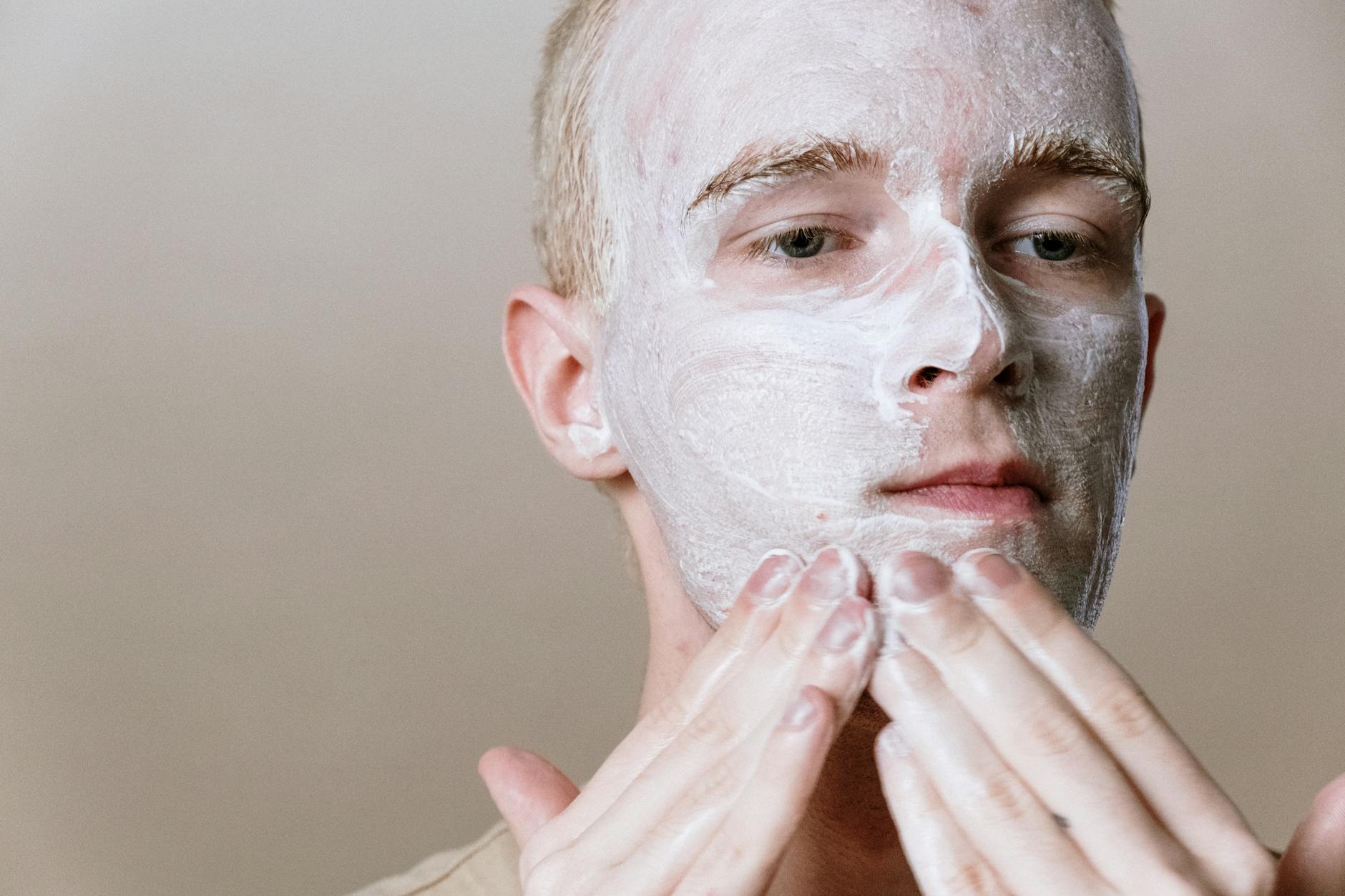
Men's Skincare: Three Products, and the Statistic That Should Change Your Routine
Two out of three Australians who die from skin cancer are men, yet only 27% of Australian men use sunscreen regularly. That single statistic says more about skincare for men than any product launch ever could.
The market is growing fast. Roy Morgan data from 2025 shows 4.9 million Australian men now use skincare products, up 20.7% in five years. Most of the conversation around it is driven by product marketing, not evidence. Walk into any pharmacy and you will find rows of "for him" products making bold claims with minimal science behind them.
Is Men's Skin Really Different from Women's?
This is one of the most common questions about skincare for men, and the answer is more nuanced than most brands suggest.
What the Research Shows About Male Skin
Male and female skin are not identical. A 2018 study published in the International Journal of Dermatology by Rahrovan and colleagues found that men's skin is approximately 20 to 25% thicker than women's, with higher collagen density. Sebum production is roughly double that of women's skin, which explains why men tend to have oilier skin and larger pores.
Androgens play a significant role in male skin biology. Men have higher androgen receptor density, and testosterone is a key driver of collagen synthesis, sebum production, and skin thickness. Men's skin also has higher transepidermal water loss, more microcirculation, and greater pigmentation. As testosterone production declines with age, collagen output gradually decreases too.
These are real, measurable biological differences. But do they mean men need entirely separate products?
Does That Mean Men Need "Men's Products"?
Not according to dermatologists. The Cleveland Clinic puts it simply: "Picking the right skincare products isn't about your sex as much as it's about figuring out your skin type."
Most gendered product lines are marketing-driven. The active ingredients that actually work for skin health are not gender-specific. Niacinamide repairs the skin barrier in men and women alike. Sunscreen blocks UV radiation regardless of who applies it. Retinol stimulates collagen production in all skin.
What matters more than a "for men" label is your skin type (oily, dry, combination, or sensitive), your environment (particularly Australian UV levels), and your consistency. Men don't need "men's skincare." They need effective skincare matched to their skin type.
Do Men Actually Need a Skincare Routine?
Short answer: yes. But it does not need to be complicated.
The Case for a Simple Routine
Dermatologists consistently recommend three core steps: cleanser, moisturiser, and SPF. That is it for a solid foundation. Boston Derm Advocate, a US-based dermatologist-run education platform, recommends men "don't need a 12-step routine; they need four steps done consistently and correctly" (their fourth step being a treatment serum, which we cover in the extras section below).
Consistency beats complexity every time. The key is building habits that are simple enough to stick with long-term. Roy Morgan's 2025 data confirms the trend is growing in Australia, and dermatologists across the board agree that a routine you actually follow matters more than one with more steps.
Why Skin Type Matters More Than Gender
Rather than shopping by gender, shop by skin type. Here is a quick guide:
Oily skin: Lightweight, oil-free products. Gel-based cleansers. Non-comedogenic SPF.
Dry skin: Richer moisturisers with ceramides to support the skin barrier. Cream cleansers. Hydrating SPF formulations.
Sensitive skin: Fragrance-free products across the board. Mineral sunscreens tend to be better tolerated than chemical ones.
Acne-prone skin: Products labelled "non-comedogenic." Salicylic acid cleansers. Oil-free SPF.
A brief note on shaving: proper technique (shave with the grain, use a sharp blade, moisturise after) prevents irritation and ingrown hairs. This is grooming hygiene, not a replacement for a skincare routine.

Skincare for Men: The Essentials You Actually Need
If you do nothing else, these three men's skin care essentials will cover the foundation. Every dermatologist we reviewed recommends the same core steps.
Step 1: A Gentle Cleanser
Your cleanser removes dirt, oil, bacteria, and environmental pollutants without stripping the skin barrier. This is the starting point for any effective men's skincare routine.
Avoid using bar soap on your face. It is typically too alkaline and disrupts your skin's natural pH balance, leading to dryness and irritation. Use lukewarm water, not hot. Hot water strips the skin of protective oils and can worsen redness.
Cleanse morning and evening, and after exercise. For oily skin, look for gel or foam formulas. For dry or sensitive skin, cream-based cleansers are gentler and more hydrating.
Step 2: A Moisturiser
Moisturiser traps water in the skin, supports the skin barrier, and reduces the appearance of fine lines over time. Even if your skin feels oily, skipping moisturiser is a mistake.
When you skip moisturiser on oily skin, your skin can trigger compensatory oil overproduction to make up for the dryness. The result is even oilier skin. A lightweight, oil-free moisturiser actually helps regulate sebum production.
Apply moisturiser to slightly damp skin after cleansing for better absorption. Match the formulation to your skin type: lightweight and oil-free for oily skin, ceramide-based for dry skin, fragrance-free for sensitive skin.
Step 3: Broad-Spectrum SPF 30+ Sunscreen
A 2013 study by Flament and colleagues published in the Journal of the Dermatology Nurses' Association estimated that up to 80% of visible skin ageing comes from sun exposure, not the passage of time. Sunscreen is the single most effective product for preventing premature ageing, and that holds true for every skin type.
In Australia, this is especially critical. Australia has some of the highest skin cancer rates in the world. Australian men have a 1 in 16 risk of melanoma by age 85, according to Cancer Australia. Cancer Council research from 2022 found that only 27% of Australian men regularly use sunscreen.
Cancer Council research also shows that childhood sunscreen use reduces melanoma risk by 40%, based on their analysis of long-term sun protection studies. Starting a sunscreen habit now still makes a significant difference for long-term skin health.
Apply sunscreen every morning as the last step in your routine. Reapply every two hours when you are outdoors. Choose SPF 30+ minimum, broad-spectrum (which blocks both UVA and UVB rays), and water-resistant. UV levels in Australia are among the highest globally, making daily SPF essential year-round, not just in summer.

Should Men Use Sunscreen Every Day? The Australian Evidence
The data on this question is unambiguous. Yes. And in Australia, it is more important than almost anywhere else on earth.
Australia's Skin Cancer Crisis and Why Men Are Most at Risk
The numbers are sobering. Cancer Australia estimated 10,187 new melanoma diagnoses among Australian males in 2025, compared to 7,256 among females. Sixty-six percent of all skin cancer deaths in Australia are men. Five-year melanoma survival rates sit at 92.4% for men versus 95.4% for women.
Beyond melanoma, 73% of Australian males will develop at least one non-melanoma skin cancer in their lifetime, according to the Australian Skin Cancer Foundation. Cancer Council Australia has called men's low sun protection rates a "concerning" public health issue.
These are not scare tactics. They are published statistics from Australia's peak cancer research bodies. The gap between men and women in sun protection behaviour is real, and it has measurable consequences.
Why Many Men Skip Sunscreen (and Why They Shouldn't)
Common barriers include perceived inconvenience, dislike of greasy formulations, and the belief that "it's not that sunny today." None of these hold up under scrutiny.
UV rays penetrate cloud cover. UVA rays, which are primarily responsible for skin ageing, are present year-round at relatively consistent levels. A cloudy winter day in Sydney still delivers UV exposure that damages skin over time.
Modern sunscreen formulations have come a long way. Many are lightweight, non-greasy, and designed for daily wear under clothing or on their own. The "greasy sunscreen" excuse is outdated.
The straightforward action: make SPF part of your morning routine, as automatic as brushing your teeth. Apply it after moisturiser, before you leave the house. That single habit does more for your skin than any expensive serum or treatment.
The Extras That Earn Their Spot
Once you have the three essentials locked in, there are a few evidence-backed additions worth considering. None of these are essential, but all have solid research behind them.
Retinol: What the Evidence Says
Retinoids are the most studied anti-ageing topical ingredient in dermatology. They stimulate collagen production and reduce fine lines, uneven texture, and hyperpigmentation.
A 2025 network meta-analysis of 23 randomised controlled trials found that tretinoin and retinol significantly improved wrinkles and hyperpigmentation across study participants. A 2023 review published in PMC confirmed that retinol's anti-ageing properties are well-supported by clinical evidence.
The timeline for results is measured in months, not days. Expect 3 to 6 months for visible improvement and 6 to 12 months for best results. Common side effects include mild skin irritation (dryness, flaking, redness), which is manageable by starting with a low concentration and building up gradually. Retinol is not suitable for everyone; people who are pregnant or breastfeeding should avoid retinoids, and those with certain skin conditions like rosacea should consult a practitioner before starting.
Start at 0.25 to 0.3% concentration. Use it at night, as retinol breaks down in sunlight. Always pair nighttime retinol use with daytime SPF. The research does not show gender-specific differences in retinol efficacy; it works the same for men's skin as for women's.
Niacinamide and Vitamin C: Worth Adding?
Niacinamide (vitamin B3) strengthens the skin barrier, reduces sebum production at 2 to 5% concentration, and calms redness. A 2024 review in PMC confirmed its therapeutic and cosmeceutical benefits across multiple clinical studies. For men with oily or acne-prone skin, niacinamide is a particularly practical addition.
Vitamin C is an antioxidant that protects against UV and pollution damage, brightens skin tone, and supports collagen synthesis. It works best when applied in the morning under SPF, where it provides an additional layer of environmental protection.
Both are effective additions to a skincare routine for men, but neither is essential. The three core steps (cleanser, moisturiser, SPF) deliver the vast majority of the benefit. Think of niacinamide and vitamin C as upgrades, not requirements.
Exfoliation: How Often Should Men Exfoliate?
Exfoliation removes dead skin cells, smooths skin texture, and helps prevent ingrown hairs from shaving. For men who shave regularly, this can be especially helpful.
Stick to 1 to 2 times per week with a chemical exfoliant such as glycolic acid, salicylic acid, or polyhydroxy acids (PHAs). Chemical exfoliants dissolve the bonds between dead skin cells, which is gentler and more even than physical scrubs.
Over-exfoliation damages the skin barrier. More is not better. If your skin feels tight, raw, or stings when you apply other products, you are exfoliating too often or too aggressively. For sensitive skin, PHAs are the gentlest option and a good starting point.
Men's Skincare in Australia: Cutting Through the Marketing
The Australian men's skincare market is booming, but bigger doesn't always mean better informed.
The "Men's Skincare" Label Is Mostly Marketing
Expert Market Research values the Australian men's grooming market at AUD 842 million and growing. Brands have a clear financial incentive to sell gendered products, and they lean into masculine branding, darker packaging, and "tough guy" messaging.
The reality is that most "for men" products contain the same active ingredients as their unisex or women's counterparts, often in simpler formulations with added fragrance. You are frequently paying for packaging and branding, not better ingredients.
What to look for instead of gendered branding: effective active ingredients (SPF, niacinamide, retinol, ceramides), appropriate formulation for your skin type, and products free of unnecessary fragrances or irritants. Price does not equal quality. Affordable products with the right actives outperform expensive ones without them.
What to Ask Your Practitioner
If you have persistent skin concerns like acne, rosacea, unusual moles, or suspicious spots, consult a qualified AHPRA-registered practitioner. These issues go beyond what over-the-counter skincare can address, and early assessment matters.
For those considering cosmetic treatments, a qualified practitioner can assess your skin and recommend a routine that complements any procedures. Skincare is the foundation. Treatments are the addition, not the replacement.
A good practitioner will give you personalised, evidence-based advice rather than pushing products. If a clinic is more interested in selling you things than assessing your skin, that is a red flag.
The Whole Routine, in Under Five Minutes
Here is everything above condensed into a practical, daily men's skincare routine. This takes less than five minutes a day.
Morning Routine (3 Steps, 2 Minutes)
- Cleanse with a gentle facial cleanser and lukewarm water.
- Moisturise while your skin is still slightly damp.
- Apply broad-spectrum SPF 30+ sunscreen as the last step before you head out.
Evening Routine (2 to 3 Steps, 2 Minutes)
- Cleanse to remove the day's dirt, oil, and sunscreen.
- Apply retinol (optional, 2 to 3 nights per week if you are using it).
- Moisturise to lock in hydration overnight.
Weekly Addition
Exfoliate 1 to 2 times per week with a chemical exfoliant. Skip the harsh physical scrubs.
Key Principles
- Consistency over complexity. A simple routine you actually do beats an elaborate one you abandon.
- Skin type over gender labels. Buy for your skin, not your gender.
- SPF is non-negotiable, especially in Australia.
- Give new products 4 to 6 weeks before judging results. Skin turnover takes time.
The Short Version
Men's skin has real biological differences: it is thicker, oilier, and carries more collagen. The routine is surprisingly simple and universal. Cleanser. Moisturiser matched to your skin type. Broad-spectrum SPF 30+ every morning.
The biggest gap in men's skincare in Australia is not products. It is sunscreen. With 73% of Australian men facing non-melanoma skin cancer in their lifetime, daily SPF is the single most impactful change most men can make.
Start with the three essentials. Build from there only if you want to.
Sources
- Male versus female skin: What dermatologists and cosmeticians should know (Rahrovan et al., 2018) - https://pmc.ncbi.nlm.nih.gov/articles/PMC6116811/
- Cancer Council Australia: Men less likely to use sun protection (2022) - https://www.cancer.org.au/media-releases/2022/australian-men-urged-to-reduce-their-risk-of-skin-cancer-with-new-research-showing-they-are-less-likely-than-women-to-use-sun-protection
- Melanoma of the skin statistics (Cancer Australia, 2025) - https://www.canceraustralia.gov.au/cancer-types/melanoma-skin/melanoma-skin-statistics
- Roy Morgan: More men using skincare, up over 20% (September 2025) - https://www.roymorgan.com/findings/10011-more-men-are-using-skincare-september-2025
- Skin care tips for men (American Academy of Dermatology) - https://www.aad.org/public/everyday-care/skin-care-basics/care/skin-care-for-men
- Skin Care for Men: What You Need To Know (Cleveland Clinic) - https://health.clevelandclinic.org/skin-care-for-men
- Boston Derm Advocate: Dermatologist Guide to Skincare Routine for Men - https://www.bostondermadvocate.com/science-of-skincare/skincare-routine-men
- Human Skin Aging and the Anti-Aging Properties of Retinol (PMC, 2023) - https://pmc.ncbi.nlm.nih.gov/articles/PMC10669284/
- Australian Skin Cancer Foundation: Skin Cancer Statistics - https://www.australianskincancerfoundation.org/skin-cancer-australia-statistics
- Cancer Council: Sunscreen research and facts - https://www.cancer.org.au/cancer-information/causes-and-prevention/sun-safety/sunscreen/latest-research
- Australia Men's Grooming Products Market (Expert Market Research) - https://www.expertmarketresearch.com.au/reports/australia-mens-grooming-products-market
- Niacinamide: Therapeutic and Cosmeceutical Applications (PMC, 2024) - https://pmc.ncbi.nlm.nih.gov/articles/PMC11047333/
- Retinoids in the treatment of skin aging: clinical efficacy and safety (PMC) - https://pmc.ncbi.nlm.nih.gov/articles/PMC2699641/
- Cancer Council: Almost half of Australians not using adequate sun protection (2024) - https://www.cancer.org.au/media-releases/2024/concerning-new-data-shows-almost-half-of-australians-aren-t-using-adequate-sun-protection
- Do Men Actually Need Different Skincare? Science vs. Marketing (Blush Bunny Organics) - https://blushbunnyorganics.com/skincare-facts-myths/do-men-actually-need-different-skincare-science-vs-marketing/
- Perceived Age and Life Style. The Specific Contribution of Seven Factors Involved in Health and Beauty (Flament et al., 2013) - https://journals.lww.com/jdna/abstract/2013/01000/perceived_age_and_life_style__the_specific.8.aspx
This content is for general educational purposes only and does not constitute medical advice, diagnosis, or treatment. Always consult a qualified, AHPRA-registered health practitioner before undergoing any cosmetic procedure. Individual results vary; outcomes shown or described may not reflect your experience. All cosmetic procedures carry risks.
Photos by cottonbro studio, Anna Tarazevich, RDNE Stock project, and Misolo Cosmetic on Pexels